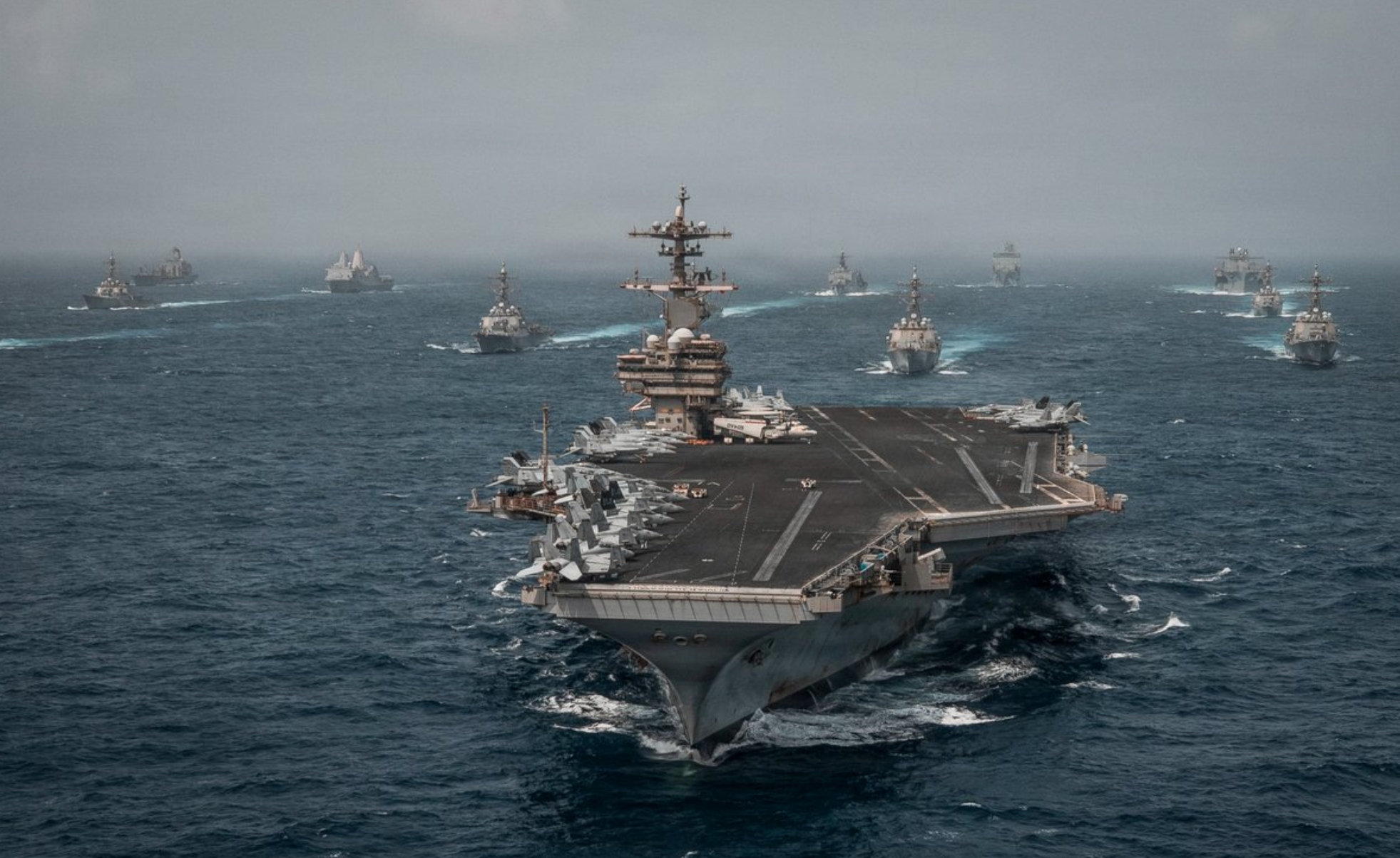
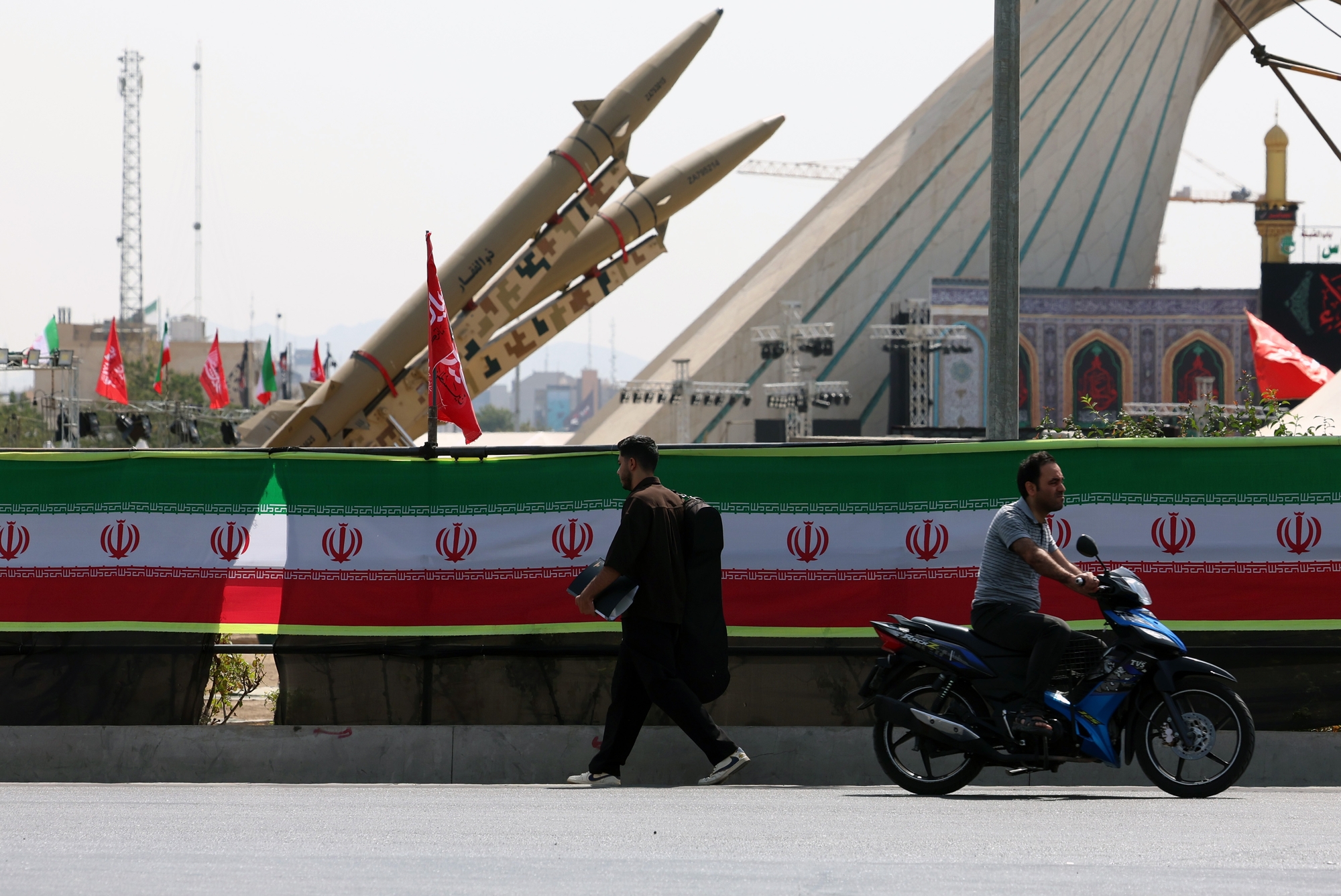
Iran is preparing to significantly bolster its air defense capabilities with a major acquisition of portable anti-aircraft systems from China, according to a recent report by Reuters. The deal, which includes approximately 400 Man-Portable Air Defense Systems (MANPADS), represents a substantial enhancement to Tehran’s defensive posture as tensions with the United States continue to simmer. This arms transfer marks a notable deepening of military cooperation between Beijing and Tehran at a particularly sensitive geopolitical moment.
The reported delivery, expected to arrive within weeks, comes against a backdrop of heightened regional instability and ongoing concerns about potential military confrontation between Iran and the United States. MANPADS are shoulder-launched surface-to-air missiles designed to engage low-flying aircraft, helicopters, and potentially cruise missiles, making them a versatile addition to any nation’s defensive arsenal. For Iran, which has faced decades of international arms embargoes and sanctions, acquiring modern Chinese air defense technology represents both a strategic upgrade and a diplomatic statement.
Strategic Implications of the Arms Deal
The transfer of 400 MANPADS to Iran carries significant strategic implications for the broader Middle East region. These portable systems are particularly effective against low-altitude threats and can be rapidly deployed by infantry units, giving Iran greater flexibility in protecting critical infrastructure, military installations, and population centers. Military analysts note that MANPADS are difficult to counter due to their mobility and the challenge of detecting launch positions before missiles are fired.
China has emerged as an increasingly important defense partner for Iran, especially following the expiration of the United Nations arms embargo on Tehran in October 2020. That embargo, which had been in place since 2007 as part of international efforts to curb Iran’s nuclear program, prevented most conventional weapons transfers to the Islamic Republic. With its lifting, Iran has actively sought to modernize its military equipment, much of which dates back to pre-revolutionary American systems or aging Soviet-era hardware acquired during the Iran-Iraq War of the 1980s.
Historical Context of Iran’s Air Defense Challenges
Iran’s pursuit of advanced air defense systems reflects decades of vulnerability in this domain. During the Iran-Iraq War from 1980 to 1988, Iranian forces struggled against Iraqi air superiority, a painful lesson that shaped Tehran’s subsequent military doctrine. The situation was further complicated by the 1988 incident when the USS Vincennes accidentally shot down Iran Air Flight 655, killing all 290 passengers and crew aboard. This tragedy reinforced Iranian perceptions of aerial vulnerability and the need for robust defensive capabilities.
More recently, the January 2020 U.S. drone strike that killed General Qasem Soleimani near Baghdad International Airport demonstrated the reach and precision of American air power in the region. Iran responded with ballistic missile attacks on U.S. bases in Iraq, but the episode underscored the asymmetric nature of the military balance. The acquisition of modern MANPADS, while not changing the fundamental equation, provides Iran with additional tools to complicate potential American or allied air operations in or near Iranian territory.
China’s Growing Role in Middle Eastern Defense Markets
Beijing’s willingness to supply Iran with sophisticated military hardware reflects China’s expanding influence in Middle Eastern affairs and its broader challenge to the Western-dominated international order. China has cultivated strong economic ties with Iran through oil purchases and infrastructure investments, and military cooperation represents a natural extension of this relationship. For China, arms sales serve multiple purposes: generating revenue, building strategic partnerships, and demonstrating that alternatives exist to American-dominated security arrangements.
The timing of this delivery also coincides with ongoing negotiations and diplomatic maneuvering over Iran’s nuclear program. While the 2015 Joint Comprehensive Plan of Action (JCPOA) remains technically in existence, both Iran and the United States have stepped back from its terms since the Trump administration’s withdrawal in 2018. The Biden administration has expressed interest in returning to the agreement, but talks have stalled repeatedly. Against this diplomatic backdrop, Iran’s military modernization efforts signal that Tehran is preparing for multiple scenarios, including prolonged confrontation with Washington.
Expert Opinion: This arms transfer represents a significant shift in regional power dynamics, as China demonstrates its willingness to directly challenge Western efforts to isolate Iran militarily. While 400 MANPADS alone cannot fundamentally alter the strategic balance with the United States, they substantially complicate any potential air campaign and signal that Iran will not face such threats without international support. Expect this deal to accelerate broader Sino-Iranian military cooperation and prompt renewed discussions in Washington about countering Chinese influence in the Middle East.