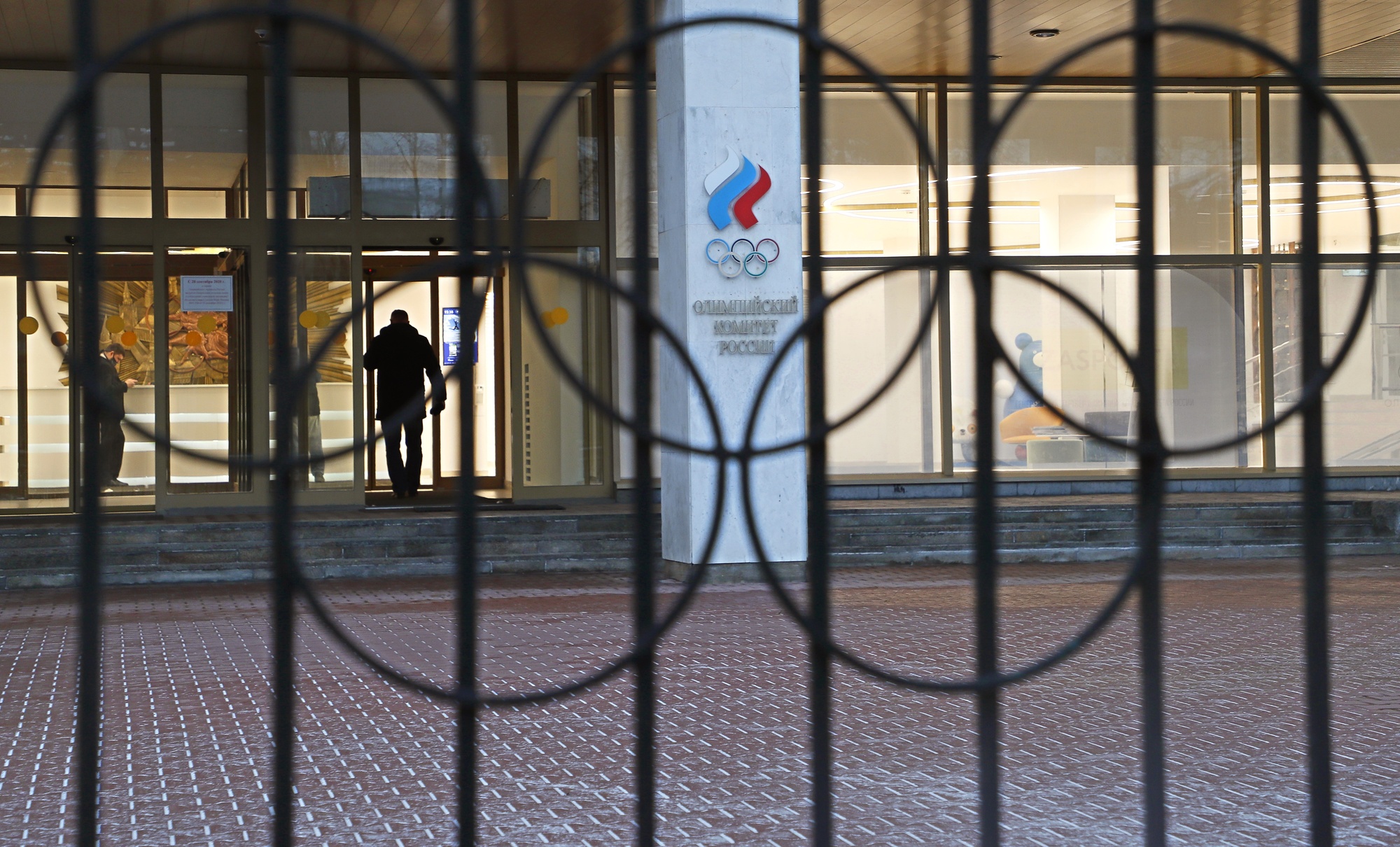
Ukraine has filed an appeal with the Court of Arbitration for Sport (CAS) seeking to overturn the International Olympic Committee’s controversial decision to reinstate the Russian Olympic Committee’s membership rights. This legal challenge represents a significant escalation in the ongoing dispute over Russia’s participation in international sports following its full-scale invasion of Ukraine in February 2022. The Ukrainian Olympic Committee argues that the IOC’s decision undermines the principles of fair play and international solidarity that form the foundation of the Olympic movement.
Background of the IOC’s Decision and International Response
The International Olympic Committee’s decision to restore the Russian Olympic Committee’s rights came after nearly three years of suspension that followed Russia’s military aggression against Ukraine. The original suspension was implemented as part of broader international sanctions aimed at isolating Russia from the global community. However, the IOC has faced criticism from multiple quarters for what many perceive as a premature and politically motivated reversal. The reinstatement allows Russian athletes to potentially compete under their national flag at future Olympic Games, a prospect that has drawn sharp condemnation from Ukraine and several Western nations.
The situation surrounding Russian athletes in international competitions has been contentious since the beginning of the conflict. While some sports federations have maintained strict bans on Russian participation, others have allowed athletes to compete under neutral status without national symbols or anthems. The IOC’s latest decision appears to go further by fully restoring organizational rights, which could pave the way for complete Russian participation in upcoming Olympic events. This inconsistency in approach across different sporting bodies has created confusion and frustration among athletes and officials from countries affected by Russian aggression.
Ukraine’s Legal Strategy and Arguments
Ukraine’s appeal to the Court of Arbitration for Sport is based on several key arguments. First, Ukrainian officials contend that the IOC violated its own charter, which emphasizes the promotion of peace and the rejection of discrimination and violence. They argue that reinstating the rights of a national Olympic committee whose country is actively engaged in military aggression contradicts these fundamental principles. Second, the appeal highlights the ongoing suffering of Ukrainian athletes, many of whom have been killed, injured, or displaced by the war. Over 450 Ukrainian sports facilities have been damaged or destroyed since the invasion began, and numerous athletes have traded their sporting careers for military service.
The Ukrainian Olympic Committee has gathered extensive documentation to support its case, including testimonies from athletes who have witnessed firsthand the devastation caused by Russian military operations. Legal experts suggest that while CAS decisions typically favor the autonomy of sports governing bodies, the unprecedented nature of this case could lead to a different outcome. The court has previously dealt with doping-related sanctions against Russia but has never addressed a situation involving active military conflict between member nations. This legal challenge could set important precedents for how international sports organizations respond to geopolitical crises in the future.
Broader Implications for International Sports
The outcome of this appeal could have far-reaching consequences for the relationship between sports and politics on the global stage. If Ukraine succeeds, it could embolden other nations to challenge IOC decisions they view as unjust and could lead to a fundamental reassessment of how the Olympic movement addresses human rights violations and military aggression. Conversely, if the appeal fails, it may signal that the IOC prioritizes maintaining broad participation over enforcing ethical standards, potentially weakening the organization’s moral authority.
International sports analysts note that this dispute reflects deeper tensions within the Olympic movement about its role in global affairs. The traditional stance of political neutrality has become increasingly difficult to maintain in an era of heightened geopolitical conflict. Many argue that the IOC cannot claim to promote peace while welcoming nations actively engaged in warfare. As the 2028 Los Angeles Olympics approach, the resolution of this dispute will likely shape the political landscape of international sports for years to come, potentially redefining what it means to uphold Olympic values in the modern world.
Expert Opinion: This case represents a watershed moment for international sports governance. The CAS ruling will likely establish crucial precedents regarding the limits of IOC autonomy when member nations violate fundamental principles of peace and human dignity. Regardless of the outcome, the sports world must develop clearer frameworks for addressing situations where athletic competition intersects with active military conflict, as the current ad-hoc approach satisfies neither ethical standards nor practical considerations.