
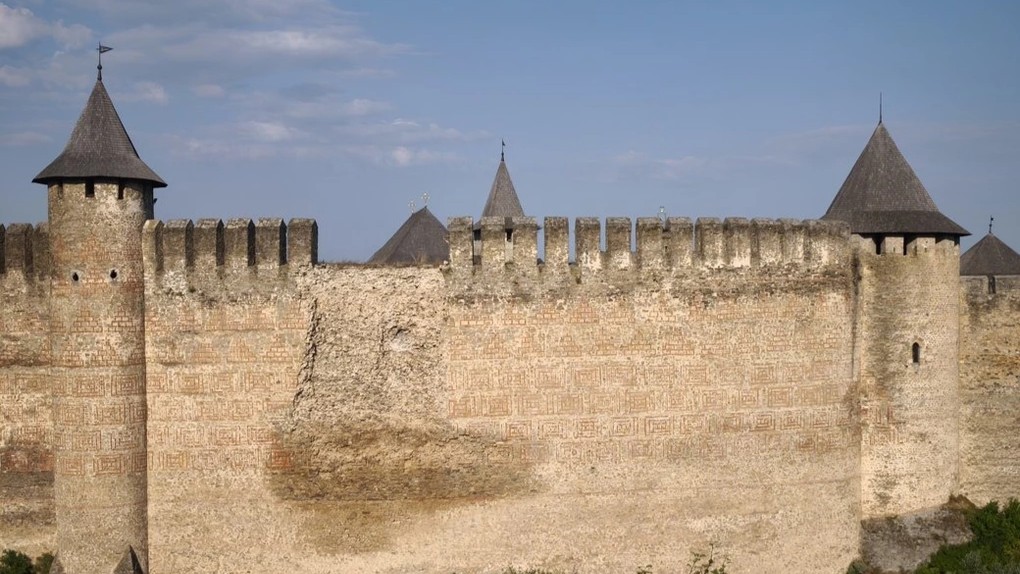
A significant structural collapse has occurred at the historic Khotyn Fortress in western Ukraine, with the upper portion of one of the fortress walls giving way. The incident has raised serious concerns about the preservation of this medieval architectural treasure, which has stood for centuries as a testament to the region’s turbulent history. Ukrainian authorities have confirmed that project documentation is currently being developed for the entire damaged section of the fortress, signaling a comprehensive approach to addressing the structural issues that led to this unfortunate event.
The collapse represents a major setback for preservation efforts at one of Ukraine’s most iconic historical monuments. Khotyn Fortress, located in the Chernivtsi Oblast along the banks of the Dniester River, attracts thousands of tourists annually and serves as an important symbol of Ukrainian cultural heritage. Officials are now scrambling to assess the full extent of the damage and prevent further deterioration of the ancient structure.
Historical Significance of Khotyn Fortress
Khotyn Fortress boasts a rich and complex history spanning over a millennium. The first fortifications on this strategic site date back to the 10th century, with the stone fortress as it exists today largely constructed during the 13th-15th centuries. The fortress has witnessed numerous military conflicts and changed hands multiple times throughout its existence, having been controlled by Moldavian princes, the Ottoman Empire, the Polish-Lithuanian Commonwealth, and the Russian Empire at various points in history.
The fortress gained particular fame for the Battle of Khotyn in 1621, when Polish-Lithuanian forces successfully defended the stronghold against a massive Ottoman army. This battle became the subject of numerous literary works and is considered one of the most significant military engagements in Eastern European history. The fortress’s massive walls, some reaching up to 40 meters in height, were specifically designed to withstand prolonged sieges and artillery bombardment, making the recent collapse all the more concerning for historians and preservation experts.
Causes Behind the Structural Failure
While official investigations are ongoing, experts point to several potential factors that may have contributed to the wall’s collapse. Years of exposure to harsh weather conditions, including freeze-thaw cycles, heavy rainfall, and temperature fluctuations, have gradually weakened the medieval stonework. The fortress has faced chronic underfunding for maintenance and restoration work, a problem that has plagued many historical monuments across Ukraine, particularly since the country’s independence in 1991.
Additionally, the ongoing conflict in Ukraine has diverted resources and attention away from cultural preservation projects. Some specialists suggest that insufficient drainage systems around the fortress may have allowed water infiltration into the stone structure, accelerating the deterioration process. The development of comprehensive project documentation, as announced by authorities, indicates recognition that piecemeal repairs are no longer sufficient and that a systematic approach to the fortress’s preservation is urgently needed.
Restoration Efforts and Future Outlook
Ukrainian cultural authorities face a significant challenge in restoring the damaged portion of Khotyn Fortress while maintaining the structure’s historical authenticity. Modern restoration techniques must be carefully balanced against the need to preserve original construction methods and materials wherever possible. International organizations, including UNESCO, have previously expressed interest in the fortress’s preservation, and the current crisis may prompt renewed calls for international cooperation and funding.
The incident serves as a stark reminder of the fragility of cultural heritage sites and the constant vigilance required to maintain them for future generations. As project documentation moves forward, officials have emphasized that public safety remains a priority, with affected areas of the fortress likely to remain closed to visitors until structural stability can be guaranteed. The restoration process is expected to be lengthy and costly, but authorities have expressed commitment to preserving this irreplaceable piece of Ukrainian and European history.
Expert Opinion: The collapse at Khotyn Fortress underscores a broader crisis facing medieval fortifications across Eastern Europe, where decades of deferred maintenance are now manifesting as structural failures. Without immediate international intervention and sustained funding commitments, we may witness similar incidents at other historically significant sites in the region. This event should serve as a wake-up call for governments and heritage organizations to prioritize preventive conservation over reactive restoration.