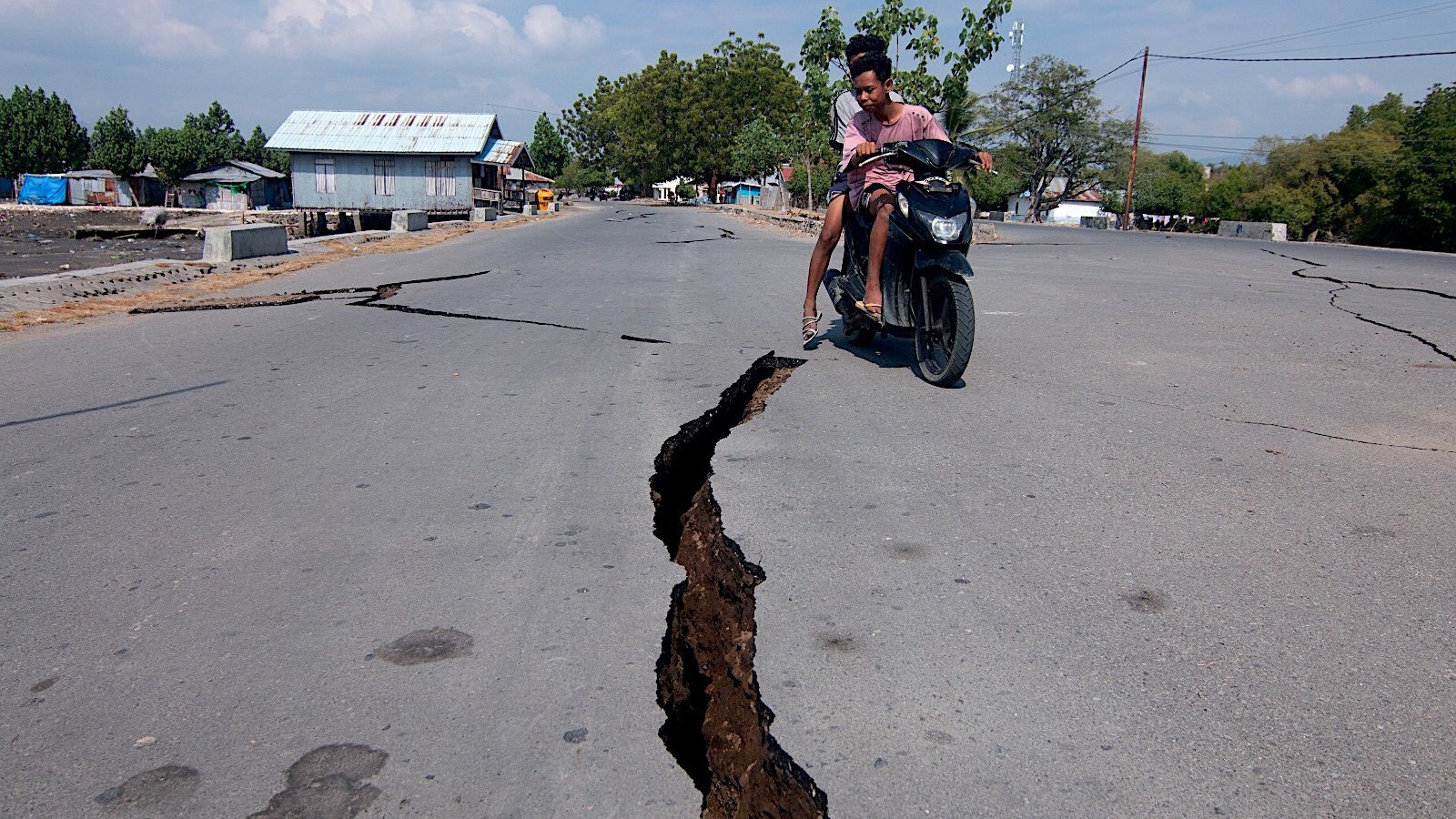
A devastating earthquake measuring 7.7 on the Richter scale has struck Indonesia, claiming the lives of dozens of people and causing widespread destruction across the affected regions. The powerful seismic event sent shockwaves through communities, triggering emergency response operations and raising concerns about potential aftershocks in the densely populated archipelago nation.
Indonesia, located along the Pacific Ring of Fire, experiences frequent seismic activity due to its position at the convergence of several major tectonic plates. The country sits where the Indo-Australian, Eurasian, and Pacific plates meet, making it one of the most earthquake-prone nations on Earth. This geological reality means that millions of Indonesians live under constant threat of earthquakes, volcanic eruptions, and tsunamis.
Immediate Impact and Rescue Operations
Emergency response teams were immediately deployed to the affected areas as reports of casualties and structural damage began flooding in. Local authorities confirmed that dozens of people lost their lives, with many more injured and potentially trapped under collapsed structures. Hospitals in the region have been placed on high alert, with medical personnel working around the clock to treat the wounded. Search and rescue operations are ongoing, with teams using specialized equipment to locate survivors beneath the rubble of damaged buildings.
The earthquake’s significant magnitude caused buildings to sway violently, with older structures and those not built to modern seismic standards suffering the most damage. Residents described scenes of panic as the ground shook intensely, forcing people to flee their homes and seek open ground. Power outages have been reported in several areas, complicating rescue efforts as teams work through the night to reach those in need.
Historical Context of Indonesian Earthquakes
Indonesia has a tragic history with devastating earthquakes. The 2004 Indian Ocean earthquake and tsunami, which originated off the coast of Sumatra, remains one of the deadliest natural disasters in recorded history, killing approximately 230,000 people across multiple countries. More recently, the 2018 Sulawesi earthquake and tsunami claimed over 4,000 lives and displaced hundreds of thousands. These catastrophic events have prompted Indonesia to invest heavily in early warning systems and disaster preparedness infrastructure, though challenges remain in protecting vulnerable communities across the vast archipelago of over 17,000 islands.
Seismologists have been monitoring the region closely, warning that significant earthquakes in this zone can trigger dangerous secondary effects, including landslides in mountainous areas and potential tsunami waves along coastal regions. Authorities issued precautionary alerts to coastal communities, urging residents to move to higher ground as a safety measure while assessments continued.
International Response and Recovery Efforts
The international community has expressed solidarity with Indonesia following the disaster. Neighboring countries and international humanitarian organizations have offered assistance, with some nations preparing to deploy disaster relief teams and emergency supplies. The Indonesian government has activated its national disaster response protocols, coordinating efforts between military, police, and civilian emergency services to ensure efficient delivery of aid to affected populations.
Recovery from such disasters typically takes months or even years, requiring substantial resources for rebuilding infrastructure, providing temporary housing for displaced families, and addressing the psychological trauma experienced by survivors. Indonesia’s National Disaster Mitigation Agency continues to assess the full extent of the damage while working to prevent further casualties from potential aftershocks that commonly follow major seismic events.
Expert Opinion: Given Indonesia’s position along multiple active fault lines, seismologists anticipate continued seismic activity in the region in the coming weeks. This earthquake serves as a critical reminder of the urgent need for continued investment in earthquake-resistant construction standards and early warning infrastructure throughout Southeast Asia. International cooperation in disaster preparedness will be essential as climate change and geological factors continue to pose significant risks to vulnerable populations in the Pacific Ring of Fire.