
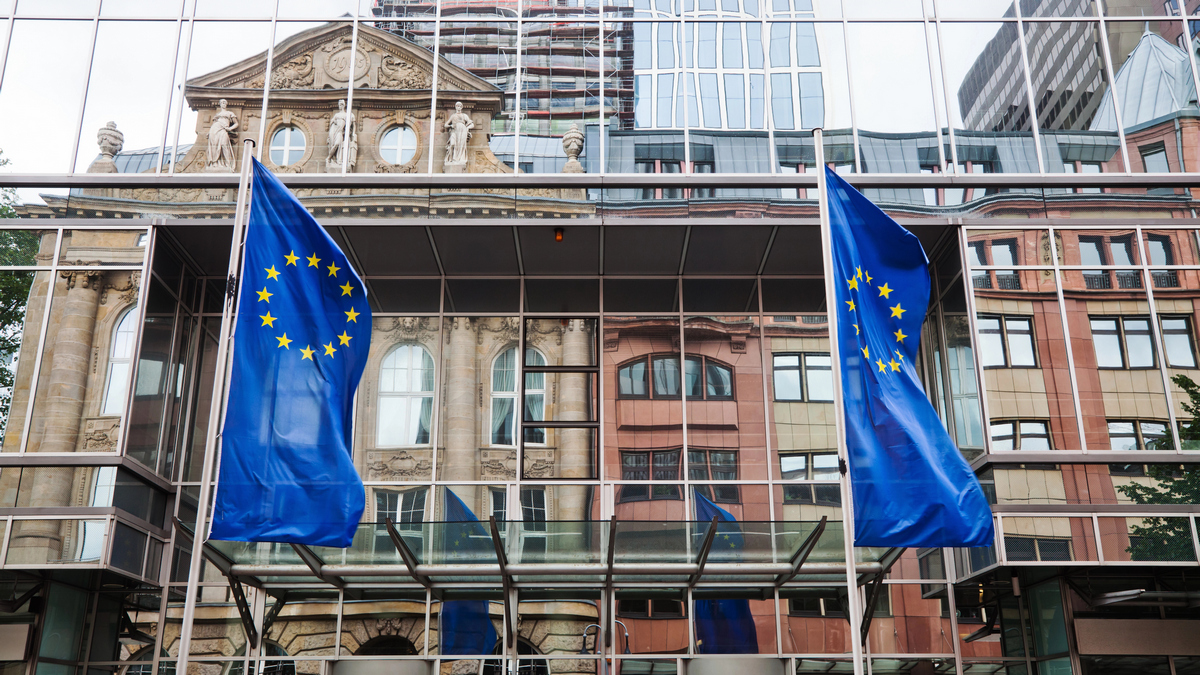
The Ukrainian Ministry of Foreign Affairs has addressed growing concerns about an emerging pattern in several European Union member states, where officials processing temporary protection applications have begun requesting access to the ‘Reserve+’ military registration application from Ukrainian women. This development has sparked confusion and raised questions about the scope of documentation requirements for Ukrainian refugees seeking protection status in Europe, particularly as the conflict with Russia continues into its third year.
According to the Foreign Ministry’s statement, the European Union has not yet issued official clarifications regarding the updated rules for temporary protection. This regulatory gap has led to inconsistent implementation across different member states, with some countries apparently interpreting existing guidelines more broadly than others. The Reserve+ application, originally designed as a digital military registration system for Ukrainian citizens, has become an unexpected focal point in these protection proceedings.
Understanding the Reserve+ Application and Its Purpose
The Reserve+ application was launched by the Ukrainian government as part of its digital transformation efforts and military mobilization framework. Initially created to streamline the registration process for military-age men, the app serves as a digital military registration document and allows users to update their personal information with territorial recruitment centers remotely. The application became particularly significant following Ukraine’s general mobilization orders issued after Russia’s full-scale invasion in February 2022.
While the app was primarily designed for men of conscription age, Ukrainian women can also register through the platform, particularly those with military training, medical backgrounds, or other specialties relevant to defense needs. The fact that some EU countries are now requesting this app from women applicants has raised eyebrows among refugee advocates and legal experts who question the relevance and appropriateness of such requests during protection proceedings.
EU Temporary Protection Framework Under Scrutiny
The EU’s Temporary Protection Directive, activated for the first time in March 2022 specifically for Ukrainian refugees, was designed to provide immediate protection without requiring individuals to go through lengthy asylum procedures. Under this framework, Ukrainians are entitled to residence permits, access to employment, housing, social welfare, and medical care across EU member states. The directive was initially set to remain in effect until March 2024 but has since been extended as the conflict shows no signs of resolution.
However, the implementation of these protections has varied significantly across the 27 member states. Some countries have been more welcoming and streamlined in their processes, while others have introduced additional documentation requirements that were not explicitly outlined in the original directive. The request for Reserve+ access appears to fall into this latter category, representing what some observers describe as bureaucratic overreach in the absence of clear EU-wide guidance.
Diplomatic Response and Ongoing Negotiations
The Ukrainian Foreign Ministry has indicated that it is actively engaging with EU authorities to obtain formal clarifications on the updated temporary protection procedures. Officials have emphasized that until such clarifications are received, the inconsistent application of rules across different countries creates unnecessary confusion and potential hardship for Ukrainian citizens seeking refuge. The ministry has encouraged affected individuals to contact Ukrainian diplomatic missions in their respective host countries for assistance with any documentation issues they encounter.
Refugee rights organizations have also weighed in on the matter, expressing concern that excessive documentation requirements could create barriers to protection for vulnerable populations. Legal experts note that the temporary protection directive was specifically designed to be a simplified, expedited process, and that additional hurdles contradict the spirit of the regulation. As winter approaches and the humanitarian situation in Ukraine remains dire, ensuring smooth access to protection for those who need it has taken on renewed urgency across the European continent.
Expert Opinion: The inconsistent application of temporary protection rules across EU member states highlights a fundamental challenge in European refugee policy: the gap between unified directives and national implementation. Until the European Commission issues binding clarifications, we can expect continued variation in how different countries process Ukrainian protection applications. This situation underscores the need for stronger EU-level coordination mechanisms, particularly for large-scale displacement crises that require uniform, predictable responses across all member states.