Ukraine’s Ministry of Foreign Affairs has officially confirmed that two Ukrainian nationals were wounded following a significant military incident in one of the world’s most strategically important waterways. Iranian forces launched a missile strike targeting oil tankers transiting the Strait of Hormuz, resulting in casualties among international crew members. According to reports from the United Arab Emirates, the attack claimed the life of one Indian crew member while injuring six other Indian nationals and two Ukrainians. The incident has immediately raised concerns about the safety of international shipping in the region and the potential for broader geopolitical escalation.
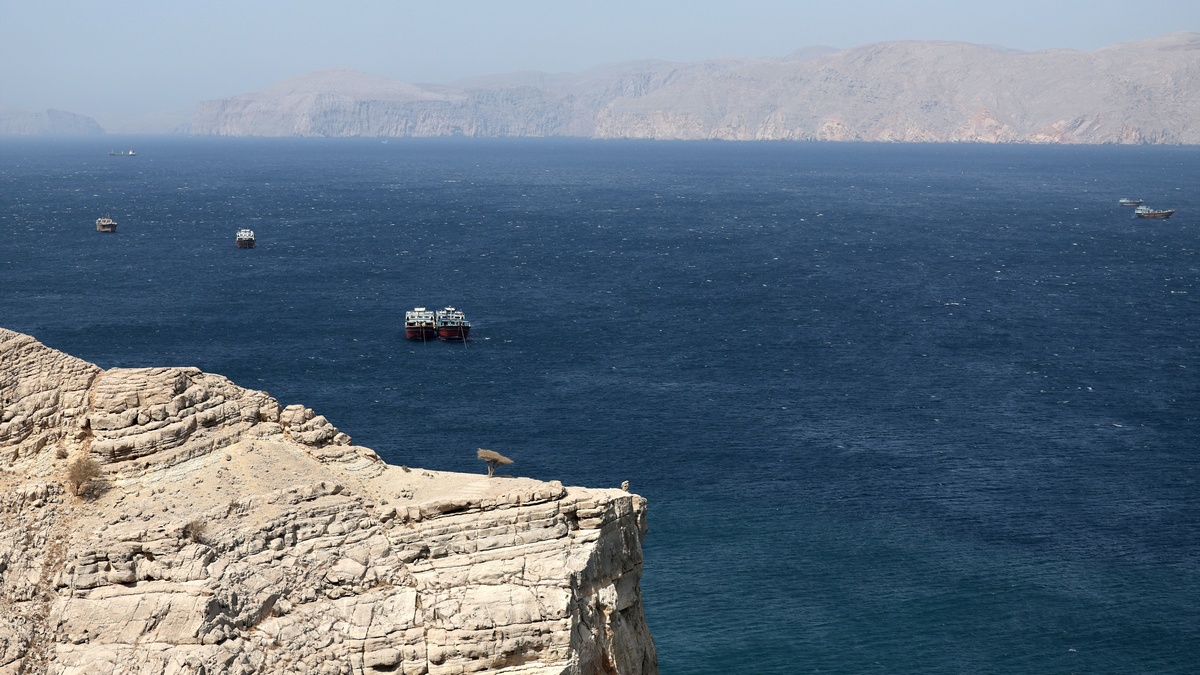
The Strait of Hormuz represents one of the most critical chokepoints in global maritime commerce, with approximately 20-21 million barrels of oil passing through its waters daily, accounting for roughly 20% of the world’s petroleum trade. This narrow passage, measuring only 33 kilometers at its narrowest point, separates Iran from the Arabian Peninsula and connects the Persian Gulf to the Gulf of Oman and the broader Indian Ocean. For decades, this waterway has been a focal point of regional tensions, with any disruption to shipping traffic having immediate implications for global energy markets and international security.
Details of the Attack and International Response
The missile strike targeted commercial vessels carrying oil through the contested waters, demonstrating Iran’s military capability to threaten international shipping in the region. The attack resulted in significant damage to the tankers and forced immediate emergency response operations to assist the wounded crew members. The injured Ukrainian citizens are reportedly receiving medical treatment, though their current condition and the specific medical facilities where they are being treated have not been disclosed by Ukrainian diplomatic authorities. The Ministry of Foreign Affairs has stated that consular officials are actively engaged in monitoring the situation and providing assistance to the affected nationals.
This incident represents a serious escalation in regional maritime security tensions that have periodically flared over the past several years. Iran has previously demonstrated its willingness to use military force against commercial shipping in the Strait of Hormuz, particularly during periods of heightened international pressure related to its nuclear program and economic sanctions. The international community has historically responded to such incidents with increased naval patrols and diplomatic pressure, though the effectiveness of these measures in preventing future attacks remains debated among security analysts.
Historical Context and Regional Tensions
The Strait of Hormuz has been the site of numerous confrontations throughout modern history, including during the Iran-Iraq War in the 1980s when both nations targeted oil tankers in what became known as the “Tanker War.” More recently, in 2019, a series of attacks on oil tankers in the Gulf of Oman raised international alarm and led to the deployment of additional Western naval assets to the region. Iran has consistently maintained that it reserves the right to control access to the strait in response to perceived threats to its national security, a position that puts it at odds with international maritime law and the principle of freedom of navigation.
The presence of Ukrainian crew members aboard commercial vessels in the region reflects the global nature of the maritime industry, where multinational crews operate ships registered in various flag states. Ukrainian seafarers represent a significant portion of the global maritime workforce, with tens of thousands employed on commercial vessels worldwide. This incident underscores the risks faced by these workers in volatile regions and raises questions about the adequacy of protections for civilian mariners operating in conflict-prone waters. The Ukrainian government has historically been active in protecting its citizens working abroad, and this incident will likely prompt further diplomatic engagement with all parties involved.
Implications for Global Energy Security
The attack has immediate implications for global energy markets, which remain sensitive to any disruption in the flow of oil from the Persian Gulf region. Energy analysts have noted that sustained threats to shipping in the Strait of Hormuz could lead to significant increases in oil prices and shipping insurance premiums, ultimately affecting consumers worldwide. The incident also highlights the vulnerability of global supply chains to regional conflicts and the interconnected nature of international trade. As diplomatic efforts continue to address the immediate crisis, long-term solutions to ensure the safety of commercial shipping through this critical waterway remain elusive, leaving the international community to balance economic interests with security concerns in an increasingly volatile region.
Expert Opinion: This attack signals Iran’s continued willingness to leverage its strategic position controlling the Strait of Hormuz as a pressure mechanism during periods of diplomatic tension. The targeting of commercial vessels with multinational crews internationalizes the conflict and may prompt coordinated responses from affected nations. Maritime security experts anticipate increased insurance premiums for vessels transiting the region and potential rerouting of some traffic, which could add 10-15 days to certain shipping routes and significantly impact global oil prices in the coming weeks.