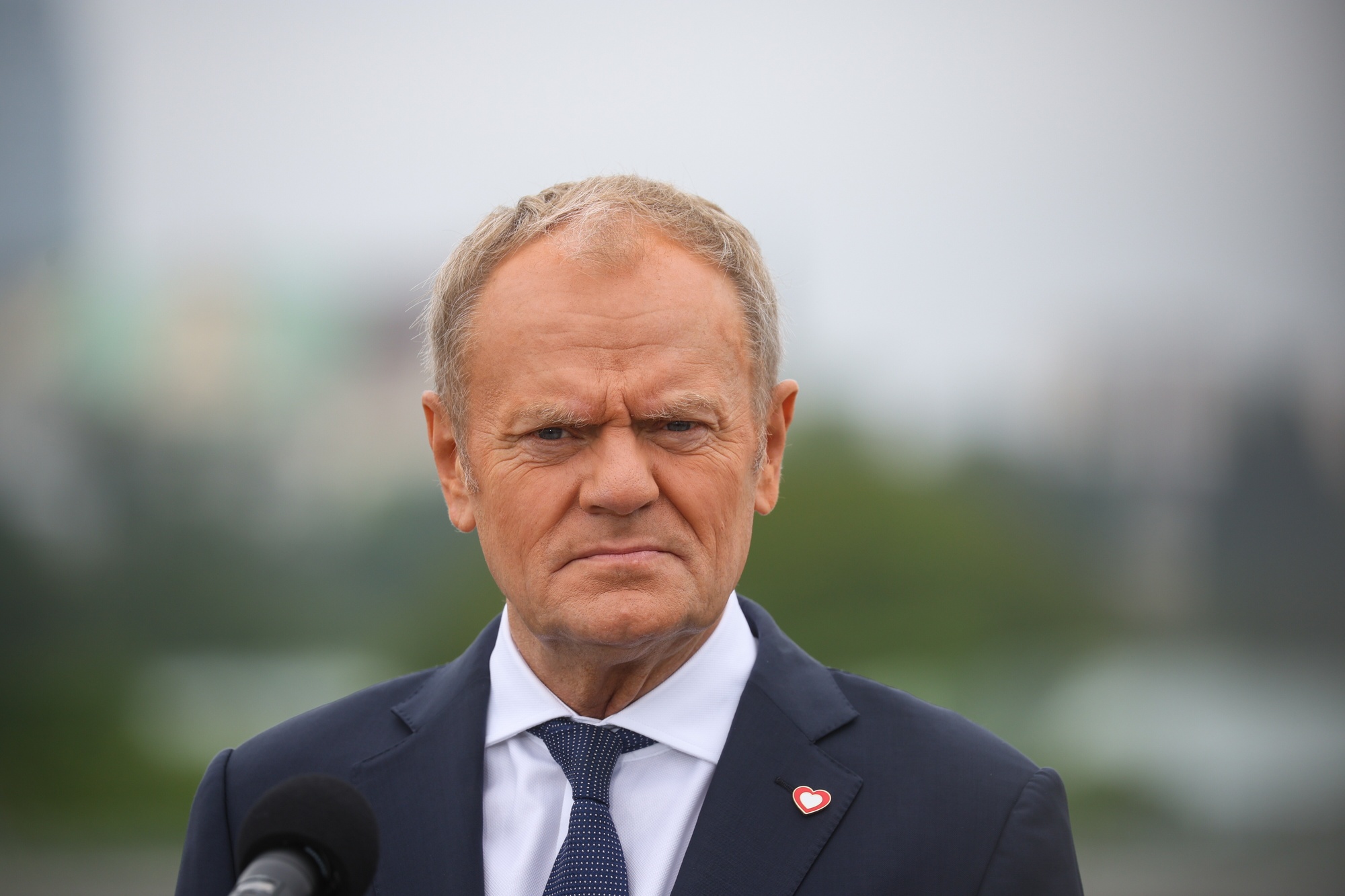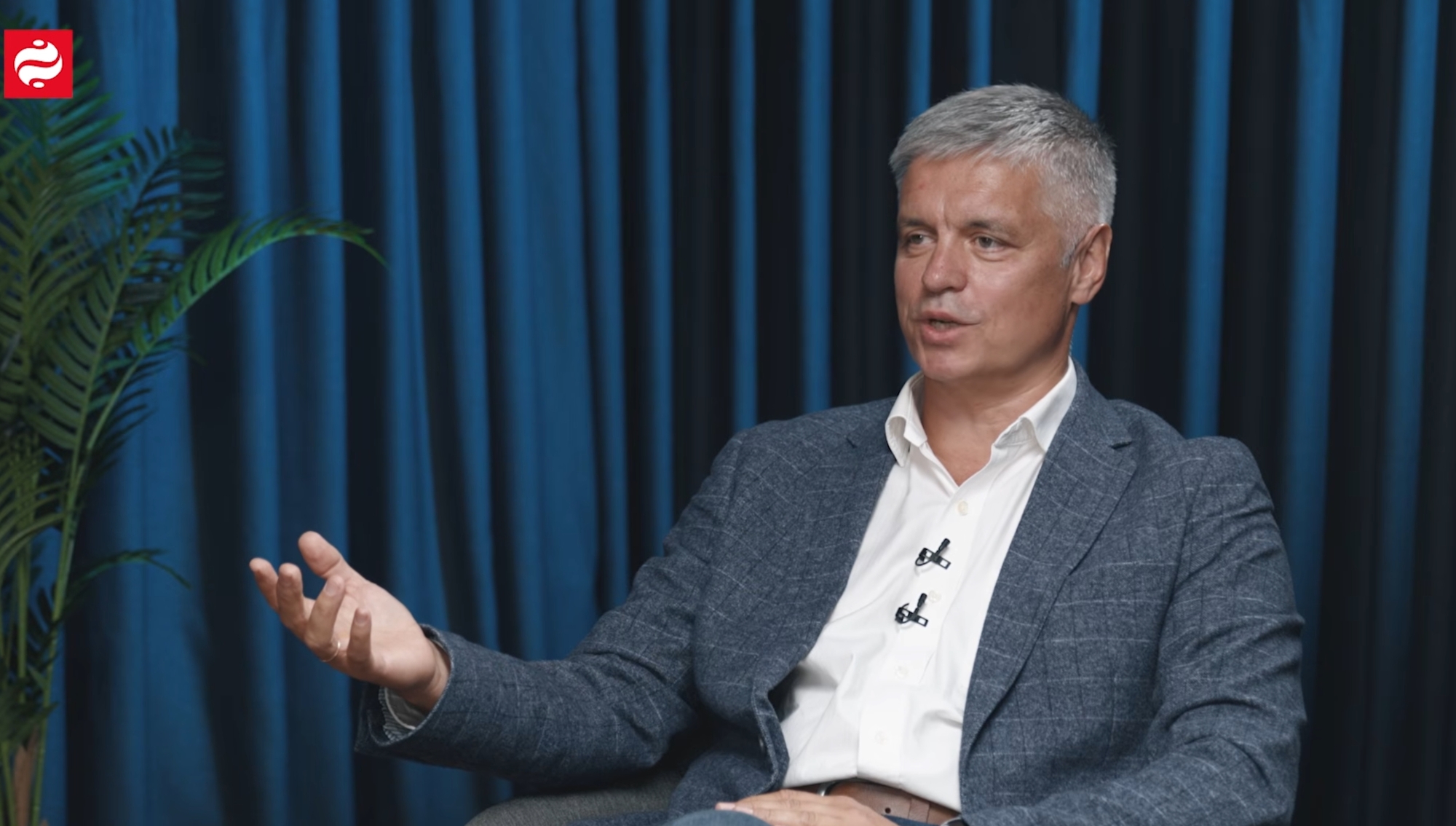
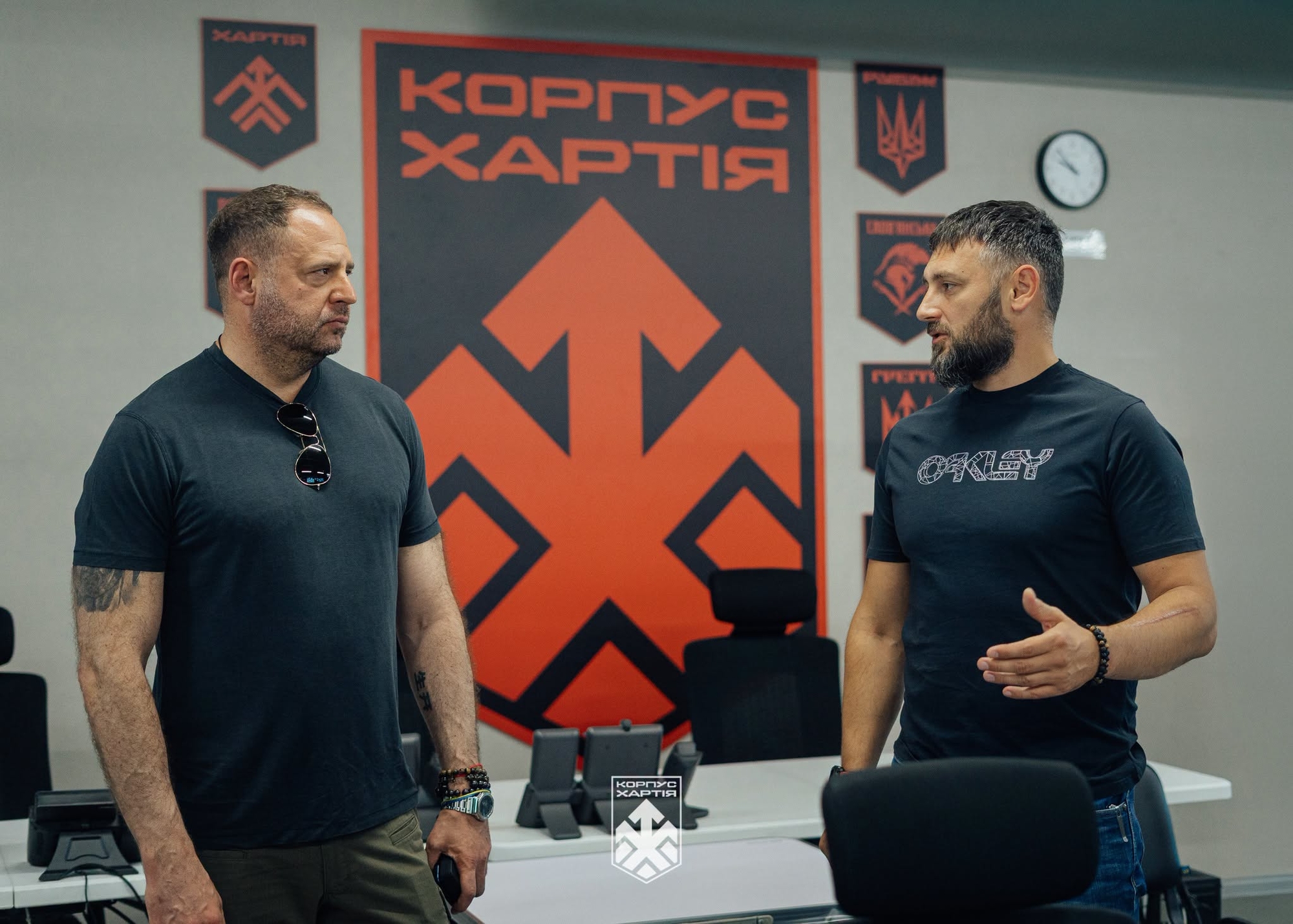
Key figures from Ukraine’s Charter volunteer movement have spoken out to defend the organization’s reputation following controversial developments involving a high-profile political figure. The radio host of Charter Radio, the founder of a volunteer military unit, and the current corps commander have all issued statements emphasizing that they will not allow the work of Charter to be devalued or diminished by external political associations. Their unified stance highlights the tension between grassroots military volunteer organizations and Ukraine’s political establishment during the ongoing conflict.
The controversy centers on the involvement of Andriy Yermak, the influential head of the Office of the President of Ukraine, with a project connected to the Charter movement. Yermak has been one of the most powerful figures in Ukrainian politics since the full-scale Russian invasion began in February 2022, often described as President Volodymyr Zelensky’s right-hand man. His involvement in various initiatives has frequently sparked debate within Ukrainian civil society, with some viewing his expanding influence with concern while others see it as necessary wartime coordination.
Volunteer Leaders Unite in Defense of Charter’s Legacy
Serhiy Obolensky, who serves as the host of Charter Radio, was among the first to comment on the situation. He emphasized that the Charter movement’s reputation was built through years of dedicated work and sacrifice, not through political connections. The radio station has played a crucial role in providing information and maintaining morale among both military personnel and civilians since the early days of the conflict. Obolensky stressed that this legacy would not be compromised regardless of who chooses to associate themselves with the project.
Writer and poet Serhiy Zhadan, who founded one of the volunteer military units associated with the Charter movement, echoed these sentiments. Zhadan, a celebrated literary figure who won the prestigious Peace Prize of the German Book Trade in 2022, has become an important voice for Ukrainian culture and resistance. His transition from cultural activism to direct military involvement exemplifies the broader mobilization of Ukrainian civil society in response to Russian aggression. Zhadan made clear that the authentic work done by volunteers on the ground cannot be appropriated or diminished by political maneuvering.
Historical Context of Ukraine’s Volunteer Movement
The Charter movement emerged from Ukraine’s rich tradition of volunteer military and humanitarian organizations that have developed since 2014, when Russia first invaded and annexed Crimea while supporting separatists in the Donbas region. These volunteer battalions and support networks filled critical gaps in Ukraine’s initially underfunded and poorly equipped military, providing everything from body armor and medical supplies to direct combat support. Many of these organizations have maintained their independence from official government structures, which their members view as essential to preserving their effectiveness and credibility.
Current corps commander Kostyantyn Kozhemyako also weighed in on the controversy, stating firmly that those who have served and sacrificed for Charter’s mission will not allow their efforts to be overshadowed or exploited. Kozhemyako’s statement carries particular weight given his operational responsibilities and direct knowledge of the challenges faced by volunteer units in active combat zones. His comments reflect a broader sentiment among military volunteers who are protective of the autonomous spirit that has defined their organizations since their inception.
Tensions Between Civil Society and Political Power
The situation highlights ongoing tensions in Ukrainian society between grassroots movements and centralized political authority. While the war has necessitated greater coordination between government and volunteer organizations, many activists and military volunteers remain wary of what they perceive as attempts to co-opt their efforts for political gain. The Charter movement’s public defense of its reputation suggests that these concerns extend even to figures as powerful as Yermak, who controls much of the flow of information and resources within the presidential administration.
As Ukraine continues to fight for its survival and territorial integrity, the role of volunteer organizations remains crucial. These groups have provided not only material support but also a sense of agency and community participation in the national defense effort. The willingness of Charter’s leadership to publicly push back against perceived political interference demonstrates the movement’s commitment to maintaining its independence and the trust it has built with both soldiers and supporters over years of dedicated service.
Expert Opinion: The public stance taken by Charter’s leadership represents a significant moment in Ukraine’s wartime civil society dynamics. As political consolidation accelerates during the conflict, volunteer organizations face increasing pressure to align with official structures, yet their credibility depends precisely on their perceived independence. This tension is likely to intensify as post-war reconstruction debates begin, making the preservation of autonomous civil society institutions a critical factor in Ukraine’s democratic development.