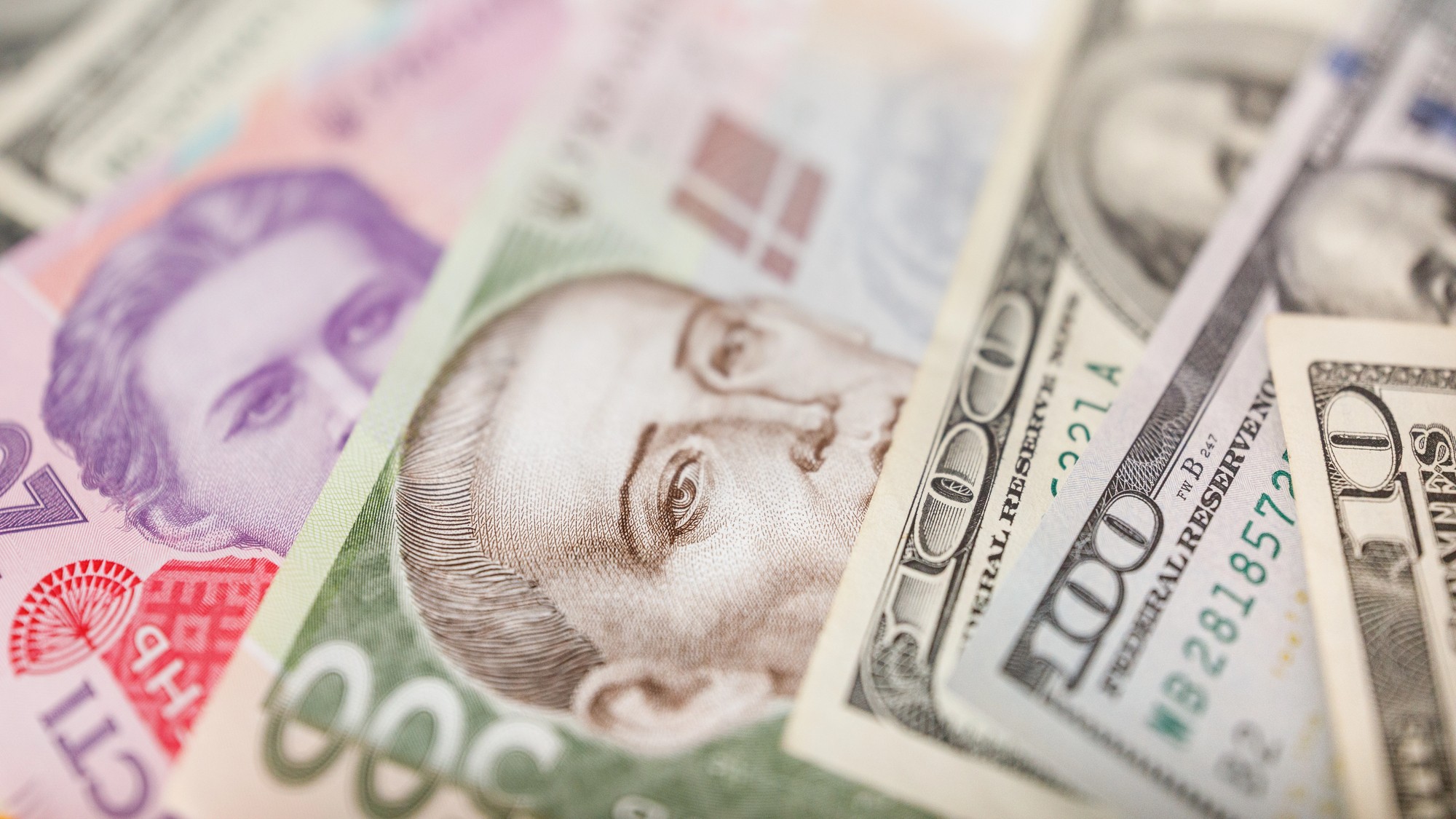
The National Bank of Ukraine has announced significant changes to transaction limits affecting individuals, businesses, and the broader financial sector. This latest regulatory adjustment marks a notable shift in the central bank’s approach to currency controls, quadrupling the previous cash withdrawal limits from 50,000 to 200,000 Ukrainian hryvnias. The move signals growing confidence in the country’s financial stability and represents a gradual return toward pre-war economic conditions.
Details of the New Regulatory Framework
The National Bank of Ukraine’s decision to raise transaction limits comes as part of a broader strategy to normalize financial operations while maintaining necessary safeguards. Under the new regulations, Ukrainian citizens will now be able to withdraw up to 200,000 hryvnias in cash, a fourfold increase from the previous 50,000 hryvnia limit. This adjustment applies to both individual account holders and business entities, providing greater flexibility for everyday transactions and commercial operations. The changes also extend to the financial sector, where institutions will benefit from more relaxed operational parameters that should facilitate smoother banking services for their customers.
These modifications represent a carefully calibrated approach by the NBU, balancing the need for economic freedom with ongoing concerns about financial stability during uncertain times. The central bank has emphasized that while restrictions are being eased, monitoring systems remain in place to detect any unusual activity or potential capital flight that could destabilize the banking system.
Historical Context and Wartime Restrictions
The currency restrictions that Ukraine has been operating under were initially implemented in February 2022 following Russia’s full-scale invasion. At that time, the National Bank imposed strict capital controls to prevent bank runs, protect foreign currency reserves, and maintain financial stability during the most acute phase of the crisis. These measures included limits on cash withdrawals, restrictions on foreign currency purchases, and controls on international money transfers. Such emergency measures are common during periods of conflict or severe economic stress, as they help prevent panic-driven behavior that could collapse banking systems.
Over the past two years, the NBU has gradually loosened these restrictions as the financial situation has stabilized. The Ukrainian banking system has demonstrated remarkable resilience, continuing to operate even in areas close to active combat zones. International financial support from allies, including substantial aid packages from the United States, European Union, and international financial institutions like the IMF, has helped shore up Ukraine’s economic foundations and allowed for this progressive relaxation of controls.
Economic Implications and Future Outlook
Financial analysts view this latest easing of restrictions as a positive indicator of Ukraine’s economic health despite ongoing military challenges. The increased limits will provide households with greater access to their funds, potentially stimulating consumer spending and supporting small businesses that rely on cash transactions. For the business sector, higher limits mean improved operational flexibility, easier payroll management, and reduced administrative burden when conducting routine financial operations.
However, experts caution that the path to full financial normalization remains long. The NBU must continue balancing liberalization with prudent risk management, particularly given the unpredictable nature of the ongoing conflict. The central bank has indicated that future adjustments will depend on macroeconomic conditions, inflation trends, and the overall security situation. Currency stability remains a priority, with the hryvnia’s exchange rate being carefully managed to prevent sharp fluctuations that could erode public confidence and purchasing power.
International observers, including the International Monetary Fund, have generally supported Ukraine’s measured approach to easing capital controls. The IMF’s ongoing program with Ukraine includes benchmarks for gradual financial liberalization, and this latest move aligns with those objectives. As Ukraine continues to navigate the challenges of war while maintaining economic functionality, the NBU’s adaptive regulatory approach serves as a model of crisis management under extraordinary circumstances.
Expert Opinion: The quadrupling of withdrawal limits signals that Ukraine’s banking sector has weathered the most severe stresses of wartime conditions and is now entering a consolidation phase. This gradual normalization approach reduces the risk of sudden capital outflows while restoring economic confidence. If current trends continue and international support remains steady, we can expect further relaxation of currency controls throughout 2025, potentially including expanded foreign currency operations for businesses and individuals.