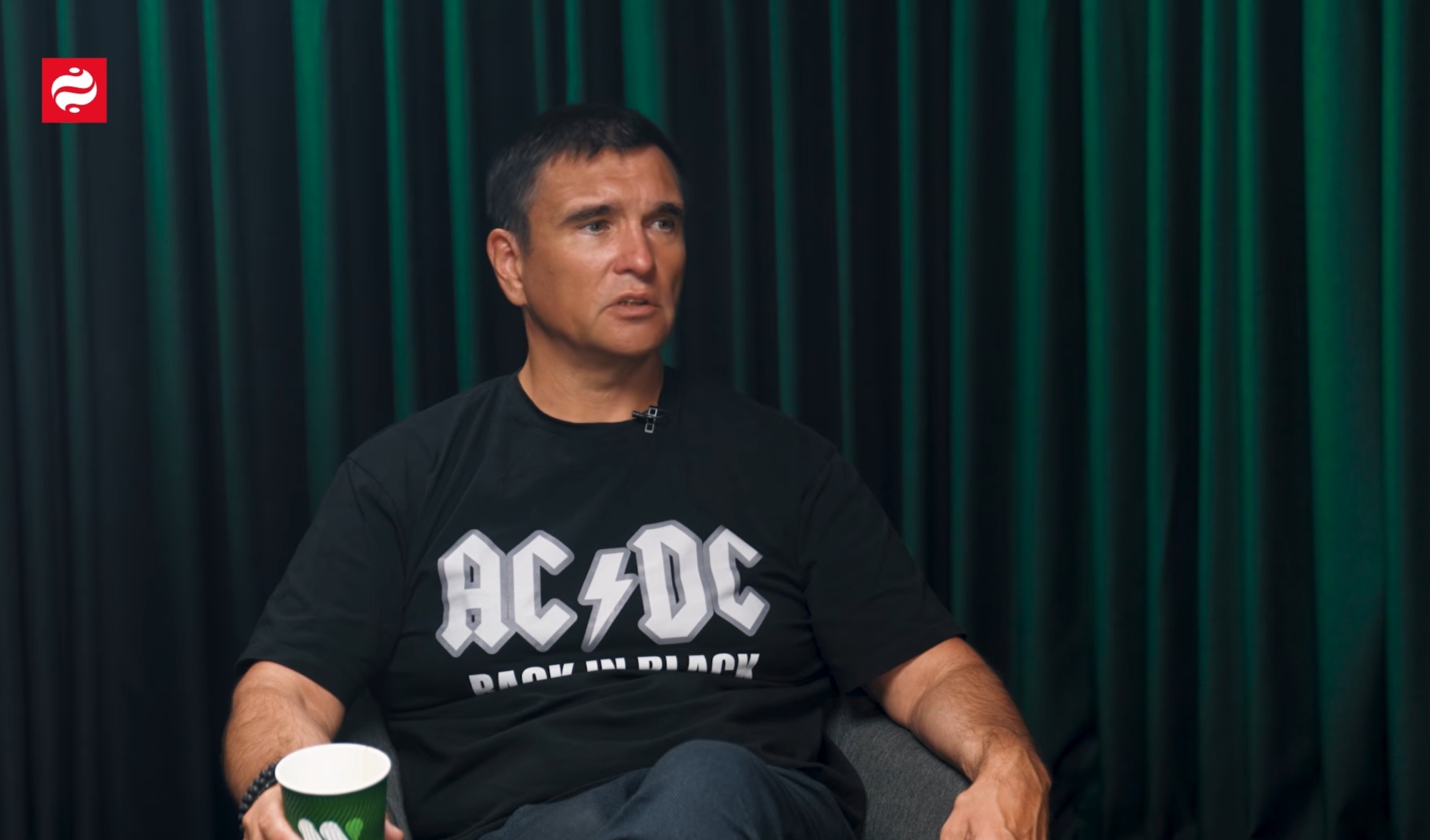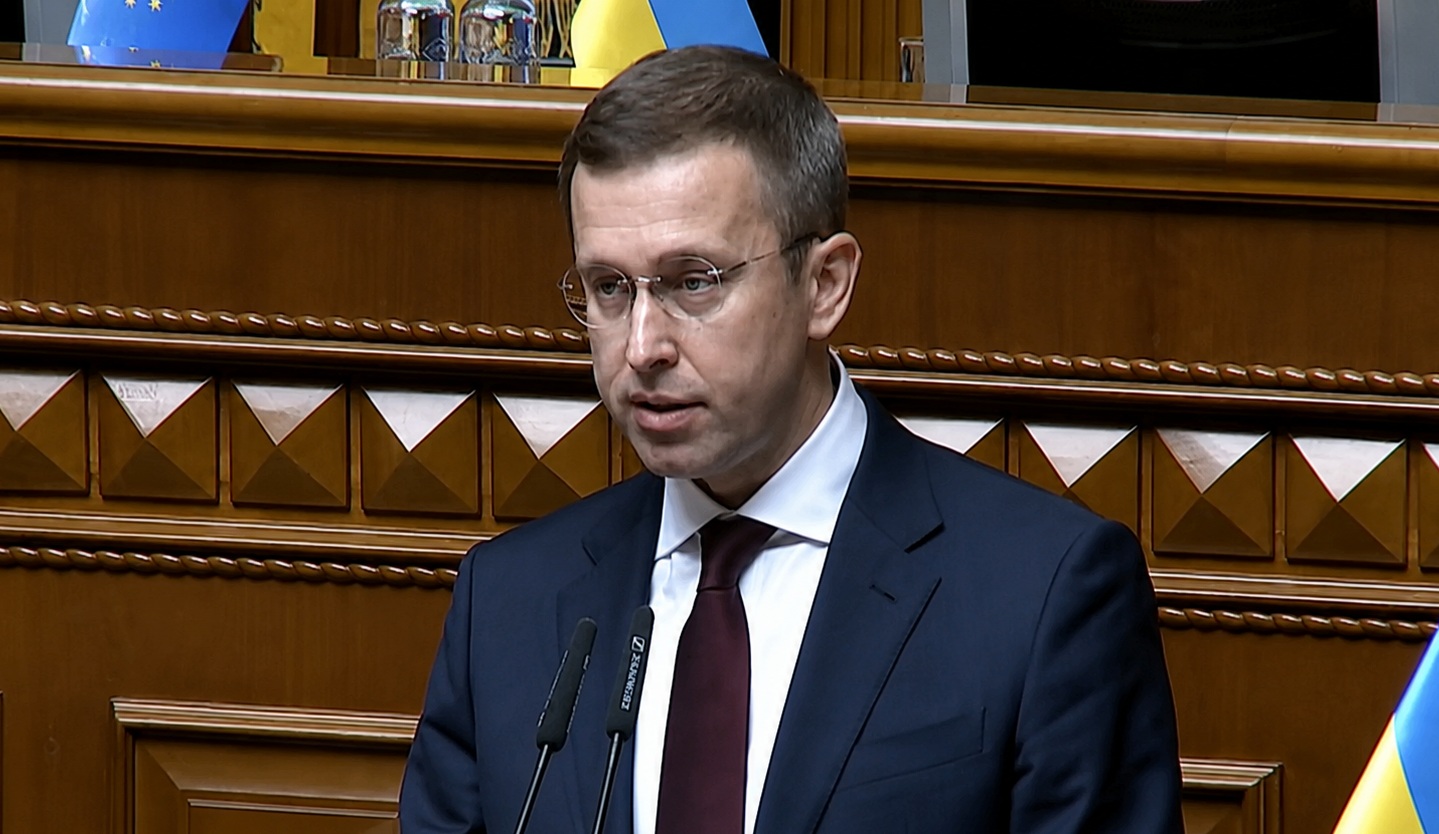
Political analyst Roland Freudenstein has provided his assessment to LIGA.net regarding the latest meeting between the presidents of Ukraine and the United States, offering insights into the complex dynamics shaping American foreign policy toward the ongoing conflict in Eastern Europe. The expert’s analysis comes at a critical juncture when questions about external influences on President Donald Trump’s decision-making process have become increasingly prominent in diplomatic circles.
The meeting between Ukrainian President Volodymyr Zelensky and President Trump represents another chapter in the evolving relationship between Washington and Kyiv. However, Freudenstein’s comments highlight concerns about various actors attempting to shape Trump’s perspective on the Russia-Ukraine conflict, including controversial figures within his own political orbit.
The Loomer Factor and Its Implications
Laura Loomer, a far-right activist and social media personality, has become an increasingly visible presence around President Trump in recent months. Her proximity to the former and current president has raised eyebrows among foreign policy experts and traditional Republican establishment figures alike. Freudenstein’s analysis suggests that such influences could potentially affect how Trump processes information about international conflicts, particularly regarding Russia’s position in the Ukraine war.
Loomer has been known for her controversial statements and conspiracy theories, and her growing access to Trump has sparked debates about who holds sway over the president’s foreign policy views. Critics argue that non-traditional advisors without diplomatic experience or security clearances may inadvertently serve as conduits for messaging that benefits foreign powers, even if unintentionally. The analyst’s assessment indicates that this creates potential vulnerabilities in the American decision-making process.
Putin’s Strategic Communication Channels
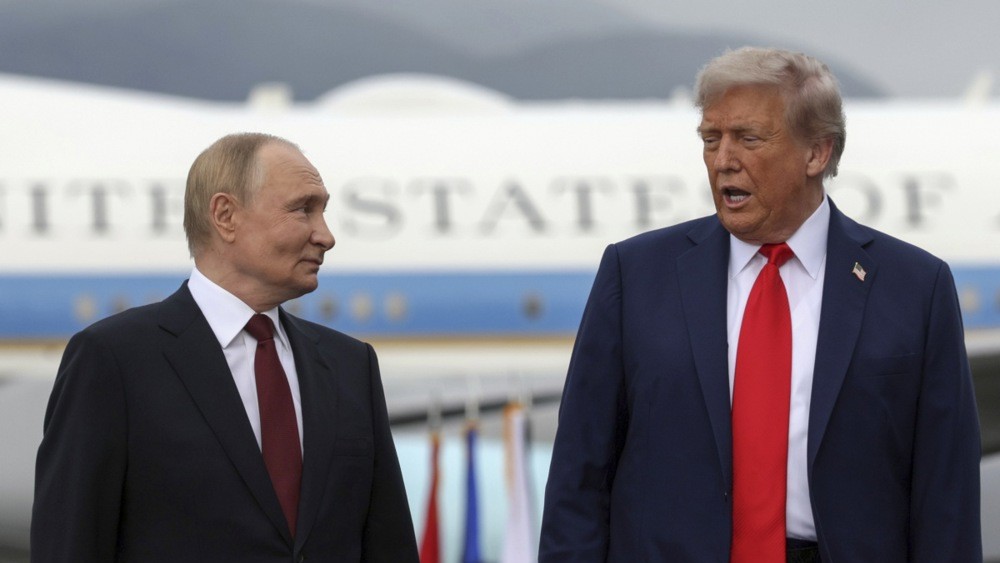
Perhaps most significantly, Freudenstein noted that Russian President Vladimir Putin still retains the ability to communicate his vision and perspective to the American administration. This observation carries substantial weight given the ongoing debates about Russian influence operations and the Kremlin’s sophisticated approaches to shaping Western public opinion and policy. Throughout the conflict in Ukraine, Russia has maintained multiple channels of communication and influence, utilizing both official diplomatic routes and less conventional means.
Historical context is essential here: since the annexation of Crimea in 2014 and the full-scale invasion of Ukraine in February 2022, Russia has consistently sought to present its narrative to Western audiences and leaders. The Kremlin’s messaging typically emphasizes NATO expansion as a provocation, portrays Russian military action as defensive, and suggests that peace negotiations should account for Russian security concerns. Freudenstein’s comment suggests these messages continue to find pathways to American leadership circles.
Implications for Ukraine and International Security
For Ukraine, the dynamics Freudenstein describes carry profound implications. Kyiv has worked tirelessly to maintain Western support, with President Zelensky making numerous diplomatic visits and appeals to keep Ukraine’s cause at the forefront of international attention. Any suggestion that alternative narratives might gain traction in Washington creates uncertainty about the durability of American military and financial assistance, which has been crucial to Ukraine’s defense efforts.
European allies are watching these developments closely. The transatlantic alliance has generally maintained unity on supporting Ukraine, but shifts in American policy would inevitably affect the broader Western response. NATO members have coordinated sanctions against Russia, provided military equipment, and offered humanitarian assistance, all predicated on continued American leadership in the coalition. Analysts across Europe share Freudenstein’s concerns about the stability of this consensus given the various pressures on American foreign policy formulation.
The coming months will likely prove decisive in determining whether these concerns materialize into policy shifts or remain theoretical worries among the expert community. As diplomatic efforts continue and battlefield conditions evolve, the question of who influences American presidential decision-making will remain central to the conflict’s trajectory and its eventual resolution.
Expert Opinion: The intersection of unconventional political influences and traditional foreign policy challenges creates unprecedented uncertainty in U.S.-Ukraine relations. If alternative voices continue to gain access to presidential decision-making while Putin maintains his communication channels, we may see a gradual shift in American posture that could fundamentally alter the balance of the conflict. European partners should prepare contingency strategies that account for potential fluctuations in American commitment levels.