
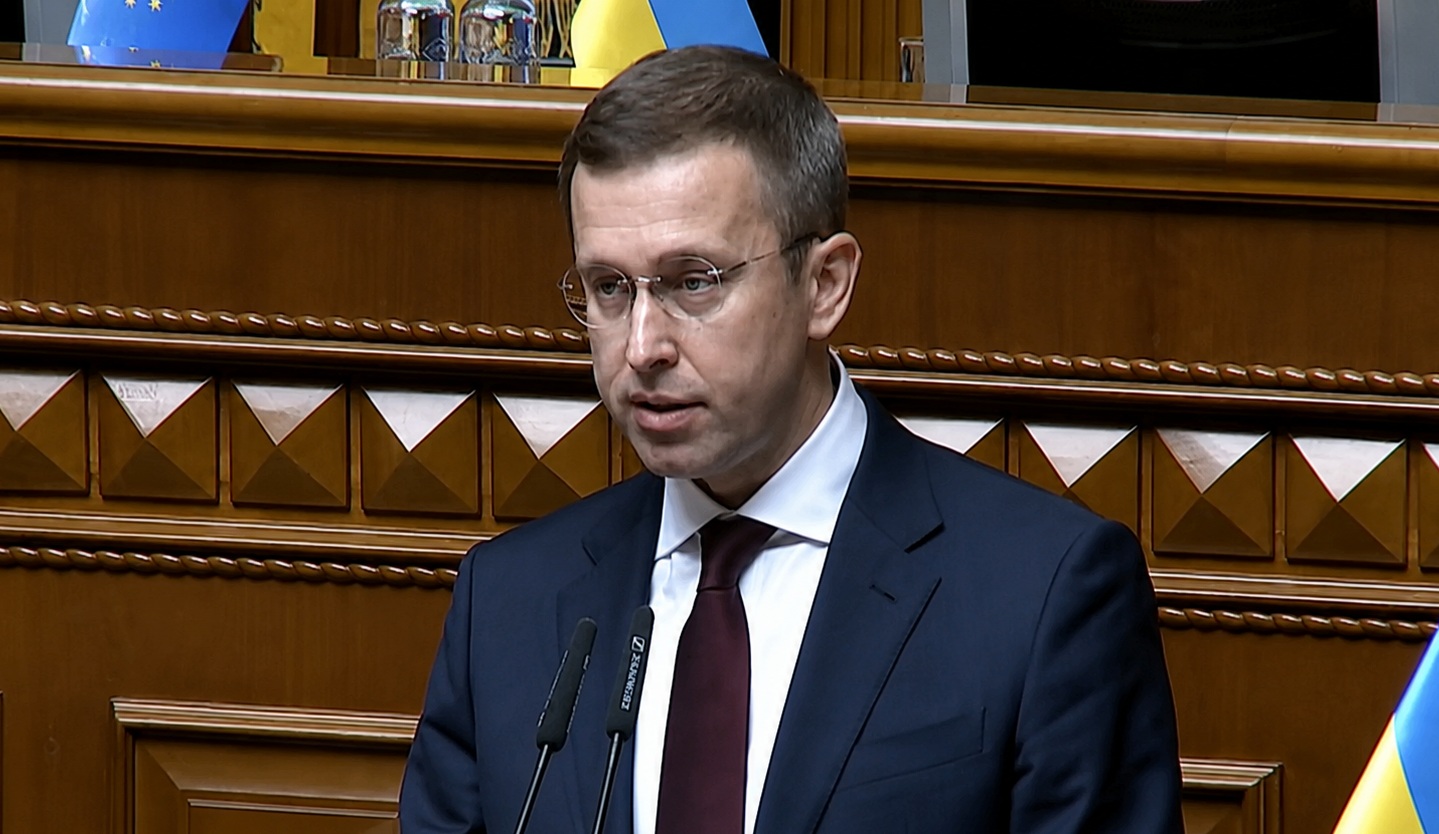
In a significant political development, members of parliament have voted to appoint Koretsky as the new Prime Minister, marking a pivotal moment in the country’s governance. The parliamentary session, which drew considerable attention from political observers and citizens alike, concluded with lawmakers casting their ballots in favor of the new government leader. This appointment comes at a crucial time when the nation faces numerous domestic and international challenges requiring steady leadership and decisive action.
The voting process followed standard parliamentary procedures, with deputies deliberating on the candidate’s qualifications, political platform, and vision for the country’s future. The successful appointment reflects a consensus among the ruling coalition members who believe Koretsky possesses the necessary experience and political acumen to navigate the complex landscape of contemporary governance. Political analysts note that gaining parliamentary approval for a prime ministerial candidate often requires extensive negotiations and coalition-building efforts behind the scenes.
Political Background and Path to Leadership
The appointment of a new prime minister is always a watershed moment in any democratic system, representing both continuity and change in governmental policy. Prime ministers typically serve as the head of government, responsible for implementing legislation, managing the executive branch, and representing the nation in various diplomatic capacities. The role demands exceptional organizational skills, political savvy, and the ability to maintain coalition unity while addressing the diverse needs of the population.
In parliamentary systems, the prime minister derives their authority from the legislature rather than direct popular election, making the relationship between the executive and legislative branches particularly important. This system of governance, which has roots in the Westminster model developed in the United Kingdom, emphasizes collective cabinet responsibility and parliamentary accountability. The new prime minister will be expected to regularly appear before parliament, answer questions from deputies, and maintain the confidence of the legislative body throughout their tenure.
Challenges and Expectations Ahead
The incoming prime minister faces a substantial agenda that includes addressing economic concerns, managing public services, and maintaining international relationships. Modern prime ministers must balance domestic priorities with global responsibilities, particularly in an era of increasing international interdependence and geopolitical uncertainty. Economic policy, healthcare reform, infrastructure development, and social welfare programs are typically among the top priorities for any new government leader seeking to make a positive impact on citizens’ daily lives.
Coalition management represents another critical challenge for newly appointed prime ministers. Building and maintaining a stable governing coalition requires constant communication, compromise, and political skill. Historical examples demonstrate that governments with strong parliamentary support are better positioned to implement their policy agendas and weather political storms. The new prime minister will need to balance the interests of various coalition partners while pursuing coherent national policies that serve the broader public interest.
Looking Forward: Governance and Reform
As Koretsky assumes the responsibilities of the prime ministerial office, attention will turn to cabinet appointments and the formulation of the government’s policy priorities. The selection of ministers for key portfolios such as finance, foreign affairs, defense, and internal affairs will provide important signals about the administration’s direction and priorities. Citizens and international observers alike will be watching closely to assess whether the new government can deliver on its promises and address the pressing challenges facing the nation.
The peaceful transfer of power through parliamentary processes underscores the strength of democratic institutions and the commitment to constitutional governance. Regardless of political affiliations, the smooth functioning of these democratic mechanisms benefits society as a whole by ensuring stability, predictability, and legitimate authority. As the new administration begins its work, the coming months will reveal whether the confidence placed in the new prime minister by parliament was well-founded and whether the promised reforms will materialize into concrete improvements in governance and public welfare.
Expert Opinion: The appointment of Koretsky signals a potential shift toward policy stability, as parliamentary consensus suggests broad coalition support for the incoming administration’s agenda. However, the true test of leadership will come in the first 100 days, when the new prime minister must demonstrate the ability to translate political capital into tangible policy outcomes while maintaining coalition cohesion amid inevitable economic and geopolitical pressures.