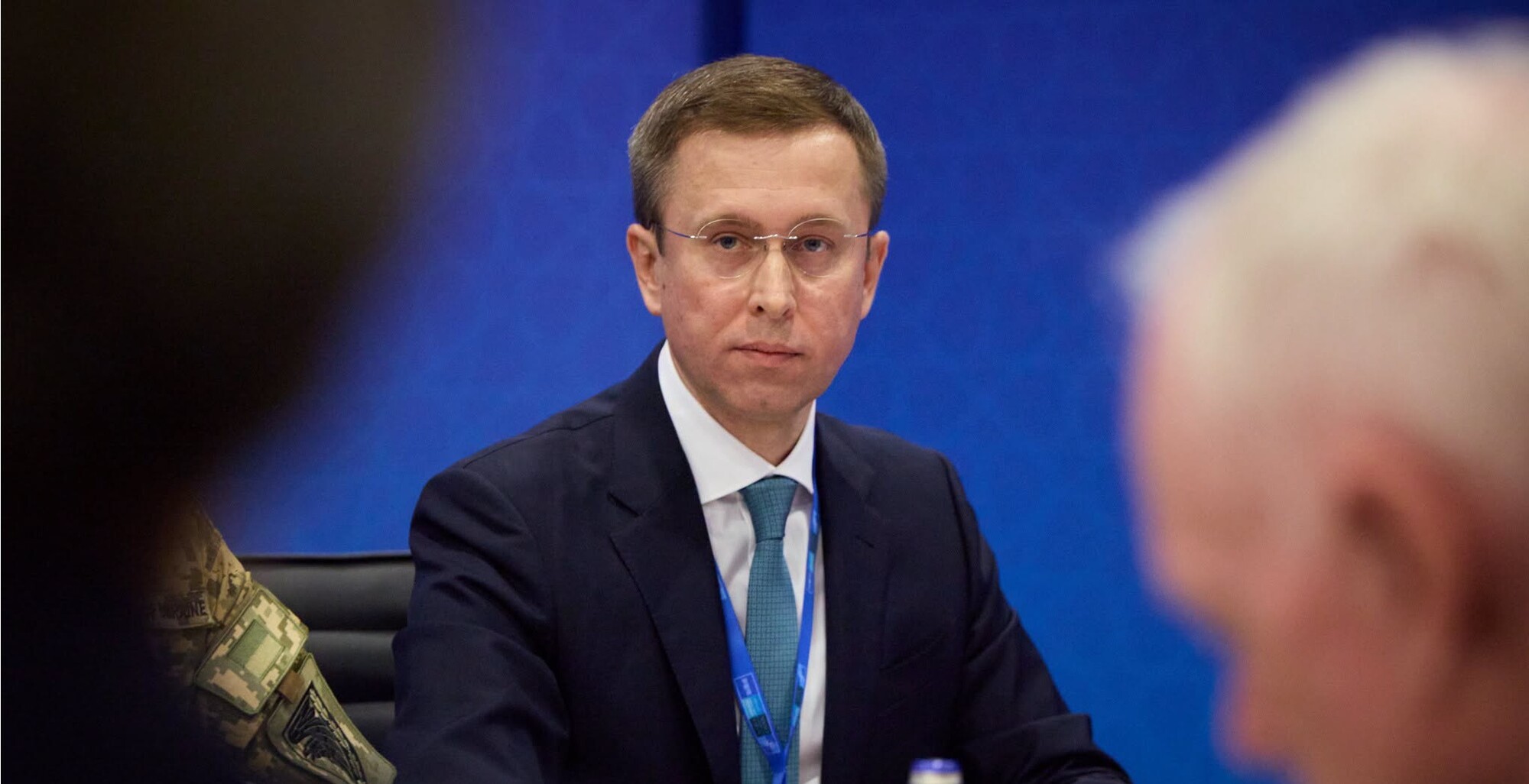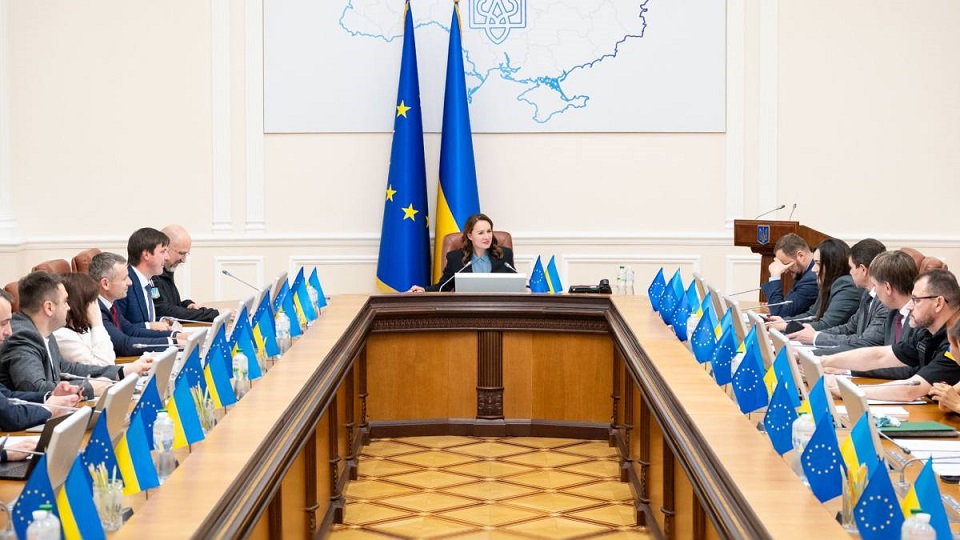

The recent wave of ministerial changes in Ukraine’s government has sparked intense debate among political analysts and observers both domestically and internationally. While critics have been quick to label these shifts as chaotic reshuffling or signs of internal instability, a closer examination reveals a more calculated strategy at play. The latest cabinet reorganization appears to be part of a deliberate transition toward a rigid executive apparatus designed to maximize efficiency during one of the most challenging periods in Ukraine’s modern history.
President Volodymyr Zelensky’s approach to governance has evolved significantly since the full-scale Russian invasion began in February 2022. What initially appeared as a wartime emergency response has now crystallized into a systematic restructuring of power dynamics within the Ukrainian government. The changes are not merely cosmetic adjustments but represent a fundamental shift in how decisions are made and implemented at the highest levels of state administration.
The Strategic Logic Behind Cabinet Changes
Understanding the rationale behind these governmental shifts requires examining the broader context of wartime leadership. Throughout history, nations engaged in prolonged conflicts have consistently centralized executive power to ensure rapid decision-making and seamless policy implementation. The United States during World War II, Britain under Winston Churchill, and Israel during its various conflicts all demonstrated similar patterns of consolidating governmental authority during existential threats.
For Ukraine, the stakes could not be higher. With the country facing an adversary that possesses significant military advantages in certain areas, the luxury of prolonged bureaucratic deliberation simply does not exist. Each ministerial appointment and dismissal serves a specific purpose within this framework: eliminating bottlenecks, removing underperformers, and positioning individuals whose skills match the current phase of the conflict. This is governance optimized for survival rather than political peacetime norms.
Historical Precedents and International Context
The transformation of Ukraine’s governmental structure echoes patterns seen in other democracies facing existential challenges. During World War II, Franklin D. Roosevelt frequently reorganized his cabinet and created new agencies to address emerging wartime needs. Similarly, David Ben-Gurion in Israel established a tradition of pragmatic governmental restructuring that prioritized national survival over political convention. These historical parallels suggest that Ukraine’s current approach, while unconventional by peacetime standards, follows a well-established playbook for democracies under siege.
International observers have noted that Zelensky’s governmental changes often coincide with shifts in battlefield dynamics or changes in Western support patterns. When new military aid packages are announced, appropriate personnel are positioned to manage their integration. When diplomatic initiatives require fresh approaches, experienced negotiators are moved into key positions. This responsive governance model allows Ukraine to adapt quickly to rapidly changing circumstances that would overwhelm a more rigid bureaucratic structure.
Domestic Political Implications
Within Ukraine, public opinion on these changes remains complex. Polling consistently shows strong support for Zelensky’s overall leadership during the war, though some segments of society express concern about the concentration of executive power. Ukrainian civil society organizations have emphasized the importance of maintaining democratic accountability even during wartime, advocating for transparency in governmental decision-making processes.
The opposition, though largely operating in a constrained political environment due to martial law provisions, has raised questions about the criteria used for appointments and dismissals. However, the predominant national mood remains focused on winning the war, with most citizens accepting that extraordinary times require extraordinary measures. The social contract between the Ukrainian people and their government has been fundamentally altered by the invasion, creating space for governmental flexibility that would be unacceptable under normal circumstances.
Looking Forward: Governance in Uncertain Times
As the conflict continues with no clear end in sight, the Ukrainian government’s structure will likely continue evolving. The emphasis on creating a rigid executive apparatus suggests that Zelensky and his team are preparing for a prolonged struggle that will require sustained governmental efficiency. Future cabinet changes should be viewed through this lens: not as signs of instability, but as ongoing calibration of a wartime machine.
The ultimate test of this governance model will come not only in how effectively it prosecutes the current conflict but also in how smoothly Ukraine can transition back to peacetime democratic norms once the war concludes. The institutions being shaped today will form the foundation for Ukraine’s post-war reconstruction, making the current governmental architecture a matter of long-term national significance beyond immediate military considerations.
Expert Opinion: The pattern of governmental restructuring in Kyiv indicates a mature understanding of wartime governance rather than political dysfunction. As Ukraine enters what may become a protracted conflict of attrition, we should expect further calibration of ministerial portfolios aligned with shifting strategic priorities. The key indicator to watch will be whether these changes correlate with improved battlefield outcomes and more efficient absorption of Western military assistance — early evidence suggests this correlation is strengthening.