
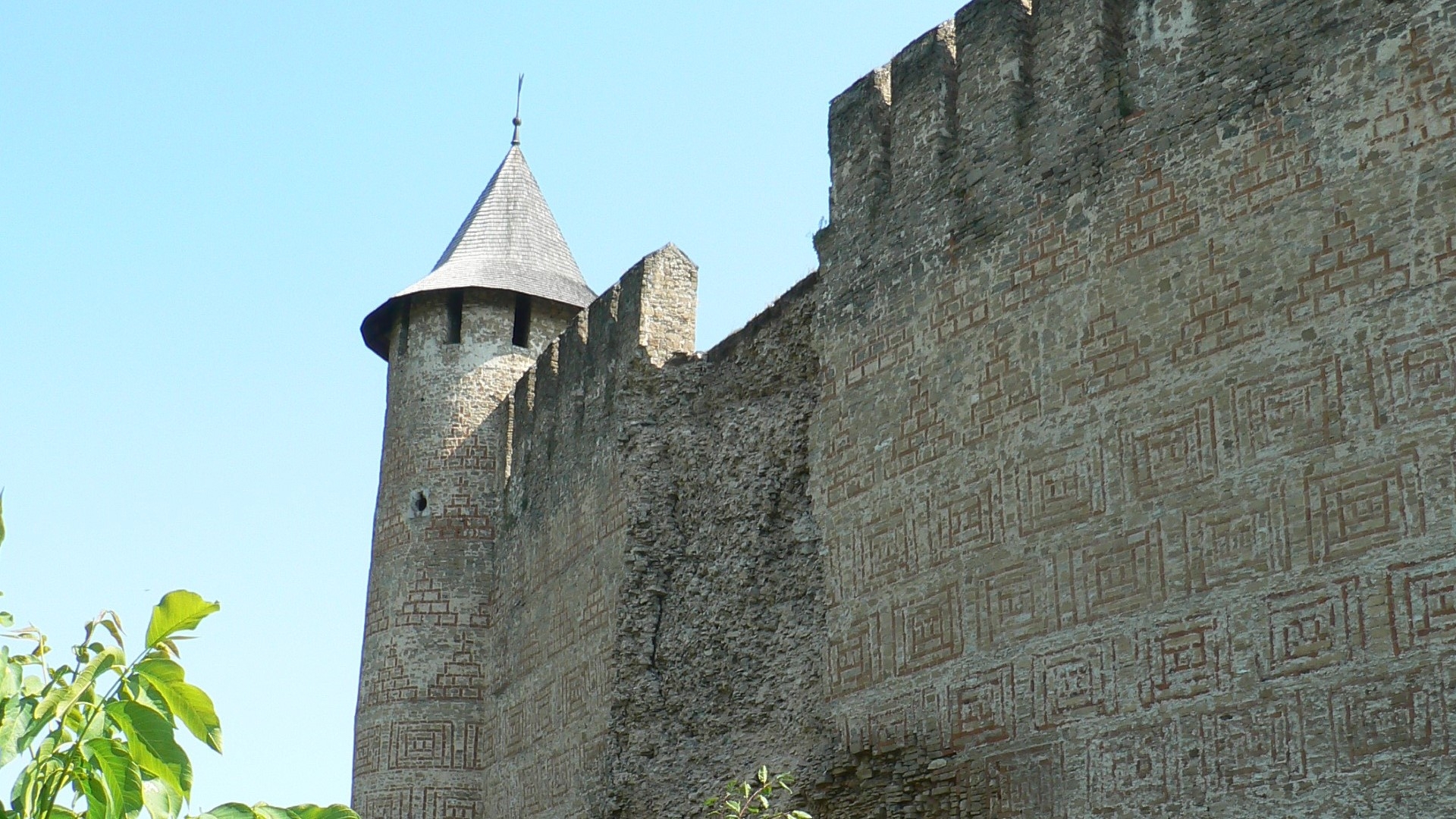
Visitors to one of Ukraine’s most iconic medieval landmarks now face significant access restrictions following structural damage to the historic site. Authorities have limited tourist entry to Khotyn Fortress after a section of its ancient defensive wall collapsed, raising serious concerns about the stability of the remaining structure. Officials have not yet announced when full access to the fortress will be restored, leaving both tourists and local businesses in uncertainty.
The Khotyn Fortress, located in the Chernivtsi region of western Ukraine along the banks of the Dniester River, has stood as a testament to medieval military architecture for centuries. The recent wall collapse has prompted immediate safety measures, with authorities cordoning off affected areas and restricting visitor movement throughout the complex. While some portions of the fortress remain accessible, tourists are being warned to exercise extreme caution and follow all posted guidelines.
A Monument With Eight Centuries of History
The Khotyn Fortress represents one of the most significant medieval fortifications in Eastern Europe, with its origins dating back to the 10th century. The current stone structure was primarily constructed between the 13th and 16th centuries, serving as a crucial defensive position that changed hands numerous times throughout history. The fortress has been controlled by various powers including the Principality of Galicia-Volhynia, the Kingdom of Poland, the Ottoman Empire, and the Russian Empire, each leaving their architectural and cultural mark on the site.
Throughout its long history, Khotyn Fortress has witnessed numerous military conflicts, most notably the famous Battle of Khotyn in 1621, where Polish-Lithuanian Commonwealth forces successfully defended against Ottoman invasion. The fortress was designated a UNESCO World Heritage tentative site in 1989, recognizing its outstanding universal value as an example of medieval military engineering. Annual visitor numbers to the site have typically exceeded hundreds of thousands, making it one of Ukraine’s premier historical tourism destinations.
Structural Concerns and Conservation Challenges
The partial wall collapse highlights the ongoing challenges facing Ukraine’s cultural heritage sites, many of which require significant investment in conservation and structural reinforcement. Experts have long warned that centuries-old fortifications across the country need comprehensive restoration work to prevent deterioration. The harsh continental climate, with its freeze-thaw cycles and seasonal temperature extremes, places considerable stress on ancient stone structures, gradually weakening mortar joints and destabilizing walls over time.
Conservation specialists emphasize that medieval fortresses require continuous monitoring and preventive maintenance to ensure their preservation for future generations. The cost of properly maintaining such extensive stone structures often exceeds available budgets, forcing authorities to prioritize the most critical repairs. In recent years, Ukraine has faced additional challenges in allocating resources for cultural heritage preservation amid broader national priorities, though international organizations have provided some support for key historical sites.
Impact on Local Tourism and Economy
The access restrictions are expected to have a significant impact on the local economy, which relies heavily on tourism generated by the fortress. The town of Khotyn and surrounding communities have developed substantial tourism infrastructure, including hotels, restaurants, and souvenir shops, all dependent on the steady flow of visitors to the historic site. Local business owners have expressed concern about potential revenue losses during the period of restricted access, particularly as the spring and summer months typically bring peak tourist season.
Authorities have indicated that structural assessments are ongoing to determine the extent of damage and develop a comprehensive restoration plan. Engineering teams will need to evaluate not only the collapsed section but also inspect the entire fortress perimeter to identify any additional areas of concern. The timeline for repairs will depend on the severity of damage discovered, availability of specialized restoration materials, and funding allocation. Heritage conservation experts note that proper restoration of medieval stone structures requires skilled craftsmen using traditional techniques, which can extend project timelines significantly compared to modern construction methods.
Expert Opinion: The wall collapse at Khotyn Fortress serves as a stark reminder that Ukraine’s medieval heritage sites require sustained investment and proactive conservation strategies. Without comprehensive structural assessment programs and dedicated funding mechanisms, similar incidents may occur at other historic fortifications across the country. The coming months will be critical in demonstrating whether authorities can mobilize resources effectively to preserve this irreplaceable monument while ensuring visitor safety remains the top priority.