In a sobering announcement that underscores the ongoing toll of Russia’s military aggression on Ukrainian cultural institutions, a major bookstore chain and publishing house have confirmed they will not participate in the upcoming “Book Country” literary festival. The decision comes in the wake of catastrophic losses sustained during the summer of 2026, when Russian strikes damaged or destroyed at least 9 million books, dealing a severe blow to Ukraine’s publishing industry and cultural heritage.
The withdrawal marks a significant absence from one of Ukraine’s most celebrated literary events, which typically brings together publishers, authors, and book lovers from across the country and beyond. The festival has historically served as a vital platform for promoting Ukrainian literature and fostering cultural exchange, making this withdrawal all the more symbolic of the broader cultural casualties inflicted by the ongoing conflict.
The Scale of Destruction: Millions of Books Lost
The figure of 9 million destroyed books represents an almost incomprehensible loss for any nation’s literary ecosystem. To put this in perspective, this number exceeds the entire annual book production of many European countries. The destruction encompasses not only commercially printed materials but likely includes irreplaceable editions, newly published works by Ukrainian authors, and educational materials desperately needed in schools across the war-torn nation.
Publishing industry experts note that the loss extends far beyond the physical books themselves. Years of editorial work, translation efforts, printing investments, and distribution planning have been wiped out in mere moments. For independent publishers operating on thin margins, such losses can prove existential. The ripple effects touch authors awaiting royalties, translators whose work has vanished, and readers who may never access certain titles again.
A Pattern of Cultural Targeting
This latest incident fits into a disturbing pattern of attacks on Ukrainian cultural infrastructure that international observers have documented since the full-scale invasion began in February 2022. Libraries, museums, theaters, and publishing facilities have repeatedly found themselves in the crosshairs of Russian military operations. UNESCO has recorded hundreds of verified incidents of damage to cultural sites throughout Ukraine, though experts believe the actual number is significantly higher.
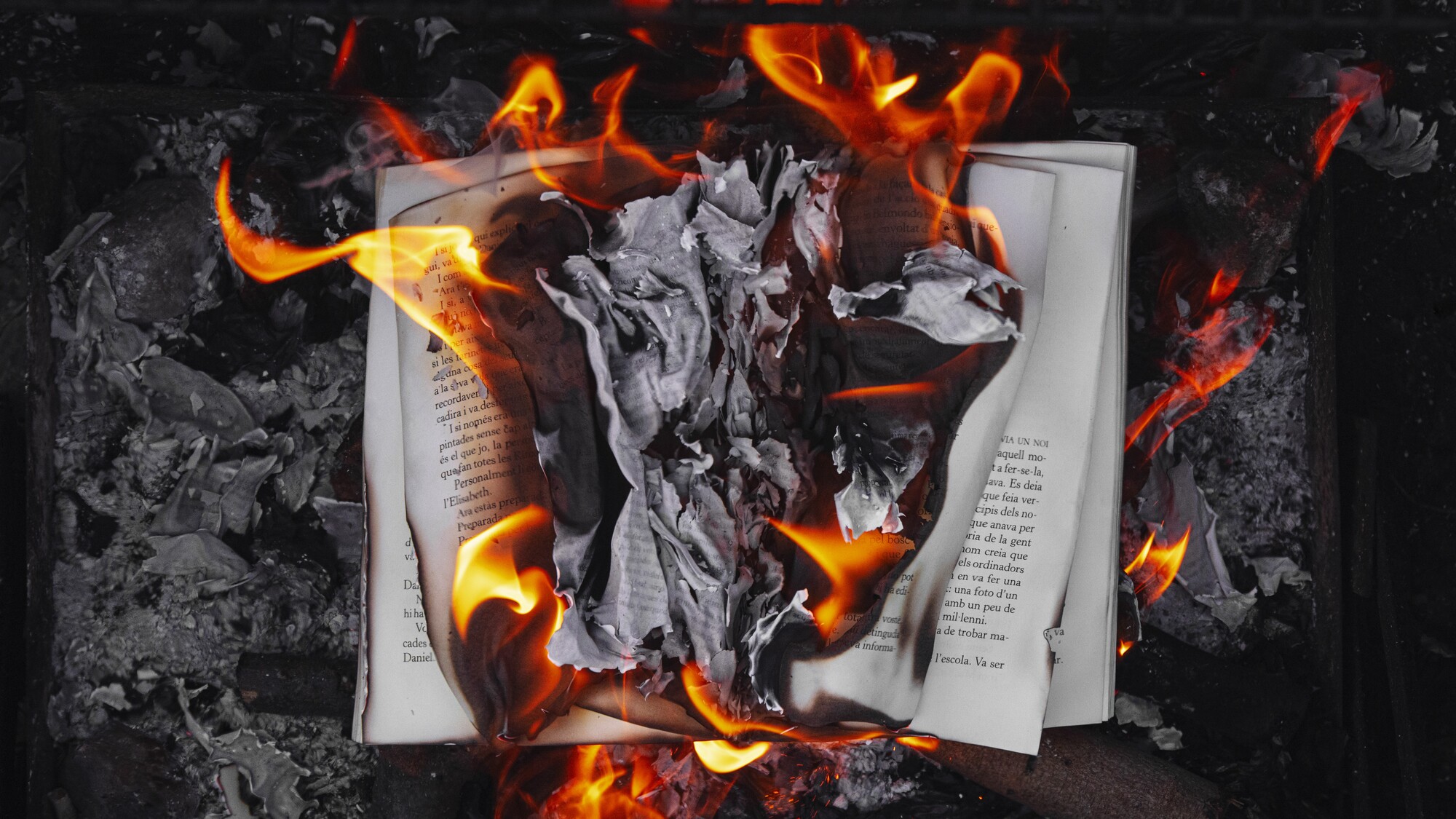
The targeting of books and literary infrastructure carries particular historical weight. Throughout history, authoritarian regimes have recognized the power of literature and sought to control or destroy it. The burning of books has long served as a symbol of cultural suppression, from ancient times through the Nazi book burnings of the 1930s. Contemporary attacks on Ukrainian publishing facilities echo these dark historical precedents, representing an assault not just on commerce but on national identity and intellectual freedom.
Impact on Ukraine’s Literary Renaissance
The timing of these attacks is particularly cruel given that Ukraine was experiencing a remarkable literary renaissance in the years preceding and even during the conflict. Ukrainian-language publishing had been growing steadily, with increased demand for books in the national language and a flourishing community of young authors gaining international recognition. The war itself had paradoxically intensified interest in Ukrainian literature both domestically and abroad, with translations of Ukrainian works reaching new audiences worldwide.
The “Book Country” festival, known in Ukrainian as “Knyzhkova Kraina,” has been instrumental in this cultural revival. The event typically features book presentations, author readings, workshops, and discussions that celebrate Ukrainian literary achievement. The absence of major publishers from this year’s event will undoubtedly diminish its impact and serves as a stark reminder of the ongoing costs of the conflict. Nevertheless, organizers and remaining participants have vowed to continue, viewing the festival itself as an act of cultural resistance.
International Response and Solidarity
The international publishing community has responded to Ukraine’s losses with various solidarity initiatives. Publishing houses in Europe and North America have established partnerships with Ukrainian counterparts, offering printing facilities, distribution networks, and financial support. Some organizations have launched efforts to digitize Ukrainian works to ensure their preservation regardless of physical destruction. Literary organizations worldwide have also amplified Ukrainian voices through translation programs and international book fairs.
Despite these efforts, industry analysts warn that rebuilding Ukraine’s publishing infrastructure will require years of sustained investment and support. The immediate priority remains protecting remaining facilities and stockpiles, but long-term recovery will demand significant resources. As one publishing executive noted, books represent the memory and imagination of a nation, and their destruction aims to erase both past and future simultaneously.
Expert Opinion: The systematic destruction of publishing infrastructure represents a calculated effort to undermine Ukrainian cultural sovereignty beyond the immediate military conflict. With 9 million books destroyed in a single summer, we are witnessing not collateral damage but cultural erasure on an industrial scale. The international community must recognize that protecting cultural assets is inseparable from protecting civilian populations, and post-war reconstruction must prioritize rebuilding Ukraine’s literary ecosystem as a cornerstone of national recovery.