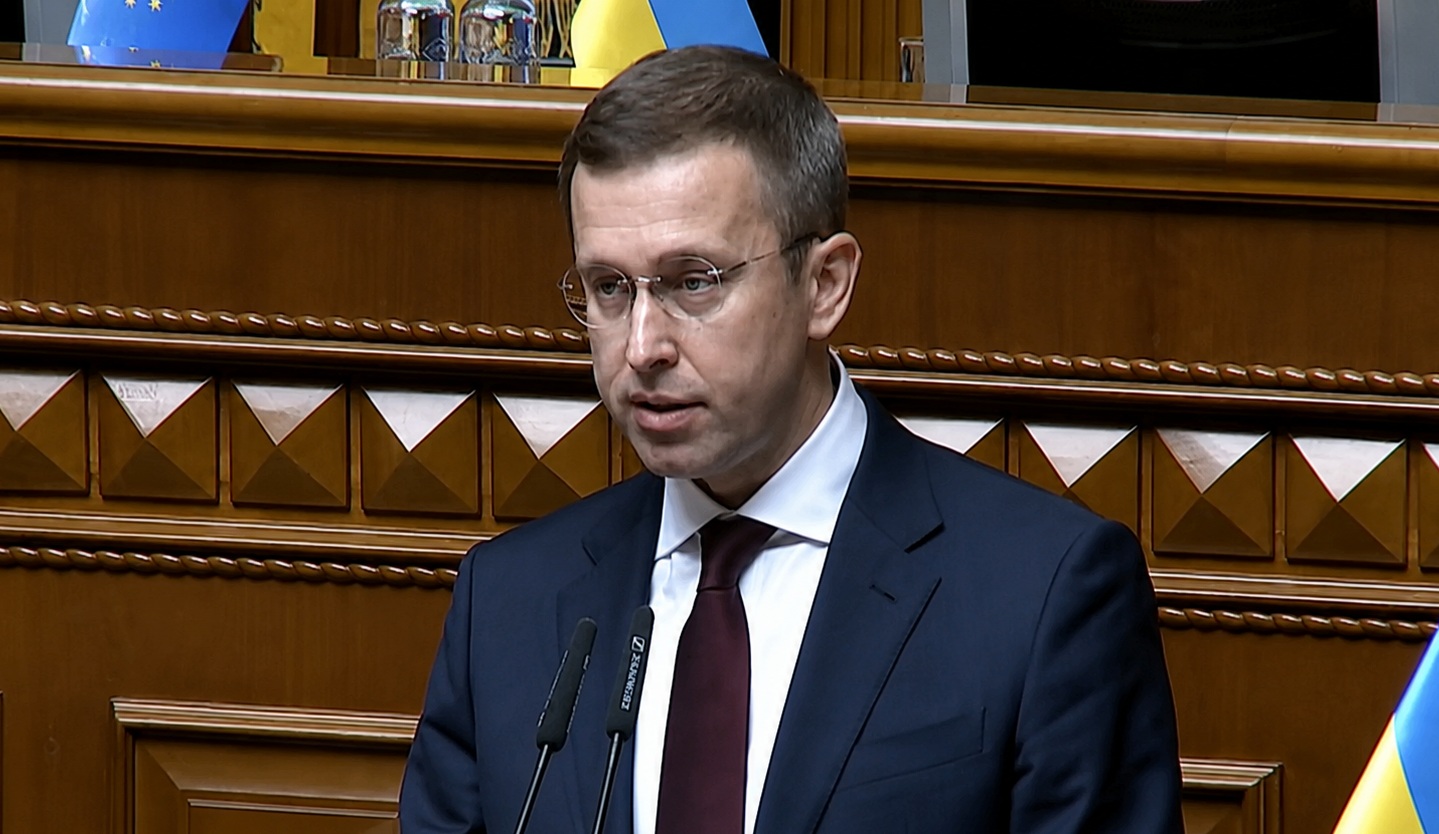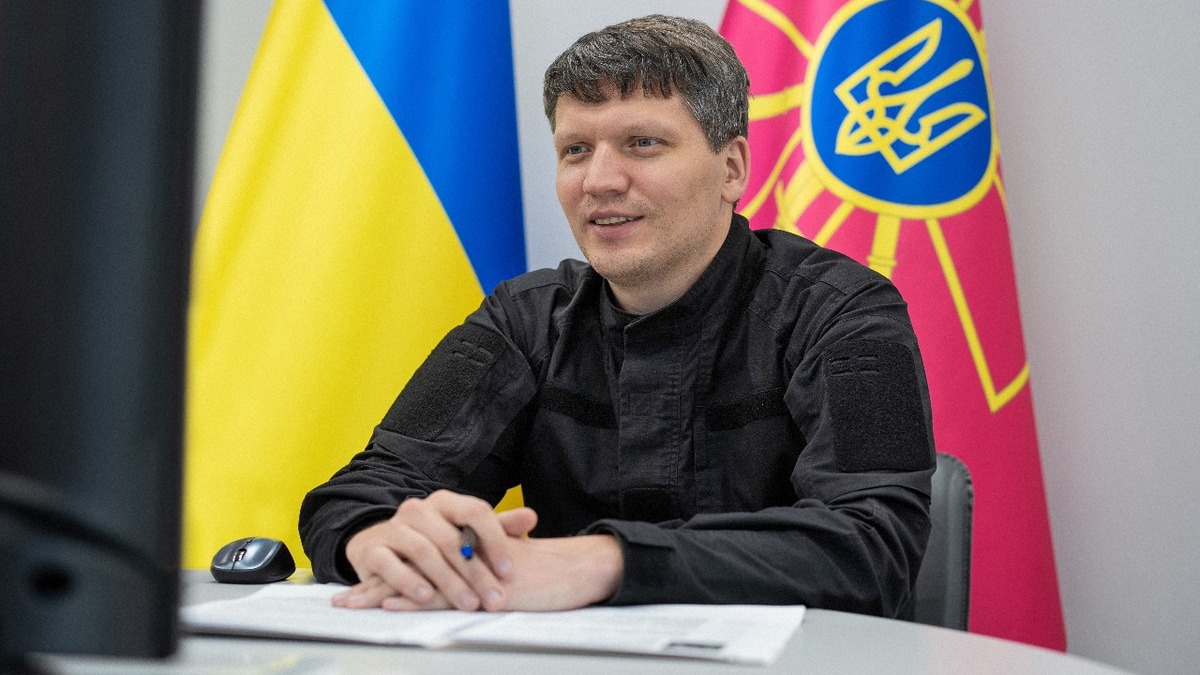
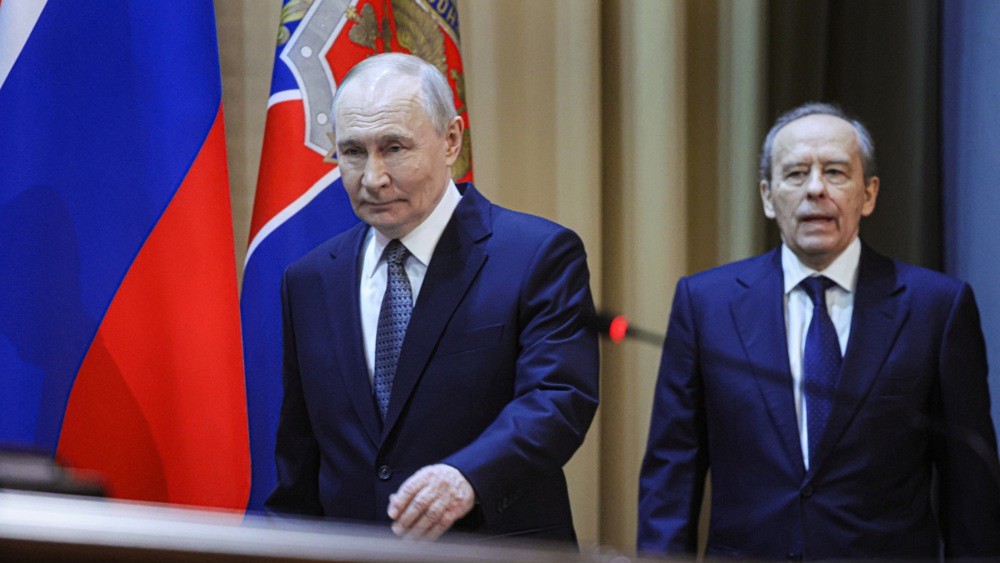
In a significant diplomatic development that underscores the intensifying back-channel communications between Washington and Moscow, CIA Director John Ratcliffe reportedly met with Alexander Bortnikov, the director of Russia’s Federal Security Service (FSB), to deliver a pointed message about the trajectory of the ongoing conflict in Ukraine. According to reporting from The New York Times, the American intelligence chief presented his Russian counterpart with what was described as a sobering assessment of Russia’s deteriorating position in both the military campaign and the broader economic sphere, signaling Washington’s view that the war must come to a conclusion.
The meeting between the two spy chiefs represents one of the most direct high-level contacts between American and Russian officials since the full-scale invasion of Ukraine began in February 2022. Bortnikov, who has led the FSB since 2008 and is considered one of the most powerful figures in Vladimir Putin’s inner circle, has rarely been the public face of diplomatic engagements. His selection as Ratcliffe’s interlocutor suggests that Moscow views these discussions as serious enough to warrant engagement at the highest levels of its intelligence apparatus.
The Strategic Calculus Behind Intelligence Channel Diplomacy
The use of intelligence chiefs rather than foreign ministers or other diplomatic personnel for such sensitive communications is a well-established practice during periods of heightened tension between major powers. During the Cold War, back-channel communications through intelligence services often proved more productive than formal diplomatic exchanges, as they allowed both sides to speak more candidly without the constraints of public positioning. The choice to route this particular message through the CIA-FSB channel indicates that both Washington and Moscow recognize the need for frank discussions away from the public spotlight.
Ratcliffe’s reported message focused on presenting Russia with a realistic picture of its current situation. According to sources familiar with the exchange, the CIA director outlined data suggesting that Russia’s military operations in Ukraine have reached a point of diminishing returns, with mounting casualties, equipment losses, and logistical challenges that strain Moscow’s ability to sustain the conflict indefinitely. Additionally, the economic pressures resulting from Western sanctions, while not crippling the Russian economy entirely, have created long-term structural problems that will be difficult to reverse.
Economic Pressures and Military Realities
The economic dimension of Ratcliffe’s message likely addressed several key vulnerabilities in Russia’s position. Since the imposition of comprehensive Western sanctions in 2022, Russia has seen a significant brain drain as educated professionals fled the country, restrictions on access to advanced technology have hampered military production, and the rerouting of energy exports away from European markets has come at considerable cost. While Russia has demonstrated resilience through partnerships with China, India, and other nations willing to purchase its commodities, economists note that these arrangements often come with steep discounts and do not fully compensate for lost Western markets.
On the military front, Western intelligence assessments have consistently highlighted the enormous human cost Russia has borne in Ukraine. Casualty figures remain disputed, but even conservative estimates suggest hundreds of thousands of Russian soldiers have been killed or wounded since the invasion began. The Russian military has also lost substantial quantities of advanced equipment, including modern tanks, aircraft, and precision-guided munitions that cannot be easily replaced given current sanctions on technology imports. These losses have forced Moscow to increasingly rely on older Soviet-era equipment and to seek ammunition supplies from partners like North Korea.
Implications for Peace Negotiations
The timing of this intelligence channel engagement comes amid renewed international discussion about potential pathways to ending the conflict. The Trump administration has signaled its desire to facilitate negotiations between Russia and Ukraine, though the specifics of any potential settlement remain highly contentious. Ukraine has insisted on the restoration of its territorial integrity, while Russia has demanded recognition of its territorial annexations and guarantees against Ukrainian NATO membership. Bridging these positions represents an enormous diplomatic challenge.
The message delivered through Ratcliffe to Bortnikov appears designed to shape Russia’s calculations as these discussions intensify. By presenting Moscow with a clear-eyed assessment of its situation from the American intelligence community’s perspective, Washington may be attempting to create conditions for more realistic Russian engagement in potential peace talks. Whether this approach will prove effective remains to be seen, as the Kremlin has historically shown reluctance to accept Western characterizations of its military performance or economic outlook.
Expert Opinion: This high-level intelligence channel communication signals a significant shift in American diplomatic strategy, prioritizing direct engagement with Russia’s security establishment over traditional foreign ministry channels. The choice of Bortnikov as the Russian interlocutor suggests Moscow is taking these overtures seriously, though whether Putin is prepared to accept the unfavorable assessment presented by Ratcliffe remains the critical unknown variable that will determine whether these contacts lead to meaningful progress toward ending the conflict.