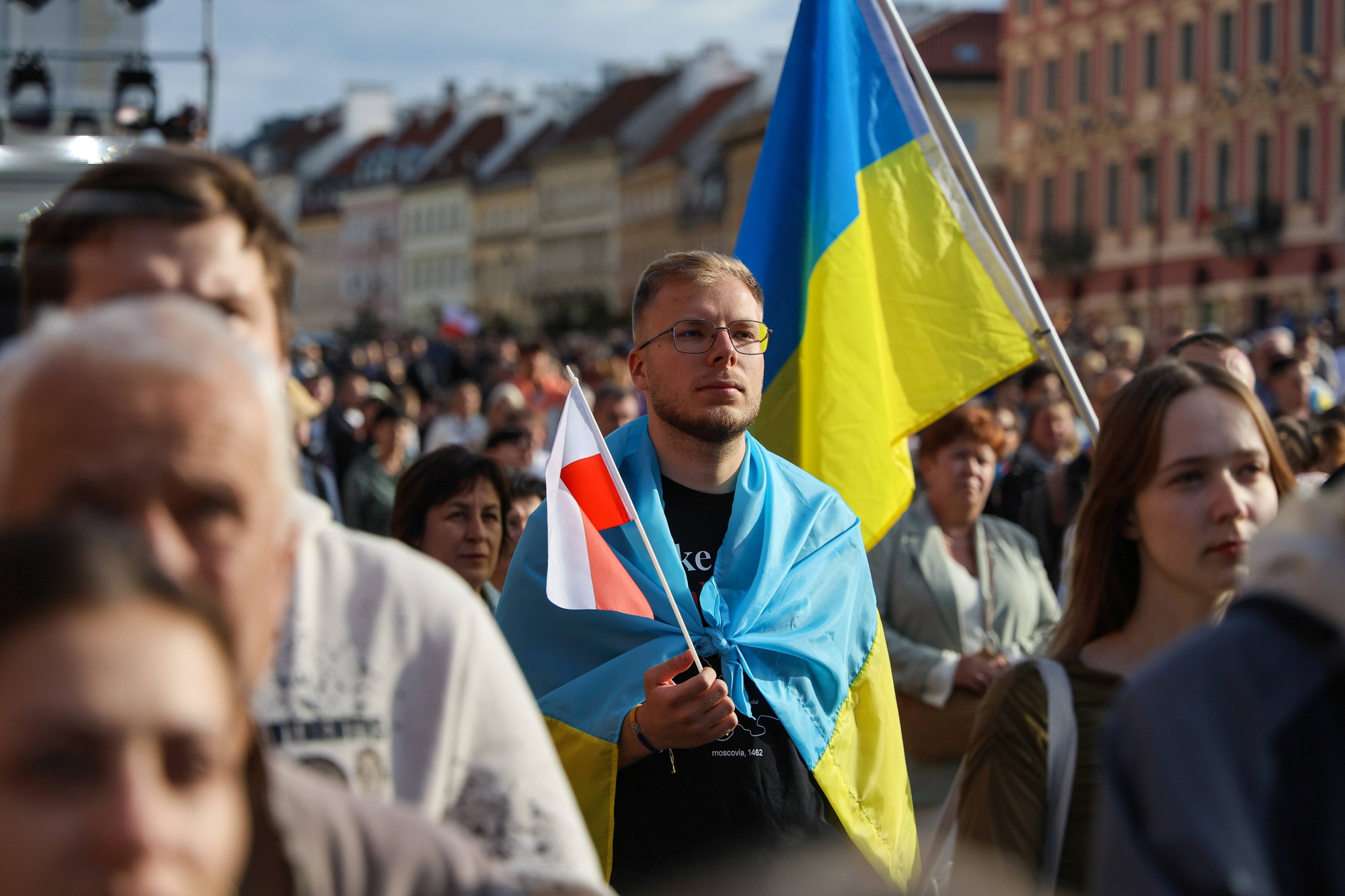

For too long, governments have viewed their overseas communities primarily as untapped resources waiting to be exploited — sources of remittances, political lobbying power, and international pressure. Ukraine is no exception to this pattern. However, as the country faces unprecedented challenges amid ongoing conflict and the need for post-war reconstruction, experts argue that this transactional approach to diaspora relations is fundamentally flawed and must be replaced with a more sophisticated, project-based strategy that treats overseas Ukrainians as genuine partners rather than passive assets.
The Ukrainian diaspora represents one of the largest and most geographically dispersed communities in the world. Estimates suggest that between 10 and 20 million people of Ukrainian descent live outside the country’s borders, with significant populations in Canada, the United States, Poland, Germany, the United Kingdom, and dozens of other nations. This community has grown substantially since February 2022, when Russia’s full-scale invasion triggered the largest refugee crisis in Europe since World War II, displacing millions of Ukrainians to neighboring countries and beyond.
The Evolution of Diaspora Engagement
Historically, Ukraine’s approach to its diaspora has oscillated between periods of active engagement and benign neglect. During the Soviet era, connections with overseas Ukrainians were severely restricted, and many diaspora communities developed independently, maintaining Ukrainian language, culture, and traditions without any support from the homeland. After independence in 1991, successive Ukrainian governments made sporadic efforts to reconnect with these communities, but these initiatives often lacked consistency and long-term vision. The diaspora was frequently approached only during crises or when immediate support was needed, creating a pattern of transactional relationships that left many overseas Ukrainians feeling like they were valued only for their wallets or their votes in foreign elections.
The transformation of this relationship requires understanding that modern diasporas are not monolithic entities but complex, multi-generational communities with diverse needs, capabilities, and levels of connection to the homeland. Fourth-generation Ukrainian-Canadians who have never visited Ukraine have different relationships with the country than recently arrived refugees in Poland. Successful diaspora engagement must account for these differences and offer meaningful ways for all members to participate in Ukraine’s development, regardless of their geographic location or the depth of their cultural ties.
Building Sustainable Partnerships
Experts in diaspora studies emphasize that effective engagement requires moving beyond the resource extraction model toward genuine partnership. This means creating institutional frameworks that allow diaspora members to contribute their expertise, not just their finances. Ukrainian professionals working in technology, medicine, law, and business across the world possess invaluable knowledge and networks that could accelerate Ukraine’s modernization and European integration. Many are eager to contribute but lack clear pathways to do so. Establishing professional diaspora networks, creating advisory bodies that include overseas Ukrainians, and developing dual citizenship policies could unlock this potential.
Furthermore, the emotional and psychological dimensions of diaspora engagement cannot be overlooked. Many overseas Ukrainians, particularly recent refugees, grapple with complex feelings of guilt, disconnection, and uncertainty about their relationship with the homeland. Government communications that treat them purely as fundraising targets or political instruments can deepen these feelings of alienation. Instead, Ukraine needs to invest in cultural programming, educational exchanges, and community-building initiatives that strengthen emotional bonds and create a sense of shared purpose and belonging.
Lessons from Other Nations
Ukraine can learn valuable lessons from countries that have successfully transformed their diaspora relationships. Israel’s approach to engaging Jewish communities worldwide, India’s sophisticated diaspora outreach programs, and Ireland’s strategic engagement with its global community all offer models worth studying. These nations have invested in dedicated institutions, developed comprehensive legal frameworks, and created multiple channels for diaspora participation in national life. They understand that diaspora engagement is not a cost but an investment that yields returns far exceeding the initial outlay. As Ukraine rebuilds and reforms, integrating diaspora voices into policy discussions, reconstruction planning, and national development strategies will be essential for creating the inclusive, democratic society that Ukrainians at home and abroad are fighting to build.
Expert Opinion: The countries that successfully leverage their diaspora communities treat them as strategic partners in nation-building rather than distant ATMs. Ukraine’s post-war recovery will depend significantly on whether it can transform millions of displaced citizens and heritage communities into active stakeholders in reconstruction. Those nations that invest in genuine two-way relationships with their overseas populations consistently outperform those that maintain purely extractive approaches, suggesting Ukraine’s diaspora policy choices today will shape its development trajectory for decades to come.