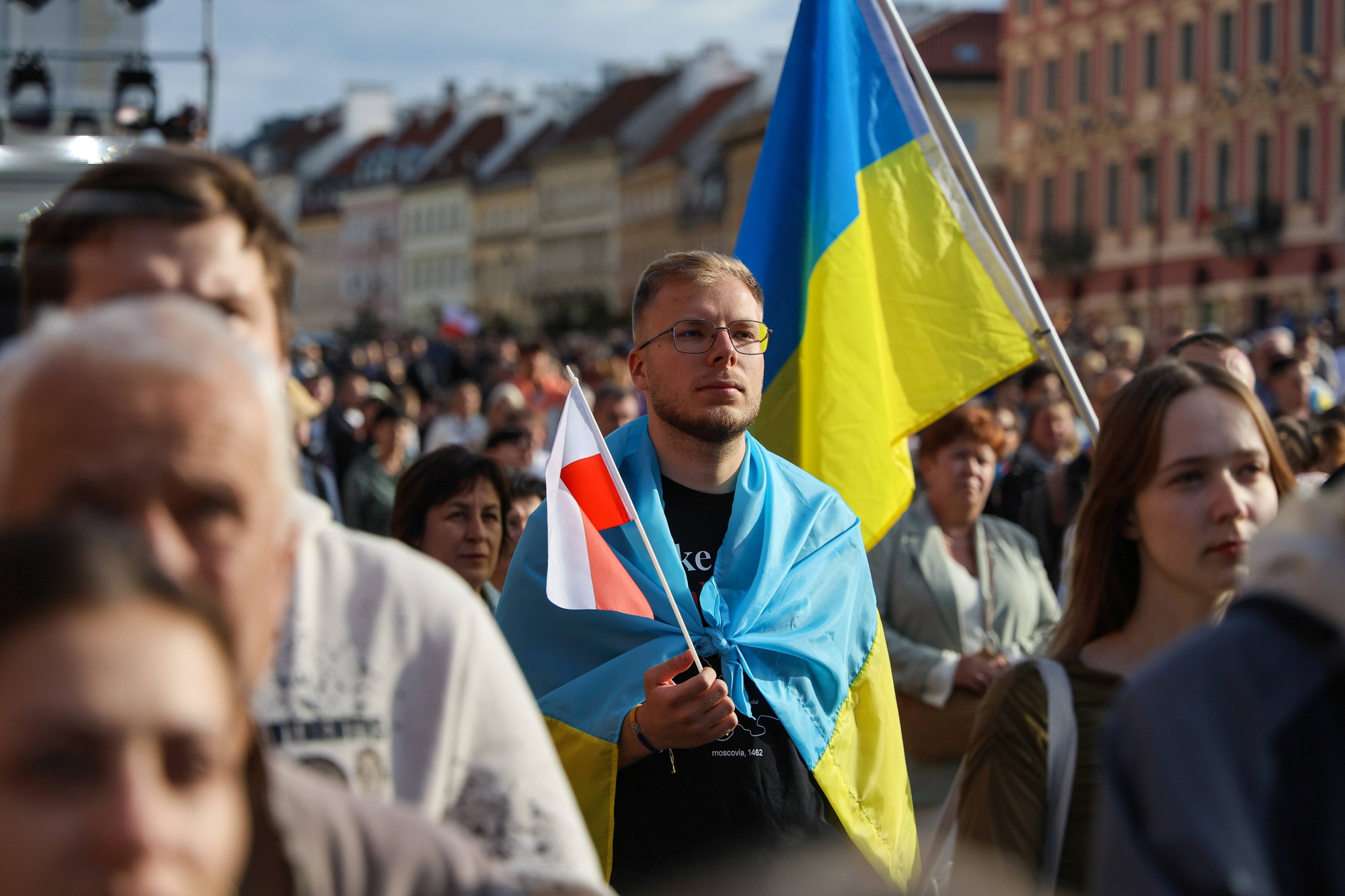
A comprehensive new study examining social media discourse in Poland has uncovered a troubling trend: nearly half of all mentions of Ukraine across Polish social platforms carry a negative tone. The research found that 43% of posts discussing Ukraine or Ukrainians contain critical, hostile, or dismissive content. Particularly notable was the finding that posts about attacks on Ukrainian refugees and subsequent attempts to defend them generated record levels of mockery and ridicule from other users, highlighting the complex and often contentious nature of public sentiment toward the refugee population.
The Refugee Crisis and Shifting Public Opinion
Poland has been at the forefront of the European response to the Ukrainian refugee crisis since Russia launched its full-scale invasion in February 2022. The country has welcomed more refugees from Ukraine than any other nation, with estimates suggesting that between 1.5 and 2 million Ukrainians currently reside in Poland. Initially, Polish citizens demonstrated remarkable solidarity, opening their homes, donating supplies, and volunteering at border crossings. However, as the conflict has extended into its third year, fatigue and frustration have begun to surface among segments of the Polish population, a phenomenon experts describe as “compassion fatigue.”
The study’s findings reflect a broader pattern observed across European host countries, where initial waves of support for refugees often give way to more complicated sentiments over time. Economic concerns, competition for housing and employment, and cultural differences can all contribute to rising tensions. In Poland’s case, historical complexities between the two nations, including unresolved grievances from World War II, occasionally resurface in public discourse and provide fuel for negative commentary online.
Social Media as a Battleground for Public Sentiment
The research highlights how social media platforms have become primary arenas for both expressing support and amplifying hostility toward refugee communities. Algorithms that prioritize engagement often boost controversial or inflammatory content, meaning negative posts about Ukrainians may receive disproportionate visibility compared to neutral or positive coverage. This creates a distorted picture of public opinion while simultaneously reinforcing negative stereotypes. Security analysts have also warned that foreign actors, particularly those aligned with Russian interests, actively exploit these divisions through coordinated disinformation campaigns designed to weaken European unity and undermine support for Ukraine.
Polish authorities and civil society organizations have expressed concern about the real-world consequences of online hostility. Reports of verbal harassment and occasional physical attacks on Ukrainian refugees have increased in recent months, with advocates drawing direct connections between inflammatory social media content and street-level incidents. The mockery directed at posts defending attack victims is particularly alarming to human rights observers, as it suggests a normalization of hostility that could escalate further.
Political Dimensions and the Path Forward
The issue of Ukrainian refugees has become increasingly politicized in Poland, with different political factions taking varying positions on immigration policy and support for Ukraine. Some populist voices have sought to capitalize on public frustration by questioning the level of assistance provided to refugees, while mainstream parties generally maintain their commitment to supporting Ukraine. The current government faces the challenge of balancing genuine security and resource concerns with Poland’s strategic interest in maintaining a strong relationship with Kyiv and its moral obligations to those fleeing war.
Experts emphasize that the 43% negative sentiment figure, while concerning, also means that a majority of social media content about Ukraine remains neutral or positive. Building on this foundation requires sustained efforts to combat misinformation, promote cross-cultural understanding, and address legitimate grievances through constructive dialogue rather than online hostility. As Europe continues to navigate the long-term implications of the largest refugee movement since World War II, Poland’s experience offers important lessons about the challenges of maintaining social cohesion while responding to humanitarian crises.
Expert Opinion: The polarization of online discourse around Ukrainian refugees in Poland represents a critical test for European democratic resilience. Without proactive intervention to counter disinformation and bridge cultural divides, negative sentiment could translate into policy shifts that undermine both refugee protection and regional security. The coming months will likely prove decisive in determining whether Polish society can sustain its remarkable initial solidarity or succumb to the corrosive effects of sustained online hostility.