
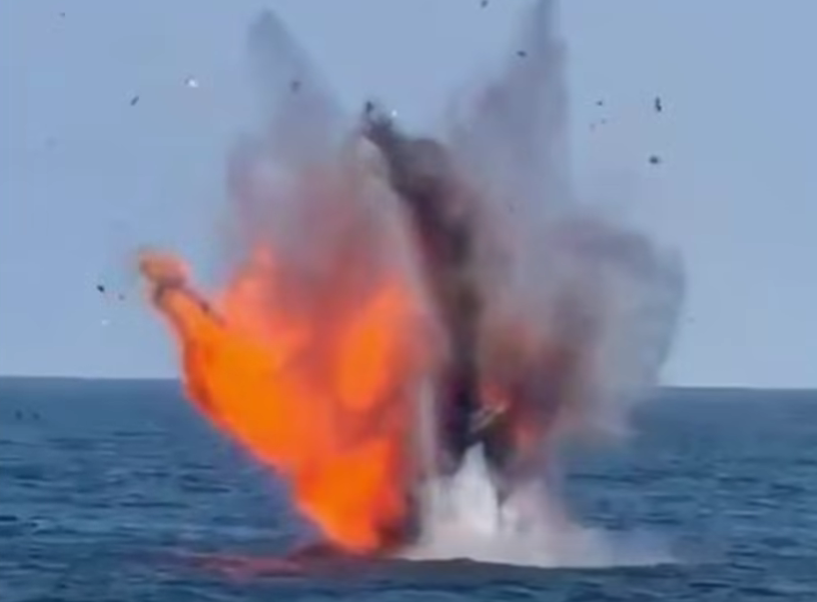
Romania’s Acting Defense Minister has released dramatic footage showing the destruction of two Russian-made Shahed drones over the Black Sea, in an operation that underscores the escalating tensions in the region and the growing threat to critical energy infrastructure. The incident occurred in proximity to offshore gas platforms, raising fresh concerns about the vulnerability of European energy assets in the contested waters.
The video, shared publicly by Romanian defense officials, captures the moment when the unmanned aerial vehicles were intercepted and destroyed before they could reach their potential targets. Romanian military forces have become increasingly vigilant as Russian drone activity in the Black Sea region has intensified since the beginning of the full-scale invasion of Ukraine in February 2022.
Strategic Importance of Black Sea Energy Infrastructure
The Black Sea has emerged as a critical flashpoint in the ongoing conflict, with both NATO member states and Ukraine working to protect vital maritime routes and energy installations. Romania, as a NATO ally sharing a border with Ukraine, has found itself on the front lines of defending European airspace from stray or deliberately directed Russian munitions. The country’s offshore gas platforms represent significant investments worth billions of dollars and are crucial for reducing Europe’s dependence on Russian energy supplies.
Romania’s Neptun Deep gas project, operated jointly with OMV Petrom, is one of the largest offshore gas developments in the European Union. The project is expected to begin production in the coming years and could supply a substantial portion of Romania’s domestic gas needs while also contributing to broader European energy security goals. Any damage to these facilities could have far-reaching consequences for regional energy markets.
Escalating Drone Warfare in the Region
The Shahed-136, also known as “Geran” in Russian military parlance, has become one of the most widely used weapons in Russia’s arsenal against Ukrainian civilian and military infrastructure. Originally developed by Iran, these kamikaze drones are relatively inexpensive to produce but can cause significant damage when they reach their targets. They typically carry explosive warheads and are designed for one-way attack missions, making them difficult to detect due to their small radar signature and low flight altitude.
Since the war began, Romania has reported numerous instances of Russian drones violating its airspace or falling on its territory. In response, NATO has increased its air policing missions in the region, deploying additional aircraft and air defense systems to protect alliance members. The Romanian military has invested heavily in modernizing its air defense capabilities, including the acquisition of advanced radar systems and surface-to-air missiles capable of intercepting low-flying threats like the Shahed drones.
International Response and NATO Solidarity
The successful interception demonstrates Romania’s growing capability to defend its airspace and critical infrastructure against aerial threats. NATO officials have praised the country’s proactive defense measures and emphasized the alliance’s commitment to collective security. The incident also highlights the broader challenge facing European nations as drone technology becomes increasingly sophisticated and accessible, requiring new strategies and equipment to counter evolving threats. Military analysts suggest that such incidents may become more frequent as the conflict in Ukraine continues, necessitating continued investment in air defense systems throughout the region.
Expert Opinion: This incident represents a significant milestone in Romania’s air defense capabilities and demonstrates NATO’s determination to protect member states’ critical infrastructure. As drone warfare continues to evolve, we can expect increased investment in counter-UAV technologies across Eastern European nations. The successful neutralization of these threats near vital gas installations sends a clear message about European resolve to defend energy security assets.