
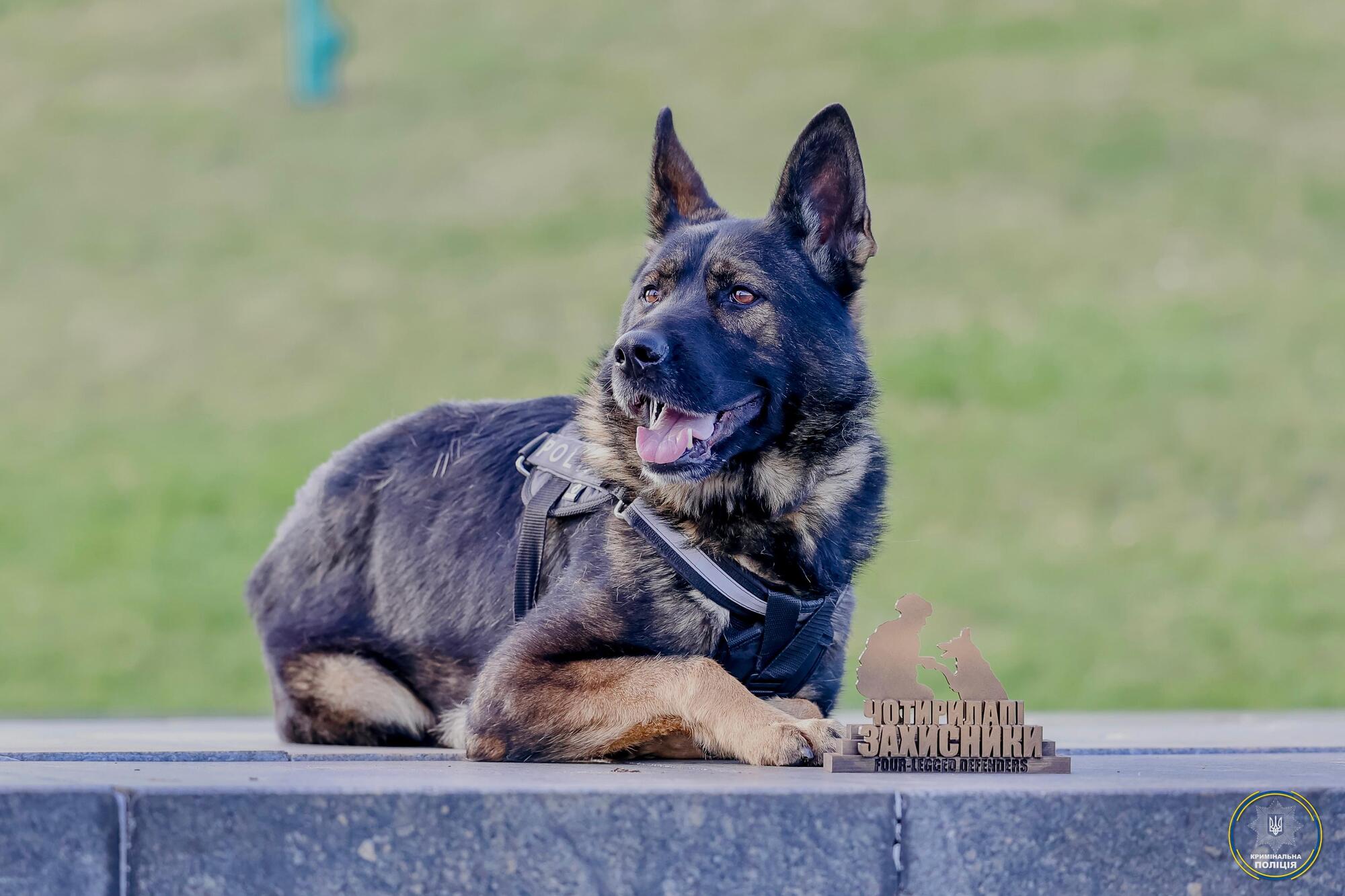
The canine units of Ukraine’s National Police have demonstrated remarkable effectiveness in search and rescue operations during the first half of the year, successfully locating 309 missing individuals. Among those found, 177 were children, highlighting the critical role these highly trained animals play in protecting the most vulnerable members of society. The statistics underscore the invaluable contribution of police dogs to public safety operations across the country.
The National Police canine service predominantly employs German Shepherds and Belgian Malinois, two breeds renowned worldwide for their exceptional tracking abilities, intelligence, and unwavering dedication to work. These breeds have been the backbone of police K-9 units globally for decades, with German Shepherds serving in law enforcement roles since the early 20th century. Belgian Malinois have gained increasing popularity in recent years due to their agility, endurance, and keen sense of smell, which is estimated to be between 10,000 to 100,000 times more sensitive than human olfaction.
The Science Behind Canine Search Capabilities
The remarkable success rate of police service dogs in locating missing persons stems from their extraordinary biological capabilities. A dog’s nose contains approximately 300 million olfactory receptors, compared to only about 6 million in humans. This allows them to detect and follow scent trails that would be completely imperceptible to human searchers. When a person goes missing, every minute counts, and trained police dogs can cover vast areas of terrain in a fraction of the time it would take human search teams, following scent particles that may be hours or even days old.
Training a police service dog typically takes between 12 to 24 months and involves rigorous programs that develop the animal’s natural abilities into reliable, professional skills. Handlers and their canine partners form deep bonds that enhance their effectiveness in the field. The dogs learn to identify human scent, track individuals through various terrains, and alert their handlers when they locate a missing person. This partnership between human expertise and canine instinct creates a powerful search and rescue tool that has saved countless lives.
Child Safety and Missing Persons Response
The fact that 177 of the 309 located individuals were children reflects both the vulnerability of young people and the priority placed on their rapid recovery. Children who wander away from home or become separated from caregivers face significant dangers, particularly in urban environments with traffic hazards or rural areas with natural obstacles such as forests, rivers, and difficult terrain. The swift deployment of canine units dramatically increases the chances of finding missing children before they come to harm.
Ukraine’s approach to missing persons cases, particularly involving minors, incorporates rapid response protocols that activate canine units within the crucial first hours of a disappearance. International research consistently shows that the first 24 to 48 hours are the most critical period in any missing persons case. During this window, scent trails remain fresh, and the likelihood of a positive outcome is significantly higher. The National Police’s investment in maintaining well-trained canine units reflects an understanding of these time-sensitive dynamics.
Ongoing Development and Future Prospects
The National Police continues to invest in expanding and improving its canine capabilities, recognizing the cost-effectiveness and reliability of these four-legged officers. Beyond search and rescue operations, police dogs in Ukraine serve in various capacities including narcotics detection, explosives identification, and patrol support. The success statistics from the first half of the year serve as a testament to the dedication of both the animals and their human handlers, who work tirelessly to protect communities and bring missing loved ones home safely. As technology continues to advance, the combination of traditional canine tracking methods with modern investigative tools promises even greater effectiveness in future search operations.
Expert Opinion: The impressive recovery rate of missing persons by police canine units demonstrates that despite technological advances in search methods, biological capabilities of trained dogs remain irreplaceable in emergency response. As climate change increases extreme weather events and social factors contribute to rising displacement, investment in K-9 programs will likely become even more critical for public safety agencies worldwide. Nations that maintain robust canine training programs today will be better positioned to handle complex search and rescue challenges in the coming decades.