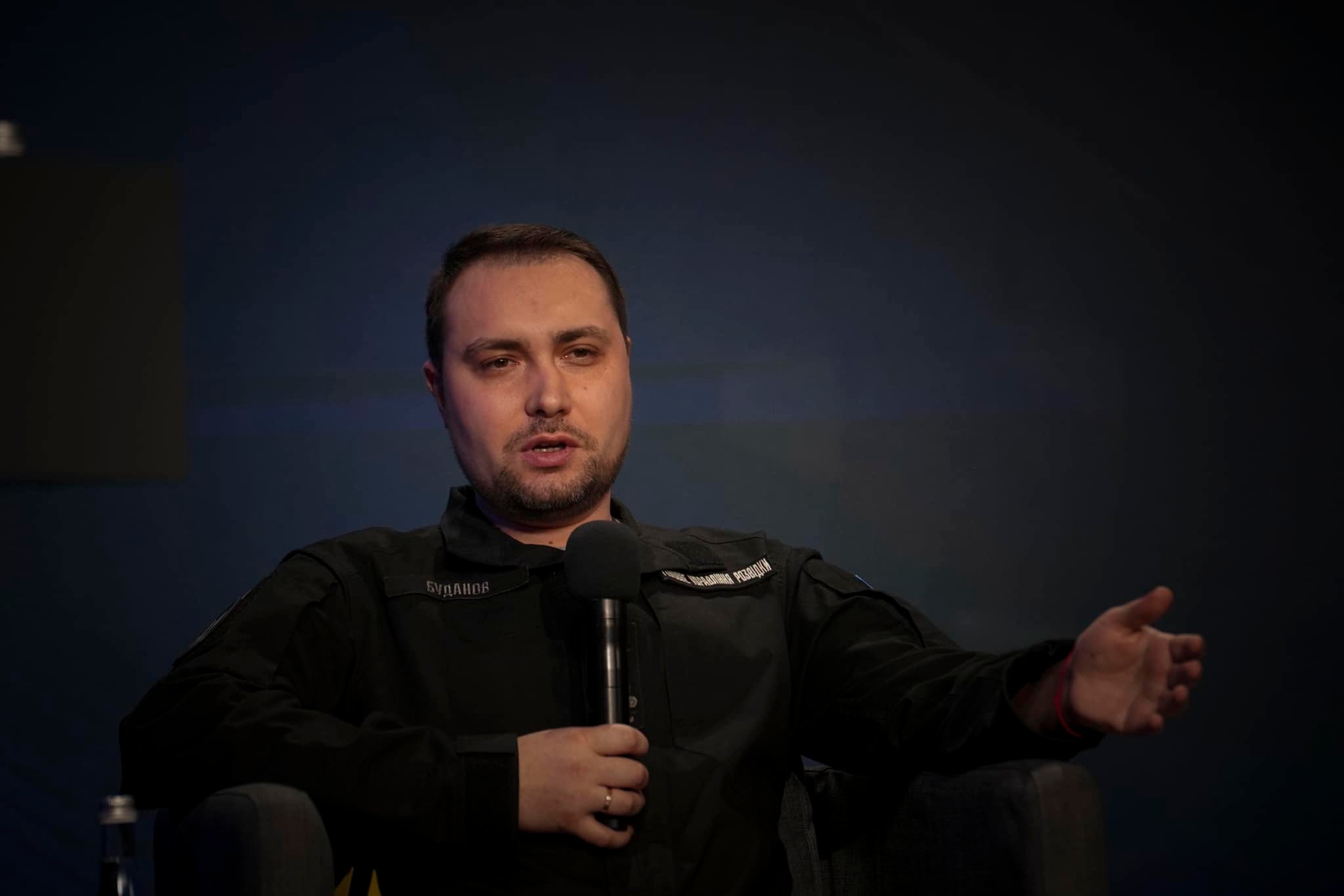
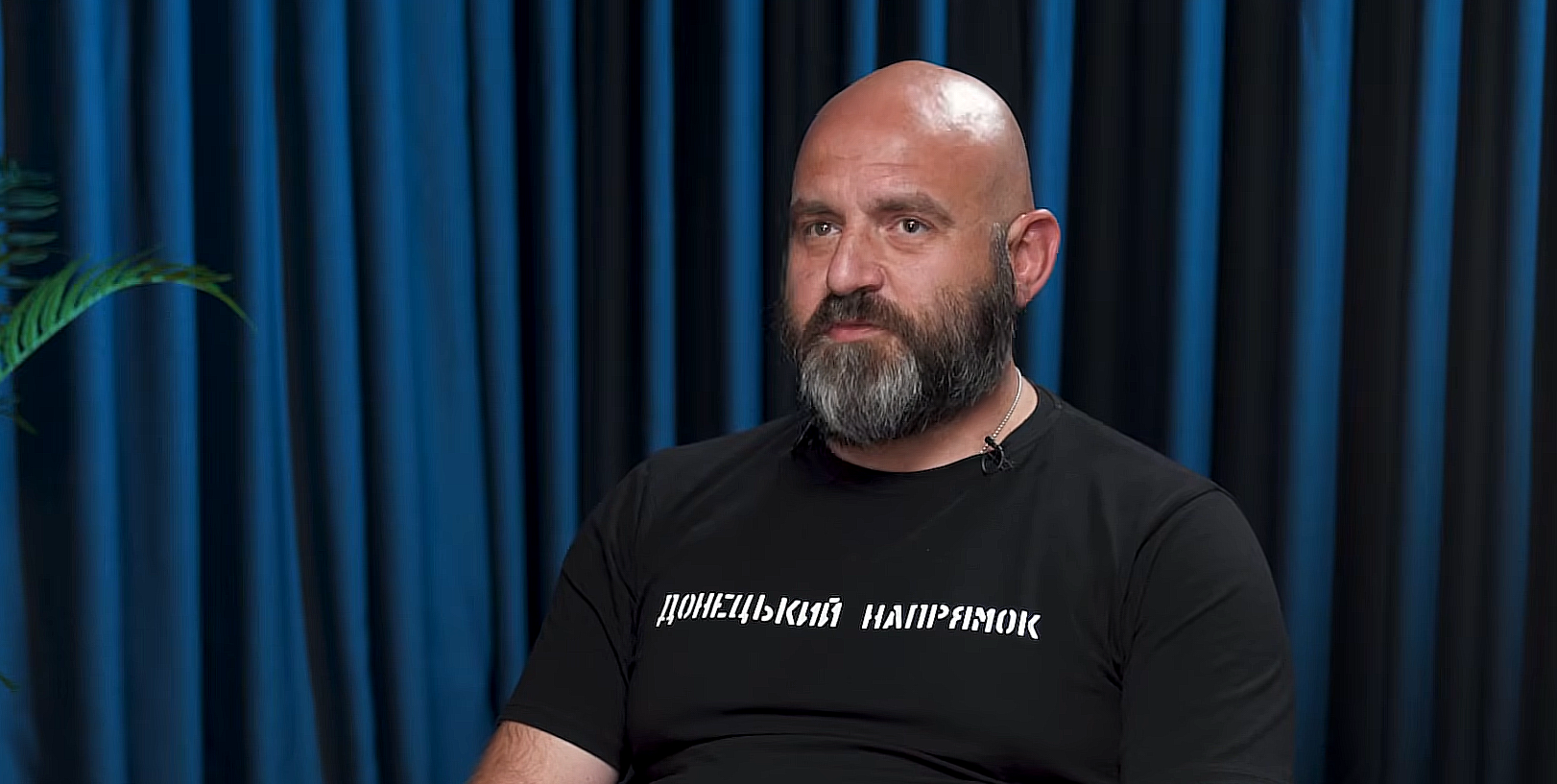
Ukrainian journalist and political analyst Pavel Kazarin has offered a thought-provoking perspective on what Ukrainian society might look like after the war ends, warning that the manner in which the conflict concludes could have profound implications for national unity. In a recent commentary, Kazarin suggested that if the terms of ending the war are perceived by Ukrainians as a defeat, the country could face a period of intense internal blame and division. However, he also noted that under what he termed “the umbrella of victory,” Ukrainian society would find room to accommodate diverse perspectives and experiences from the war years.
This analysis comes at a critical juncture in the ongoing conflict, as discussions about potential negotiations and peace terms have intensified on the international stage. The question of how wars end—and how those endings are perceived by the populations that fought them—has historically shaped nations for generations. Kazarin’s observations tap into deep concerns about the psychological and social aftermath that Ukraine will inevitably face, regardless of the military outcome on the battlefield.
The Psychology of War Endings and National Identity
The concept that Kazarin articulates draws from well-documented historical patterns. Societies that emerge from major conflicts with a sense of victory tend to develop unifying narratives that can accommodate different wartime experiences—those who fought on the front lines, those who volunteered in support roles, those who fled as refugees, and even those who remained in occupied territories. A perceived victory creates what sociologists call a “big tent” effect, where the national story is generous enough to include multiple perspectives without demanding strict accountability for individual choices made during extraordinary circumstances.
Conversely, when wars end in perceived defeat or ambiguous outcomes, societies often turn inward with recriminations. Historical examples abound: Germany after World War I experienced the “stab-in-the-back” myth that blamed certain groups for military failure, contributing to social division and eventually the rise of extremism. France after its defeat in 1940 spent decades grappling with questions of collaboration and resistance. These patterns suggest that how Ukrainians collectively interpret the war’s conclusion will be crucial for the country’s social cohesion in the decades ahead.
Current Divisions and Future Reconciliation
Ukrainian society has already shown remarkable resilience and unity since Russia’s full-scale invasion began in February 2022. However, fault lines exist beneath this wartime solidarity. Questions about who contributed enough to the war effort, debates over mobilization policies, tensions between those who stayed and those who left, and discussions about the treatment of people in occupied territories all represent potential sources of future conflict. Kazarin’s analysis suggests that these tensions could either be smoothed over by a victorious narrative or exacerbated by a sense of collective failure.
Political analysts have noted that Ukraine’s post-war trajectory will depend heavily on international support, reconstruction funding, and the country’s path toward European integration. A clear movement toward EU membership and NATO security guarantees could help frame even a difficult peace as a strategic victory, providing the positive narrative framework that Kazarin describes. Without such anchors, however, Ukrainians may struggle to find meaning in their sacrifices, potentially leading to the blame dynamics he warns against. The role of leadership in shaping these narratives will be crucial, as political figures will face the challenge of acknowledging losses while maintaining hope for the future.
Building a Unified Post-War Society
Experts in post-conflict reconciliation emphasize that the groundwork for healing must begin before hostilities end. This includes developing inclusive language about wartime experiences, creating frameworks for addressing trauma, and establishing institutions that can handle difficult questions about accountability without tearing society apart. Ukraine has already begun some of this work through various civil society initiatives and governmental programs aimed at veterans’ reintegration and displaced persons’ support. The challenge will be scaling these efforts to meet the enormous need that will exist once the fighting stops, while navigating the political sensitivities that Kazarin identifies.
Expert Opinion: Kazarin’s framework highlights a critical truth about post-war societies: the interpretation of conflict outcomes matters as much as the outcomes themselves. Ukraine’s leadership and international partners must work now to create conditions where any reasonable peace settlement can be framed as a foundation for future strength rather than a cause for recrimination. The country’s ability to maintain unity through the transition from war to peace may ultimately determine whether the sacrifices of this generation lead to lasting national resilience or prolonged internal division.