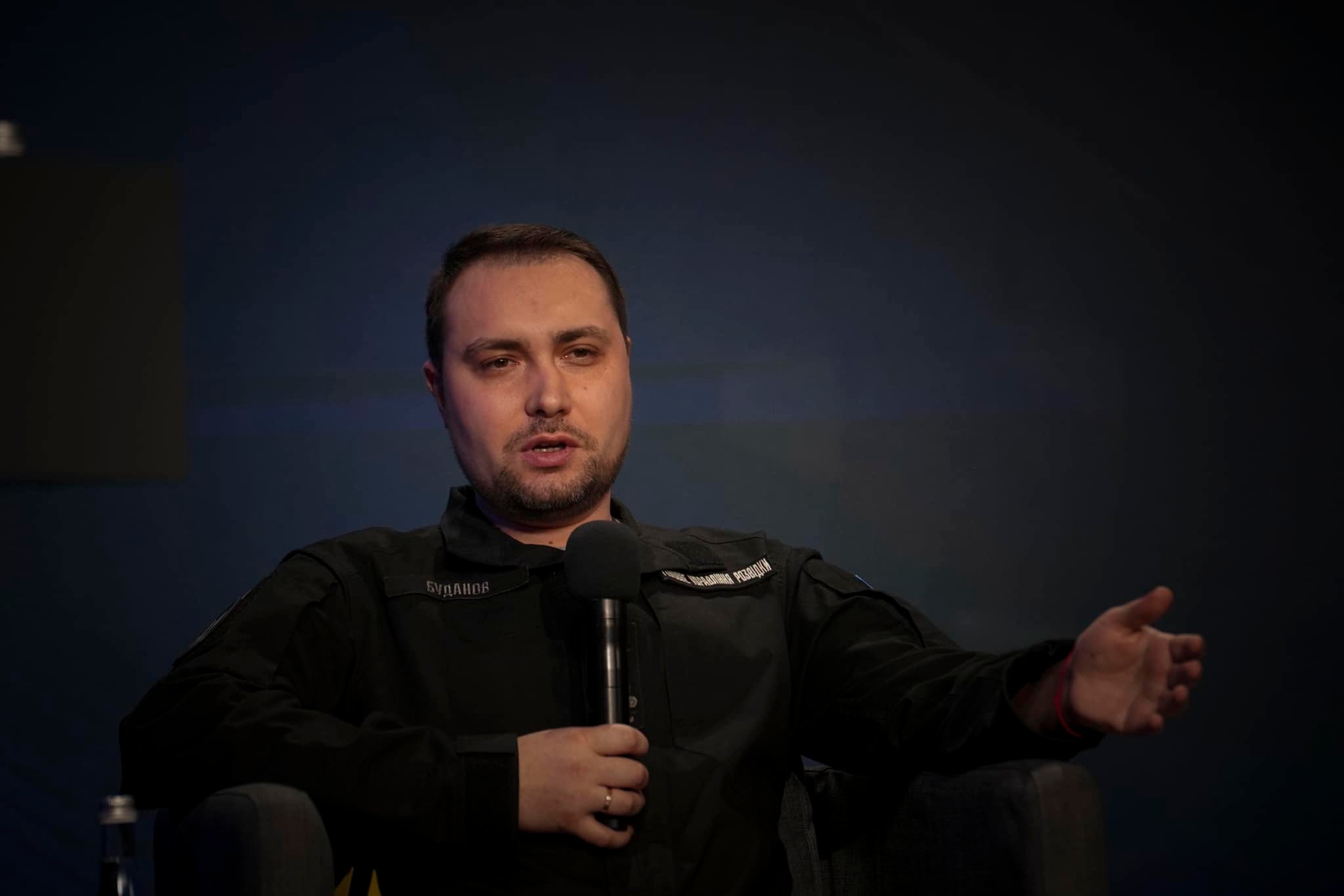
In a significant development that has sparked intense debate within Ukrainian political circles, Kyrylo Budanov, the head of Ukraine’s Main Intelligence Directorate (HUR), has publicly expressed his disagreement with a recent high-profile dismissal, calling for national unity and redirecting energy toward combating Russian forces. The statement comes amid growing tensions within Ukraine’s wartime government structure, raising questions about internal cohesion during one of the most critical periods in the nation’s modern history.
The controversy centers around the dismissal of a key government official, with Budanov’s public comments representing a rare instance of open disagreement among top Ukrainian leadership. Andriy Yermak, the influential Head of the Presidential Office, responded to the situation by commenting on “discussions surrounding state governance” while notably avoiding taking a direct stance on either side of the dispute. This careful diplomatic approach suggests the matter remains sensitive at the highest levels of Ukrainian government.
Internal Tensions Amid Wartime Pressures
The public airing of disagreements among Ukrainian officials is particularly noteworthy given the country’s ongoing full-scale war with Russia, now entering its fourth year since the February 2022 invasion. Throughout the conflict, Ukrainian leadership has generally maintained a unified public front, understanding that any appearance of internal discord could be exploited by Russian propaganda efforts. Budanov’s decision to voice his concerns publicly indicates the depth of feeling surrounding this particular personnel decision.
Kyrylo Budanov has emerged as one of Ukraine’s most prominent wartime figures, known for his intelligence agency’s bold operations behind enemy lines and his surprisingly accurate predictions about Russian military movements. The 39-year-old general has cultivated a reputation for directness and has become something of a public figure, unusual for an intelligence chief. His willingness to publicly disagree with government decisions carries significant weight given his standing both domestically and internationally.
The Role of the Presidential Office
Andriy Yermak’s measured response to the controversy reflects the delicate balance the Presidential Office must maintain during wartime. As one of President Volodymyr Zelensky’s closest advisors and most powerful officials, Yermak wields considerable influence over both domestic and foreign policy matters. His decision not to publicly side with either party in the dispute suggests an attempt to de-escalate tensions while preserving working relationships among key government figures.
The Presidential Office has faced periodic criticism throughout the war regarding personnel decisions and the concentration of power within a relatively small circle of officials. However, supporters argue that wartime conditions necessitate streamlined decision-making and that the government has largely performed effectively under extraordinarily difficult circumstances. The current disagreement adds another layer to ongoing debates about governance structures during existential national crises.
Historical Context and Looking Forward
Ukraine has experienced numerous political crises throughout its post-Soviet history, including the Orange Revolution of 2004 and the Euromaidan protests of 2013-2014. However, the current situation differs fundamentally due to the existential threat posed by Russian aggression. Previous internal disputes occurred during peacetime; today’s disagreements unfold while the country fights for its survival. This context makes Budanov’s call to focus energy on “fighting the occupier” particularly resonant, as it frames the internal dispute within the larger struggle against Russian invasion.
As Ukraine continues to defend its territory and works to maintain international support for its war effort, the resolution of internal governmental tensions remains crucial. Western allies, who have provided billions in military and economic assistance, closely monitor Ukrainian political stability as a factor in their continued support. The coming weeks will likely reveal whether this public disagreement represents a temporary friction point or signals deeper structural challenges within Ukraine’s wartime leadership.
Expert Opinion: This rare public display of disagreement among Ukraine’s top officials, while concerning on the surface, may actually indicate a healthy democratic process functioning even under wartime conditions. The key metric to watch is whether Ukrainian leadership can resolve internal tensions quickly while maintaining operational effectiveness against Russian forces. If managed properly, such debates could strengthen governance mechanisms; if allowed to fester, they risk undermining the unified command structure essential for military success.