Ukraine remains without a permanent Minister of Defense, creating an unusual leadership vacuum at a critical moment in the ongoing war with Russia. The delay in appointing a new defense chief has sparked intense speculation about the internal dynamics within Ukraine’s political and military leadership. At the center of this controversy stands Commander-in-Chief Oleksandr Syrskyi, whose position has become a subject of heated debate both within Ukraine and among its international partners. President Volodymyr Zelensky, despite growing pressure from various quarters, has shown no indication that he is prepared to remove the top general from his post.
The Ministerial Vacancy and Political Calculations
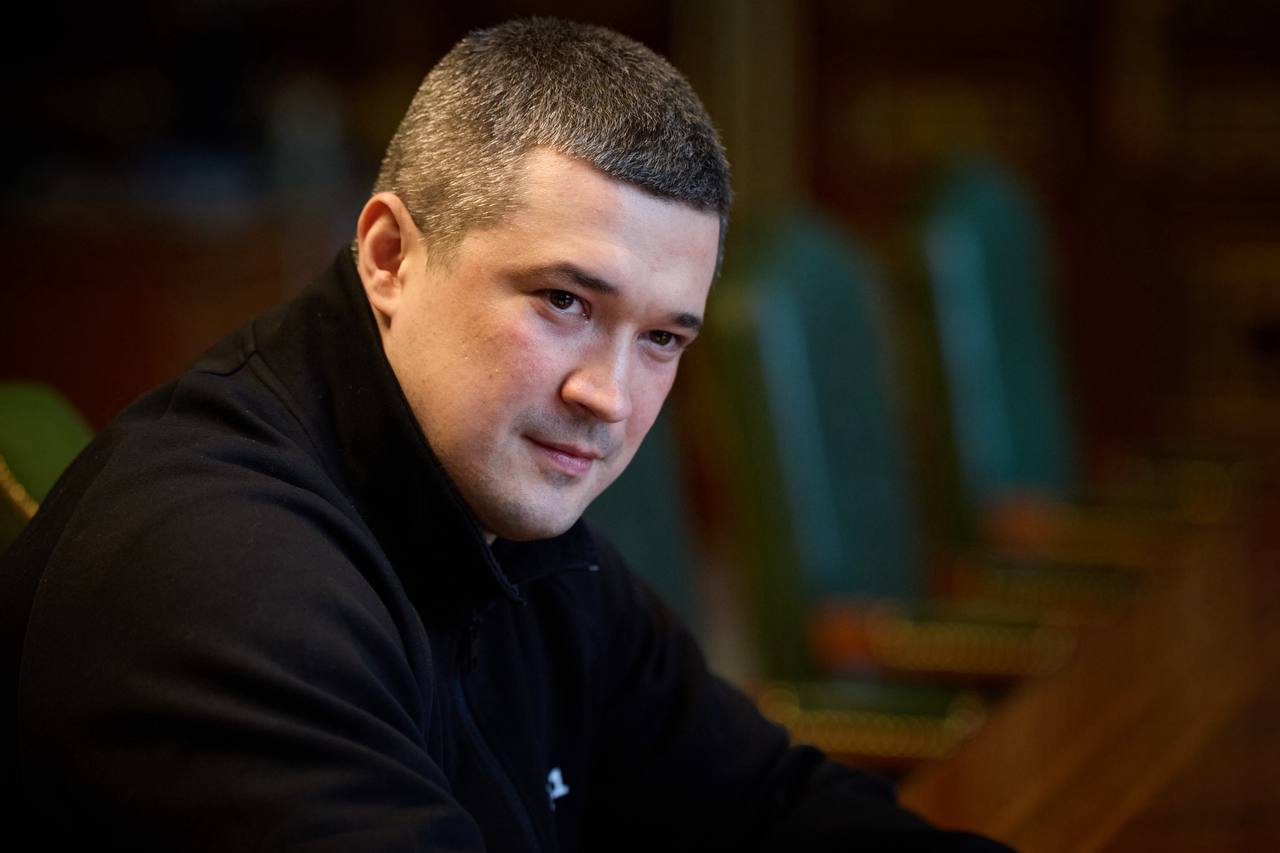
The position of Ukraine’s Defense Minister has remained vacant for an extended period, an unprecedented situation given the country’s existential struggle against Russian aggression. Sources close to the Ukrainian government suggest that the delay in naming a replacement is directly connected to broader questions about military leadership and command structure. Former Minister of Digital Transformation Mykhailo Fedorov has reportedly characterized the situation as an “ultimatum” of sorts, implying that certain appointments may be contingent upon changes at the highest levels of military command. This political standoff reveals the complex interplay between civilian oversight and military authority that has intensified as the war enters its third year.
The role of Defense Minister in Ukraine has evolved significantly since the full-scale invasion began in February 2022. What was once primarily an administrative position focused on procurement and logistics has become a crucial link between political leadership, military operations, and international partners. Previous minister Rustem Umerov, who took over from Oleksii Reznikov in September 2023, oversaw a period of significant Western military aid and the development of Ukraine’s domestic defense industry. Any new appointee will need to navigate the delicate balance between supporting military commanders while ensuring civilian control over defense policy.
Syrskyi’s Controversial Tenure and Battlefield Realities
Commander-in-Chief Oleksandr Syrskyi was appointed to replace the popular Valerii Zaluzhnyi in February 2024, a decision that itself generated significant controversy. Syrskyi, a veteran commander who led the successful defense of Kyiv in the early days of the invasion and later commanded operations in Kharkiv, brought a different leadership style than his predecessor. Critics have pointed to the heavy casualties sustained during defensive operations in the Donbas region, particularly around Bakhmut, as evidence of tactical shortcomings. Supporters counter that Syrskyi inherited an extraordinarily difficult situation, with ammunition shortages and delayed Western aid limiting operational options.
The question of military leadership cannot be separated from the broader strategic situation facing Ukraine. Russian forces have made incremental gains in eastern Ukraine throughout 2024 and into 2025, putting Ukrainian defensive lines under constant pressure. The Kursk operation, which saw Ukrainian forces launch a bold incursion into Russian territory, demonstrated Syrskyi’s willingness to take calculated risks. However, the sustainability of such operations and the overall trajectory of the conflict have raised questions about strategic direction. International military analysts note that any change in top military leadership during active combat operations carries significant risks, potentially disrupting command continuity and signaling weakness to adversaries.
Presidential Authority and the Limits of Reform
President Zelensky’s reluctance to dismiss Syrskyi reflects multiple considerations beyond simple assessments of military performance. Historically, removing a commander-in-chief during wartime has proven politically and militarily complicated for democratic nations. The relationship between civilian and military leadership requires trust, and frequent changes at the top can undermine both institutional stability and troop morale. Moreover, Zelensky must consider how such a decision would be perceived by Ukraine’s Western partners, who have invested heavily in the current command structure through training programs, intelligence sharing, and equipment provision.
The domestic political dimension also plays a significant role in these calculations. Zaluzhnyi’s dismissal generated substantial public backlash, given the former commander’s popularity. Any similar move regarding Syrskyi would need to be carefully managed to avoid further erosion of public confidence. Additionally, finding a suitable replacement who possesses both the military expertise and political acumen required for the role presents its own challenges. Ukraine’s officer corps, while battle-hardened, has been stretched thin by years of intensive combat, limiting the pool of potential candidates for senior leadership positions.
Expert Opinion: The standoff over Ukraine’s defense leadership reveals the inherent tension between wartime necessity and democratic accountability that all nations at war must navigate. President Zelensky appears to be prioritizing command stability over responding to political pressure, a calculated gamble that assumes continuity will yield better battlefield results than leadership disruption. As Western support dynamics shift and battlefield conditions evolve, however, this calculus may change—making 2025 a pivotal year for determining whether Ukraine’s current military leadership can deliver the strategic outcomes necessary for the country’s survival.