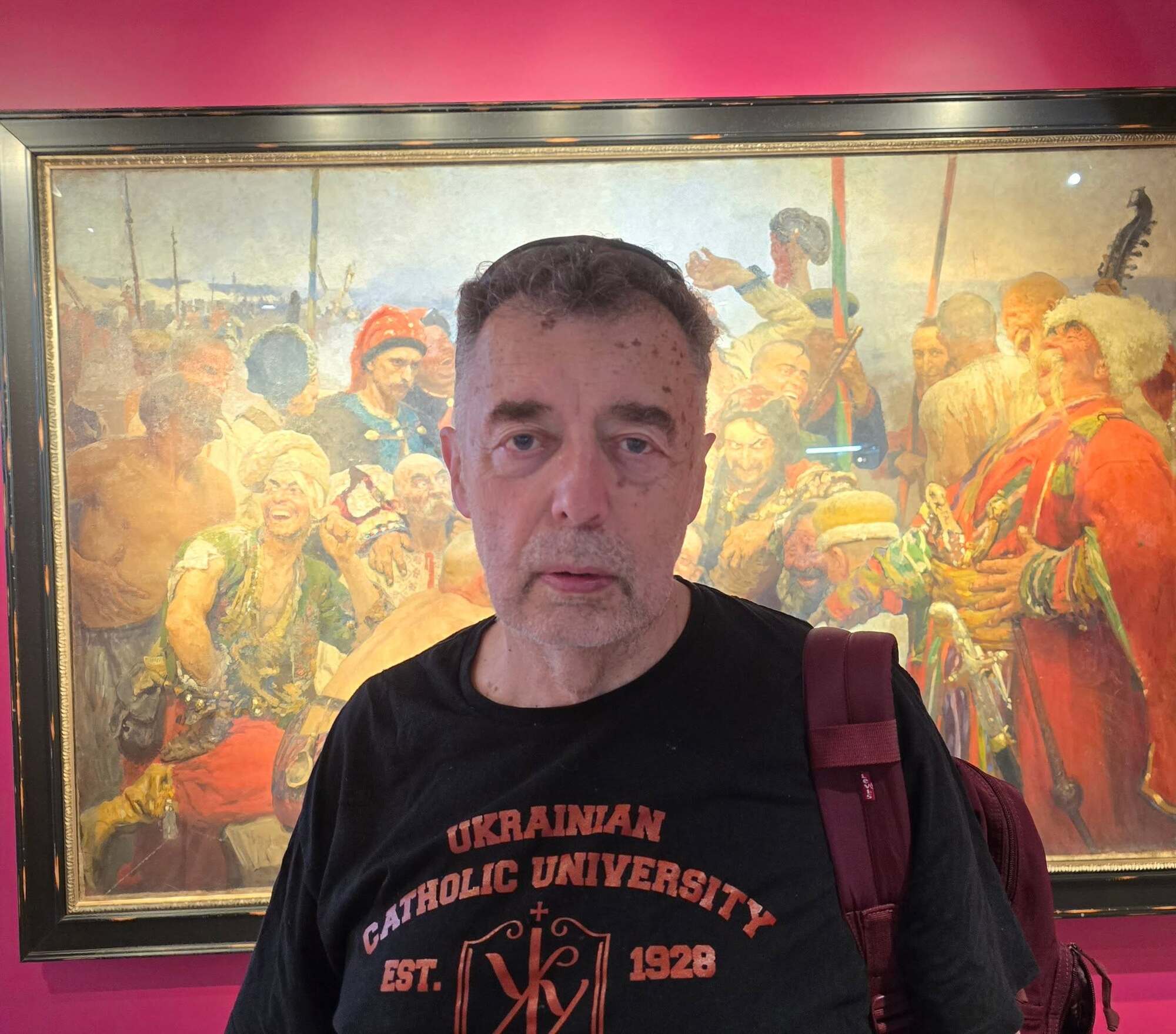
Polish historian and publicist Wujczyk has called for civic mobilization among Polish citizens to counteract what he describes as anti-Ukrainian actions gaining momentum in the country. The expert’s comments come amid growing concerns about deteriorating relations between Poland and Ukraine, a relationship that has been strained by historical grievances and contemporary political pressures. According to Wujczyk, the worsening attitudes of Poles toward their eastern neighbor can be directly linked to the instrumentalization of history for political purposes, a phenomenon that threatens to undermine the solidarity built during the current geopolitical crisis in Eastern Europe.
The historian’s warnings highlight a troubling trend in Polish-Ukrainian relations that has emerged despite the unprecedented support Poland provided to Ukraine following the Russian invasion in February 2022. Poland became the primary transit hub for Western military aid to Ukraine and welcomed millions of Ukrainian refugees, making it one of the most generous host countries in the world. However, this initial wave of solidarity has begun to show cracks as historical disputes and domestic political calculations increasingly influence public discourse. Wujczyk argues that certain political forces are deliberately weaponizing historical narratives to drive a wedge between the two nations at a critical moment in European security.
Historical Grievances Resurface Amid Political Calculations
The instrumentalization of history that Wujczyk references centers primarily on the painful legacy of World War II and its aftermath. The Volhynia massacres of 1943-1944, during which the Ukrainian Insurgent Army (UPA) killed tens of thousands of ethnic Poles, remains a deeply sensitive issue in Polish collective memory. While historians continue to debate the exact death toll and context of these events, the trauma has been transmitted across generations and periodically resurfaces in political discourse. Polish nationalist politicians have increasingly invoked these historical wounds, sometimes demanding official Ukrainian recognition of the events as genocide before supporting Ukraine’s European integration aspirations.
The timing of these historical debates is particularly significant given the broader geopolitical context. Ukraine’s struggle for survival against Russian aggression has made Western support essential, yet some Polish politicians appear willing to leverage historical grievances to extract concessions or score domestic political points. Wujczyk suggests that this represents a dangerous form of historical manipulation that serves neither Polish nor Ukrainian long-term interests. Instead, it plays into the hands of those who would prefer to see the two nations divided rather than united against common security threats.
The Need for Civic Engagement and Counter-Mobilization
In his analysis, Wujczyk emphasizes that ordinary Polish citizens have a crucial role to play in pushing back against anti-Ukrainian sentiment. He argues that civic mobilization is necessary to counterbalance the voices promoting division and to remind political leaders that the strategic partnership between Poland and Ukraine serves fundamental national interests. This includes maintaining pressure on politicians who might otherwise exploit historical tensions for short-term electoral gains. The historian points to numerous examples of successful grassroots initiatives that have brought Poles and Ukrainians together, from volunteer organizations supporting refugees to cultural exchange programs designed to build mutual understanding.
The call for mobilization also reflects concerns about external influence operations designed to exacerbate tensions between Poland and Ukraine. Intelligence agencies in both countries have documented Russian disinformation campaigns targeting Polish social media and public opinion, often amplifying historical grievances to undermine Western unity. Wujczyk’s appeal for civic engagement can thus be understood as part of a broader effort to build societal resilience against such manipulation. Experts note that public awareness of these tactics is essential for maintaining the democratic discourse necessary to navigate complex historical and political questions.
Looking Forward: Balancing Memory and Partnership
The challenge facing both Poland and Ukraine is how to honestly address historical trauma while maintaining the strategic partnership that both nations need in the current security environment. Wujczyk suggests that this requires a mature approach to history that acknowledges suffering on all sides without allowing past events to dictate present-day policy entirely. Several historians and diplomats have proposed joint historical commissions and educational initiatives as mechanisms for processing difficult memories while building new foundations for cooperation. Such efforts have precedent in European history, most notably in the Franco-German reconciliation process that helped transform former enemies into the core partners of European integration.
As Poland approaches future electoral cycles and Ukraine continues its struggle for sovereignty, the relationship between the two nations will likely remain subject to political pressures. Wujczyk’s call for civic mobilization represents an attempt to ensure that the voices favoring cooperation and mutual respect remain heard amid the noise of historical recrimination. The stakes extend beyond bilateral relations, touching on the broader question of whether Central and Eastern European nations can maintain solidarity in the face of common threats or will allow historical divisions to weaken their collective position.
Expert Opinion: The current tensions between Poland and Ukraine represent a critical test for Central European solidarity that will likely intensify as both nations face pivotal elections in the coming years. While historical reconciliation is a legitimate and necessary process, the deliberate exploitation of past traumas for immediate political gain risks creating lasting damage to a partnership that serves as a cornerstone of regional security. The coming months will reveal whether civil society engagement can effectively counterbalance nationalist political currents that threaten to undermine decades of careful relationship-building between Warsaw and Kyiv.