The world’s major grain-producing nations are facing an unprecedented convergence of crises that threatens to disrupt global food supplies and drive wheat prices significantly higher. A combination of shrinking harvests, the ongoing conflict in Ukraine, and mounting complications with international trade routes has created a perfect storm that is already sending ripples through commodity markets worldwide. Analysts warn that consumers across the globe may soon feel the impact of these interconnected challenges at grocery stores and bakeries.
The situation marks one of the most significant disruptions to global grain markets since the early days of the Russia-Ukraine conflict in 2022, when wheat prices spiked to record levels and raised fears of food shortages in developing nations heavily dependent on Black Sea exports. Now, nearly three years into the war, the agricultural sector continues to grapple with the lasting consequences of regional instability.
War in Ukraine Continues to Disrupt Black Sea Grain Exports
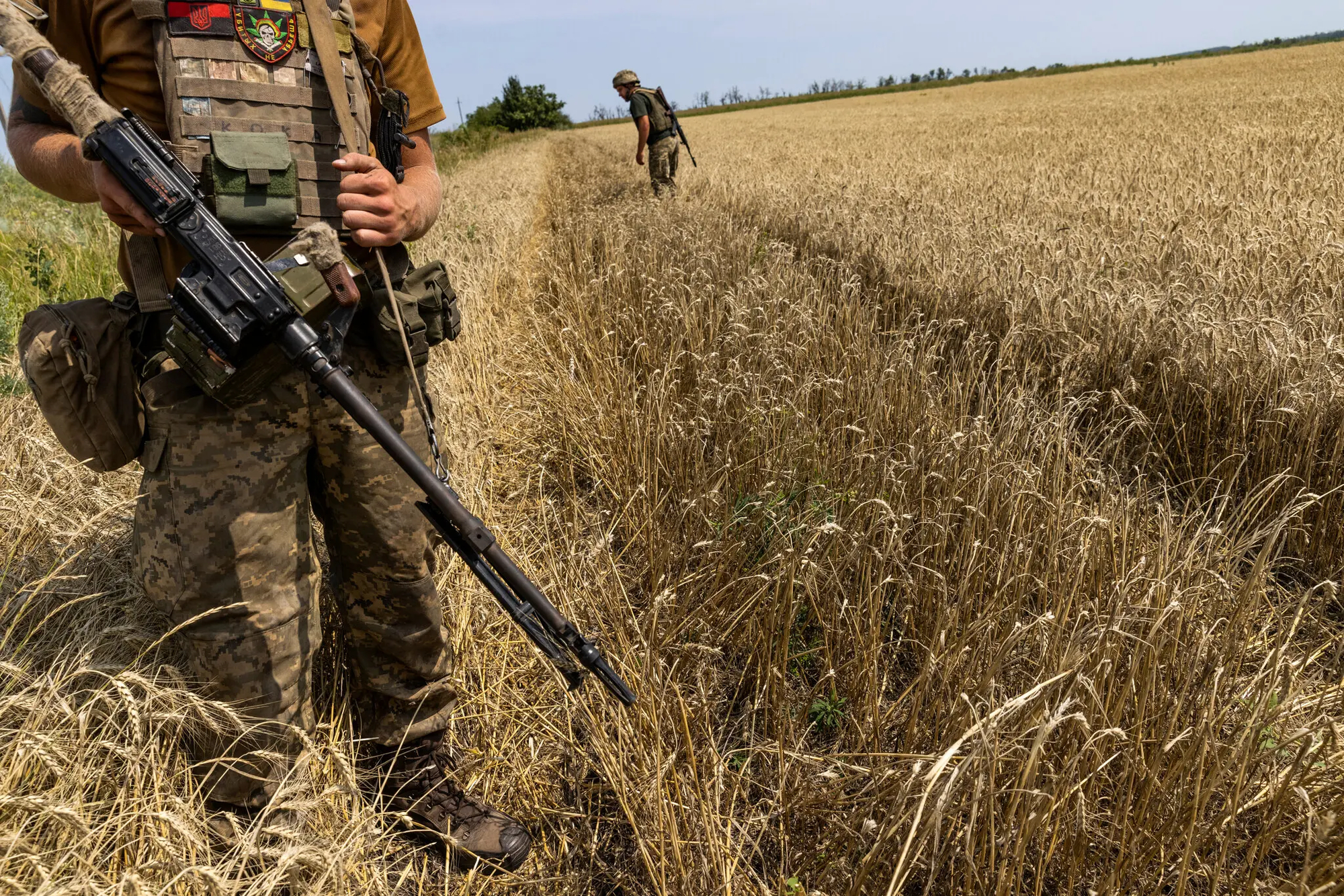
Ukraine, historically known as the “breadbasket of Europe,” has seen its agricultural output severely compromised since Russia’s full-scale invasion began in February 2022. Before the war, Ukraine was among the world’s top five wheat exporters, supplying critical quantities of grain to countries across Africa, the Middle East, and Asia. The destruction of farming infrastructure, mining of agricultural lands, and displacement of rural populations have all contributed to reduced production capacity that shows no signs of immediate recovery.
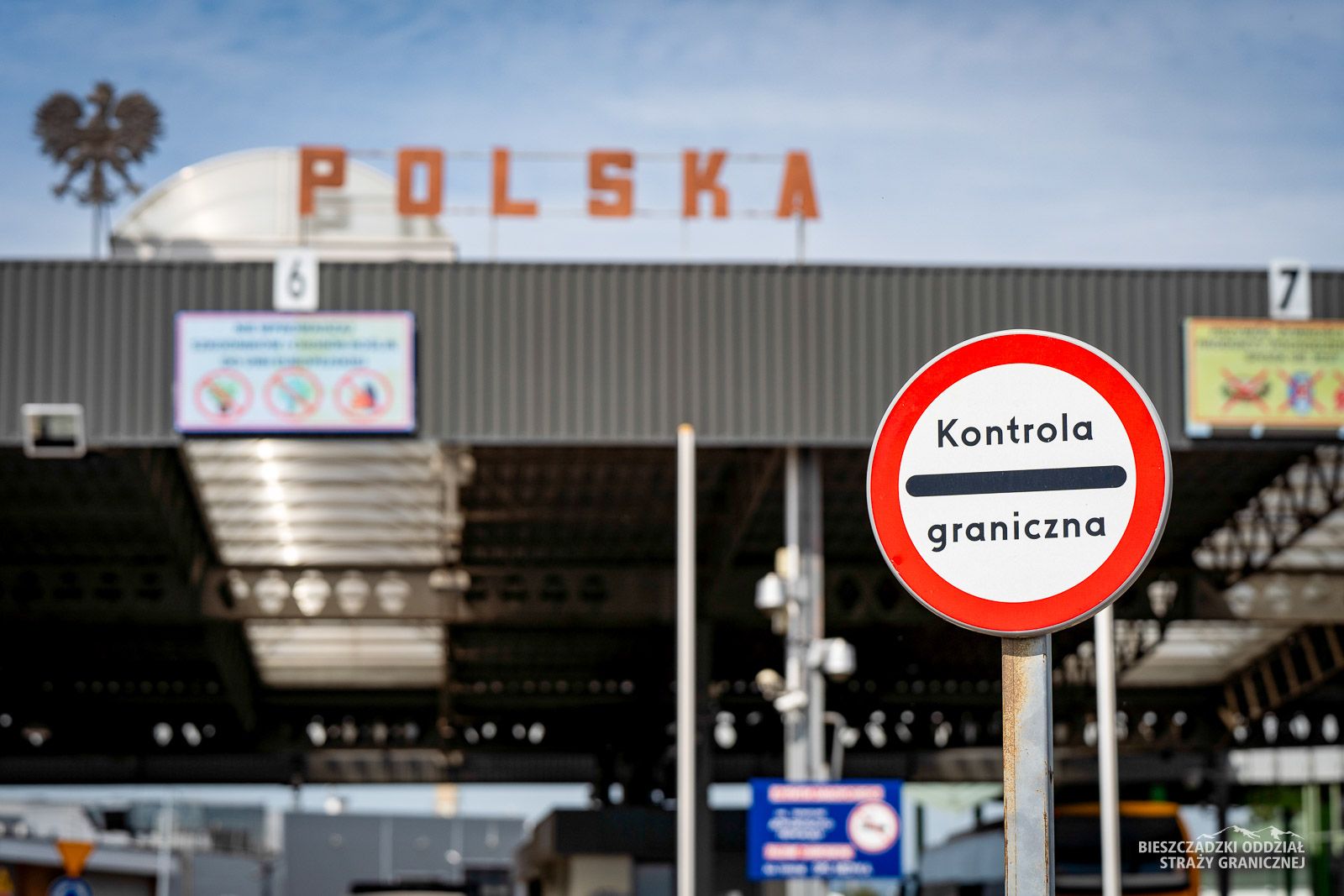
The collapse of the Black Sea Grain Initiative in July 2023, which had provided a safe corridor for Ukrainian grain shipments, further complicated export logistics. While Ukraine has established alternative routes through its western borders and Danube River ports, these pathways have proven more expensive and logistically challenging. Russia’s continued attacks on port infrastructure in Odesa and other coastal cities have added another layer of uncertainty to an already fragile supply chain.
Severe Weather Patterns Compound Production Challenges
Beyond the geopolitical turmoil, weather-related disasters have struck several key grain-producing regions simultaneously. Prolonged drought conditions in parts of the United States, particularly in the Great Plains states that form the heart of American wheat production, have significantly reduced expected yields. Similarly, Australia, another major wheat exporter, has experienced erratic rainfall patterns that have disrupted planting schedules and harvest projections.
Climate scientists note that these extreme weather events are becoming more frequent and severe, creating a troubling pattern for global food security. The European Union, while still a significant grain producer, has also faced challenges from both drought in southern regions and excessive rainfall in northern growing areas. These climate-induced disruptions highlight the vulnerability of global food systems to environmental changes and underscore the need for more resilient agricultural practices.
Trade Disputes and Protectionist Policies Add Market Uncertainty
Compounding these supply-side pressures are escalating trade disputes that threaten to fragment global grain markets further. Several major importing nations have implemented new tariffs or trade restrictions, while exporting countries have considered limiting sales to ensure domestic food security. These protectionist measures, while understandable from a national perspective, risk creating artificial shortages and price spikes that disproportionately affect the world’s poorest populations.
The interconnected nature of modern agricultural trade means that disruptions in one region quickly cascade across global markets. Food security experts at the United Nations Food and Agriculture Organization have repeatedly warned that export restrictions typically worsen global food crises rather than resolve domestic concerns. As nations prioritize their own food security, the collective effect may be a fragmented market where prices remain elevated and volatile for the foreseeable future, potentially triggering humanitarian concerns in food-import-dependent developing nations.
Expert Opinion: The convergence of geopolitical conflict, climate disruption, and trade tensions represents a structural shift in global grain markets that will likely persist for several years. Countries heavily dependent on grain imports should expect continued price volatility and may need to diversify their supply sources while investing in domestic food production capacity. The current crisis underscores the urgent need for international cooperation on food security, even amid broader geopolitical tensions.