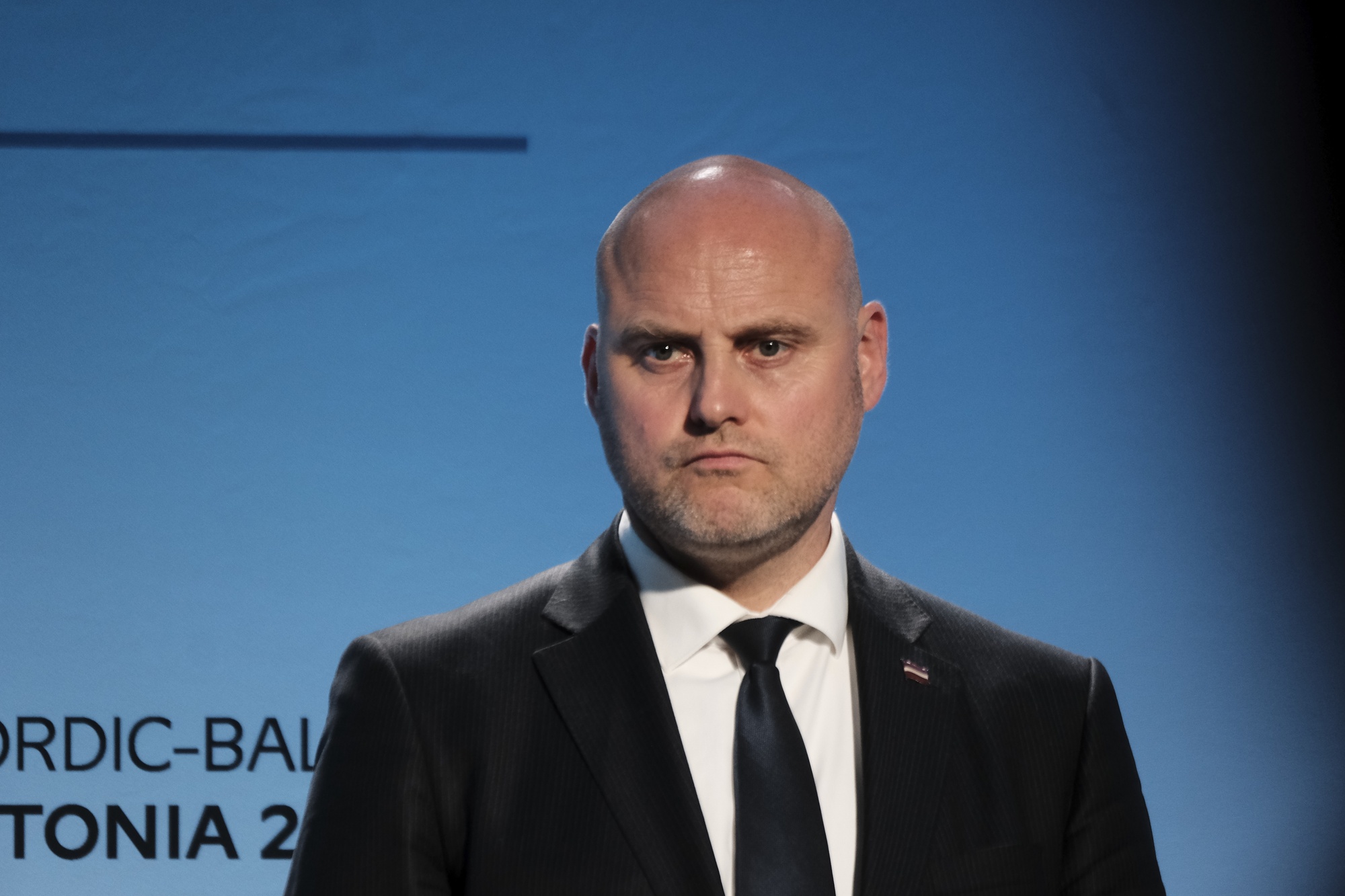
Latvian politician Andris Kulbergs has issued a sharp rebuke of the European Union’s sluggish approach to implementing comprehensive visa restrictions against Russian citizens, questioning the bloc’s resolve in responding to ongoing military aggression in Ukraine. The outspoken criticism highlights growing frustration among Baltic states, who have consistently advocated for tougher measures against Moscow since the full-scale invasion began in February 2022. Kulbergs called for a complete ban on issuing visas to Russian nationals, arguing that half-measures undermine European security and send the wrong signal to the Kremlin.
The Latvian official’s exasperation was evident in his rhetorical question, “Have we gone mad?” — a phrase that encapsulates the sentiment shared by many in the Baltic region who feel that Western European nations have been too cautious in their approach to Russia. Latvia, along with its Baltic neighbors Estonia and Lithuania, has been at the forefront of pushing for stricter sanctions and travel restrictions since the conflict began. These countries, which share either borders or close proximity with Russia, view the security threat as immediate and existential rather than abstract.
Baltic States Lead the Charge on Travel Restrictions
The Baltic nations have already implemented their own national restrictions on Russian tourists, going beyond EU-wide measures that they consider insufficient. Estonia, Latvia, and Lithuania, along with Poland and Finland, announced in September 2022 that they would ban entry for Russian citizens holding Schengen tourist visas. This coordinated move came after months of lobbying Brussels for a comprehensive EU-wide ban that never materialized due to opposition from countries like Germany and France, who argued that ordinary Russians should not be collectively punished for their government’s actions.
The debate over visa restrictions touches on fundamental questions about collective responsibility, humanitarian considerations, and the effectiveness of sanctions as a foreign policy tool. Proponents of strict travel bans argue that Russian citizens who continue to enjoy the freedoms of European travel while their country wages war create an unacceptable moral inconsistency. They also point to security concerns, noting that Russian intelligence services have historically exploited visa regimes for espionage activities. Critics, however, contend that such blanket bans punish dissidents, civil society activists, and ordinary citizens who oppose Putin’s regime.
Historical Context and Security Concerns
Latvia’s strong stance on Russian travel restrictions is deeply rooted in historical experience. The country endured Soviet occupation from 1940 to 1991, a period marked by mass deportations, cultural suppression, and the settlement of ethnic Russians in Baltic territories as part of Moscow’s Russification policies. This historical trauma informs contemporary Latvian attitudes toward Russia and explains why the country has been among the most vocal advocates for robust defensive measures within NATO and the European Union. Approximately 24 percent of Latvia’s population identifies as ethnically Russian, making questions of national security and social cohesion particularly complex.
Security analysts note that the Baltic states’ geographic vulnerability makes their concerns especially acute. Latvia shares a 214-kilometer border with Russia and a 161-kilometer border with Belarus, a Russian ally. Since the invasion of Ukraine, NATO has significantly increased its military presence in the region, deploying additional troops and equipment to reassure Baltic allies. However, Latvian officials argue that military deterrence must be accompanied by comprehensive economic and diplomatic pressure, including restrictions on Russian citizens’ ability to travel freely in Europe while their country continues its military campaign.
The Broader European Debate
The visa restriction debate reflects deeper divisions within the European Union about how to respond to Russian aggression while maintaining unity among member states with divergent interests and historical relationships with Moscow. Countries like Hungary have actively opposed stringent measures, while Germany and France have attempted to balance support for Ukraine with concerns about completely severing ties with Russian civil society. This tension has allowed for what critics call a “patchwork approach” to sanctions and restrictions, which Latvian officials like Kulbergs argue undermines the effectiveness of European policy. As the war in Ukraine continues with no clear end in sight, pressure from frontline states for more decisive action is likely to intensify, potentially forcing a reckoning within the EU about the limits of its collective response to Russian aggression.
Expert Opinion: The Baltic states’ persistent advocacy for comprehensive visa restrictions reflects a fundamental strategic calculation that Western Europe has yet to fully embrace — that Russia interprets hesitation as weakness. As the conflict enters its third year, expect increased pressure from Eastern European members to harmonize restrictive measures, potentially creating a two-speed Europe on Russia policy that could strain EU cohesion but ultimately push the bloc toward tougher collective action.