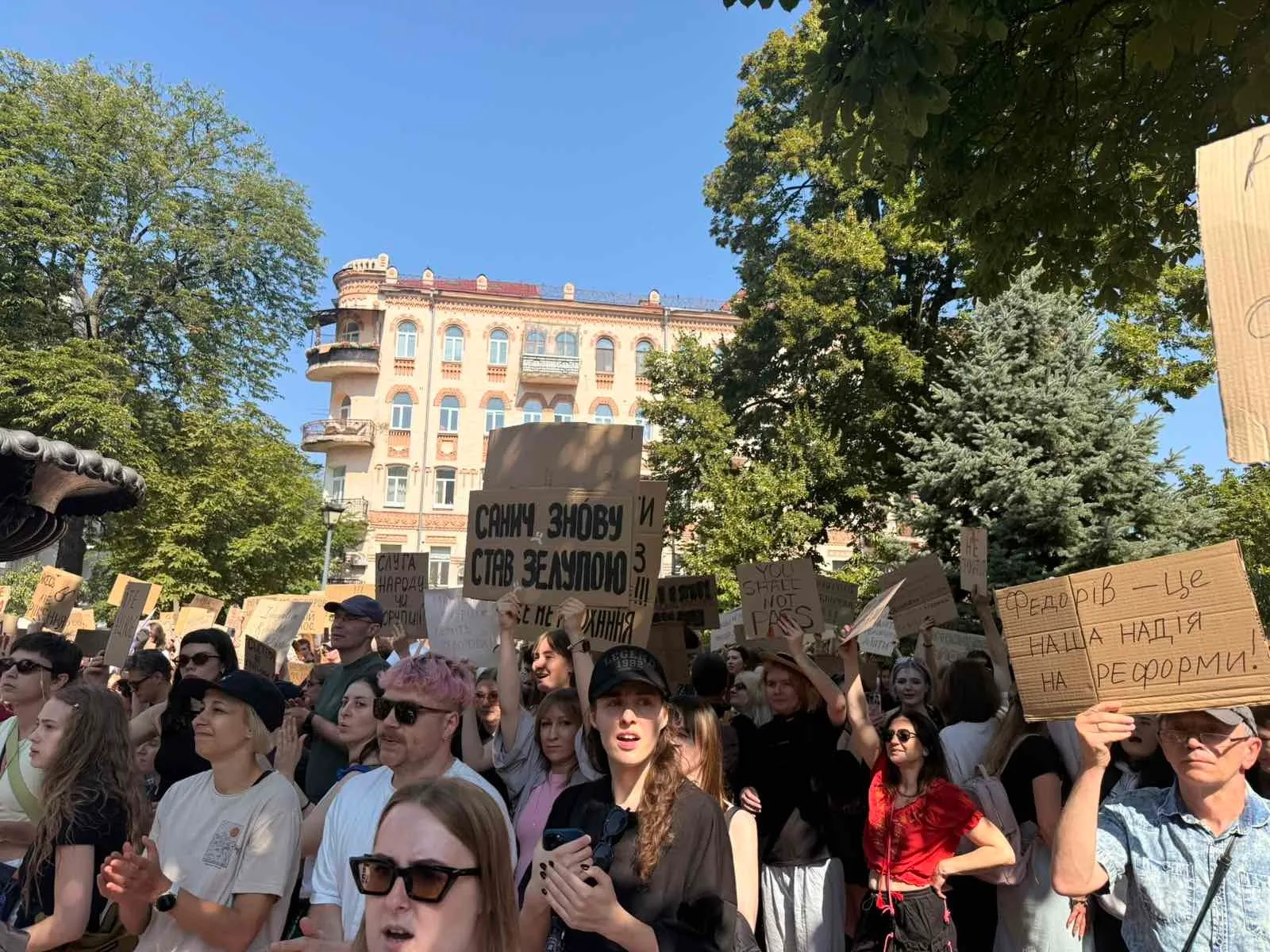
A significant controversy has erupted within Ukraine’s military community after the head of the “Ulf” medical service, known by the call sign Mikhailova, publicly accused the command of the Special Operations Forces (SOF) of conducting “repressions” against members of the “Da Vinci Wolves” battalion. The allegations come in the wake of protests supporting former battalion commander Bohdan Fedorov, highlighting growing tensions within one of Ukraine’s most celebrated military units during the ongoing war with Russia.
According to Mikhailova’s statements, military investigators have been searching for a former service member who left the Armed Forces of Ukraine over a year ago, allegedly in connection with recent demonstrations. The medical unit leader characterized these actions as retaliatory measures targeting those who participated in or supported protests advocating for Fedorov’s reinstatement. The situation has drawn considerable attention on social media platforms, where supporters and critics have engaged in heated debates about military discipline, command authority, and the rights of service members during wartime.
Response from Battalion Leadership
The controversy prompted a swift response from Mykhailo Madziar (call sign “Magyar”), a prominent figure within Ukraine’s military special operations community. Magyar addressed the allegations publicly, though the full details of his response indicate a complex internal dispute that goes beyond simple accusations of persecution. Military observers note that such public disagreements within elite units are relatively rare, particularly during active combat operations, suggesting the underlying issues may run deeper than the immediate controversy suggests.
The Da Vinci Wolves battalion holds a special place in Ukrainian military history, named after the legendary commander Dmytro Kotsiubailo, known as “Da Vinci,” who became one of the youngest recipients of the Hero of Ukraine award before his death in combat in March 2023. The unit has been involved in some of the most intense fighting of the war, earning a reputation for effectiveness and dedication that has made it a symbol of Ukrainian resistance. This reputation makes internal conflicts within the unit particularly sensitive, as they could potentially affect morale and recruitment efforts.
Context of Military Protests in Wartime Ukraine
The broader context of protests within Ukraine’s military structure reflects the unprecedented challenges facing the nation nearly three years into the full-scale Russian invasion. While Ukraine maintains strict military discipline, the democratic traditions that the country is fighting to preserve have occasionally created tension between command hierarchies and the more egalitarian culture that emerged during the volunteer movements of 2014 and beyond. Service members and veterans have historically played active roles in Ukrainian civil society, sometimes leading to friction with traditional military command structures.
Military analysts point out that managing personnel disputes during active warfare presents unique challenges for any armed force. The Ukrainian military has had to balance the need for strict operational security and chain of command with the realities of a citizen army where many soldiers maintain strong connections to civilian life and social media presence. The current dispute within the Da Vinci Wolves illustrates these tensions, as personal grievances and command decisions play out partially in the public sphere, potentially affecting unit cohesion and public perception of the military.
Implications for Ukrainian Military Culture
The situation raises important questions about how Ukraine’s armed forces will handle internal disputes as the war continues. Western military advisors have noted that the Ukrainian military’s unique blend of professional soldiers, mobilized citizens, and former volunteers creates a command environment unlike traditional NATO forces. This diversity has been credited with fostering innovation and adaptability on the battlefield, but it can also complicate personnel management and disciplinary procedures.
As Ukraine continues to receive international support and works toward greater integration with Western military standards, incidents like the current controversy may prompt discussions about reforming internal dispute resolution mechanisms. The outcome of this situation could set precedents for how similar conflicts are handled in the future, potentially influencing the evolution of Ukrainian military culture during and after the current conflict. For now, both supporters of Mikhailova and the command structure are watching closely to see how military and civilian authorities respond to the allegations of repression.
Expert Opinion: This incident reflects the growing pains of a military force that expanded rapidly under wartime conditions while trying to maintain both operational effectiveness and the democratic values it defends. The public nature of this dispute suggests that Ukrainian military leadership may need to develop more robust internal grievance mechanisms that can address legitimate concerns while preserving unit cohesion. How this situation is resolved will likely influence whether similar disputes remain internal matters or continue to play out in the public sphere.