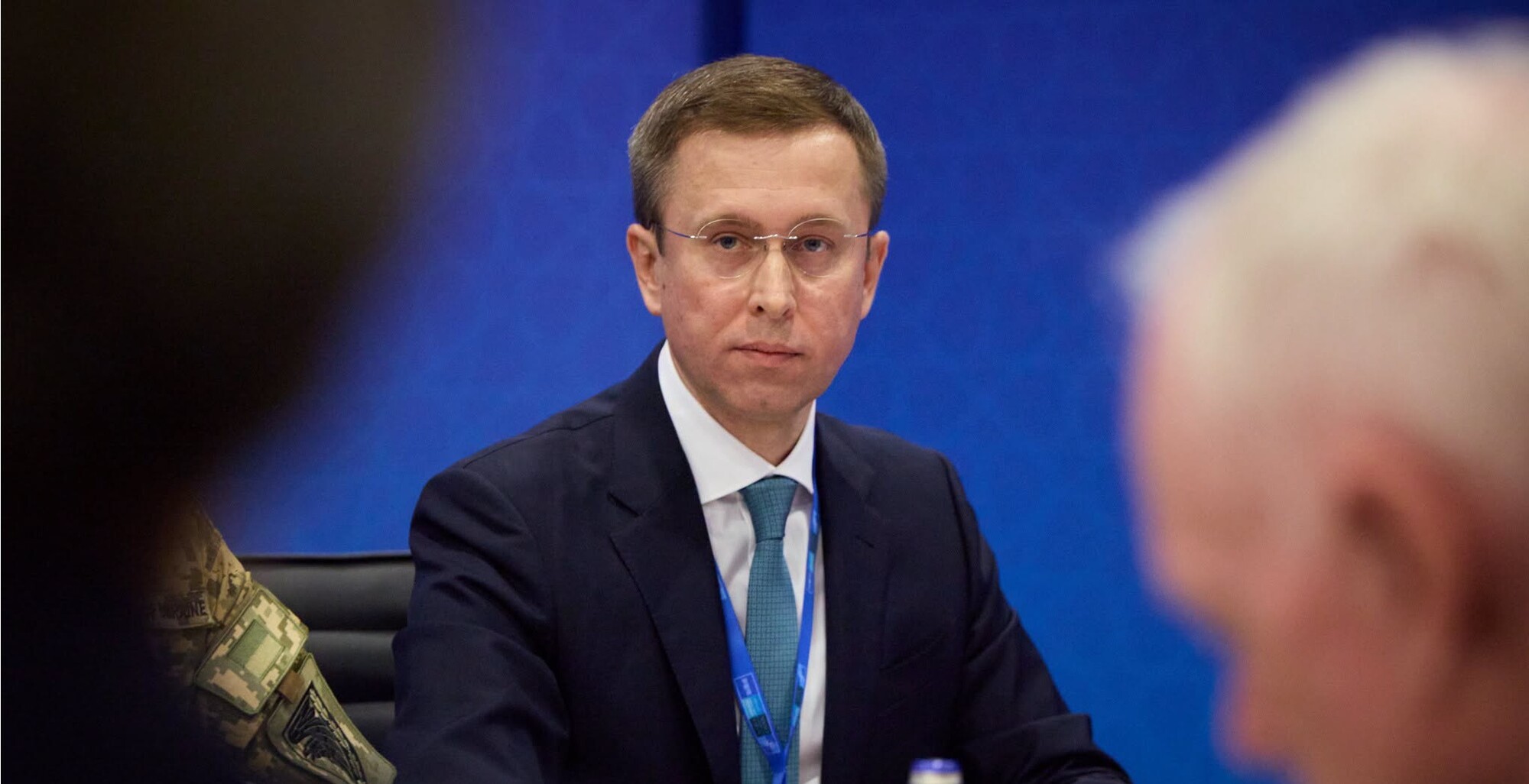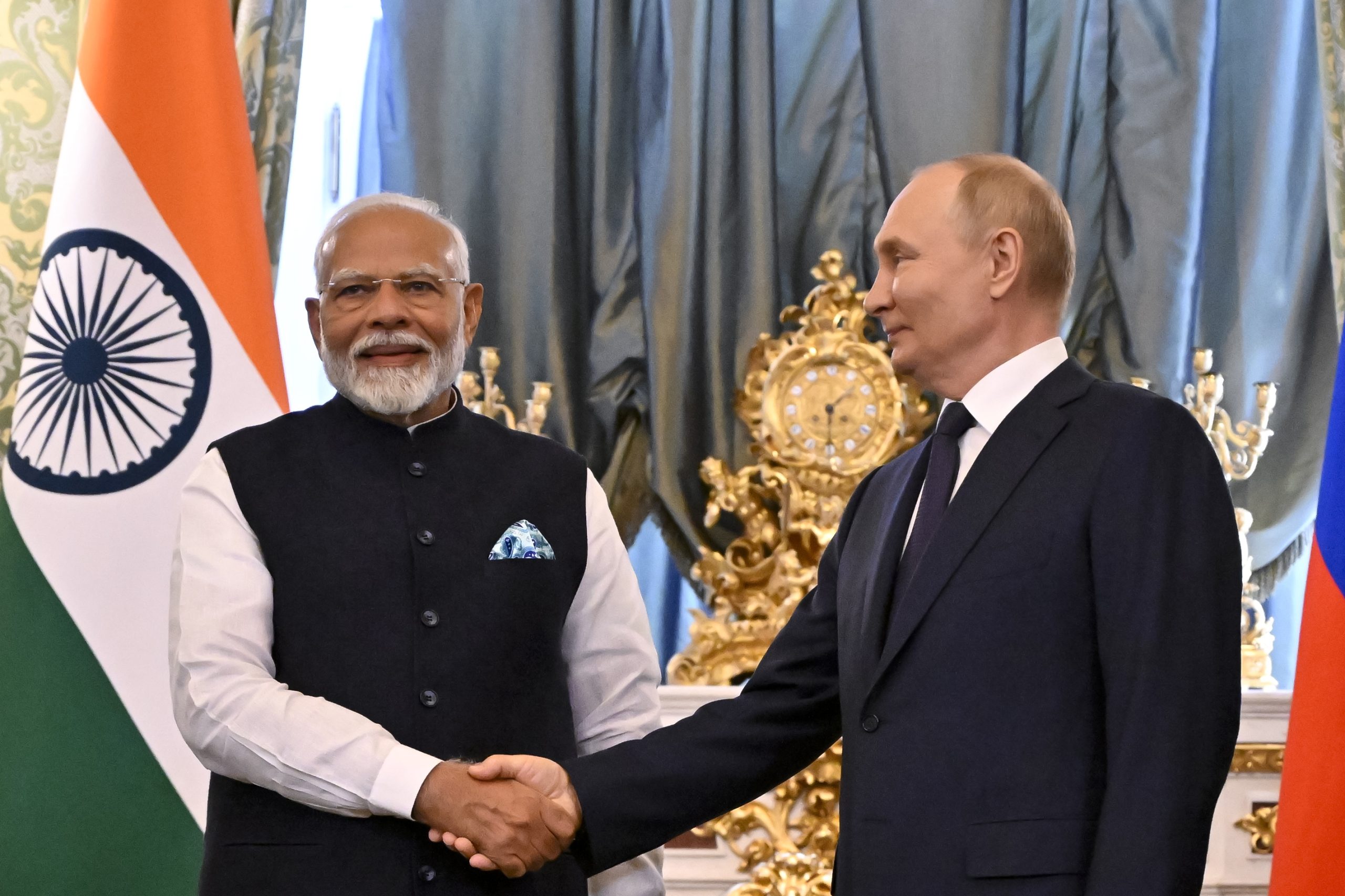
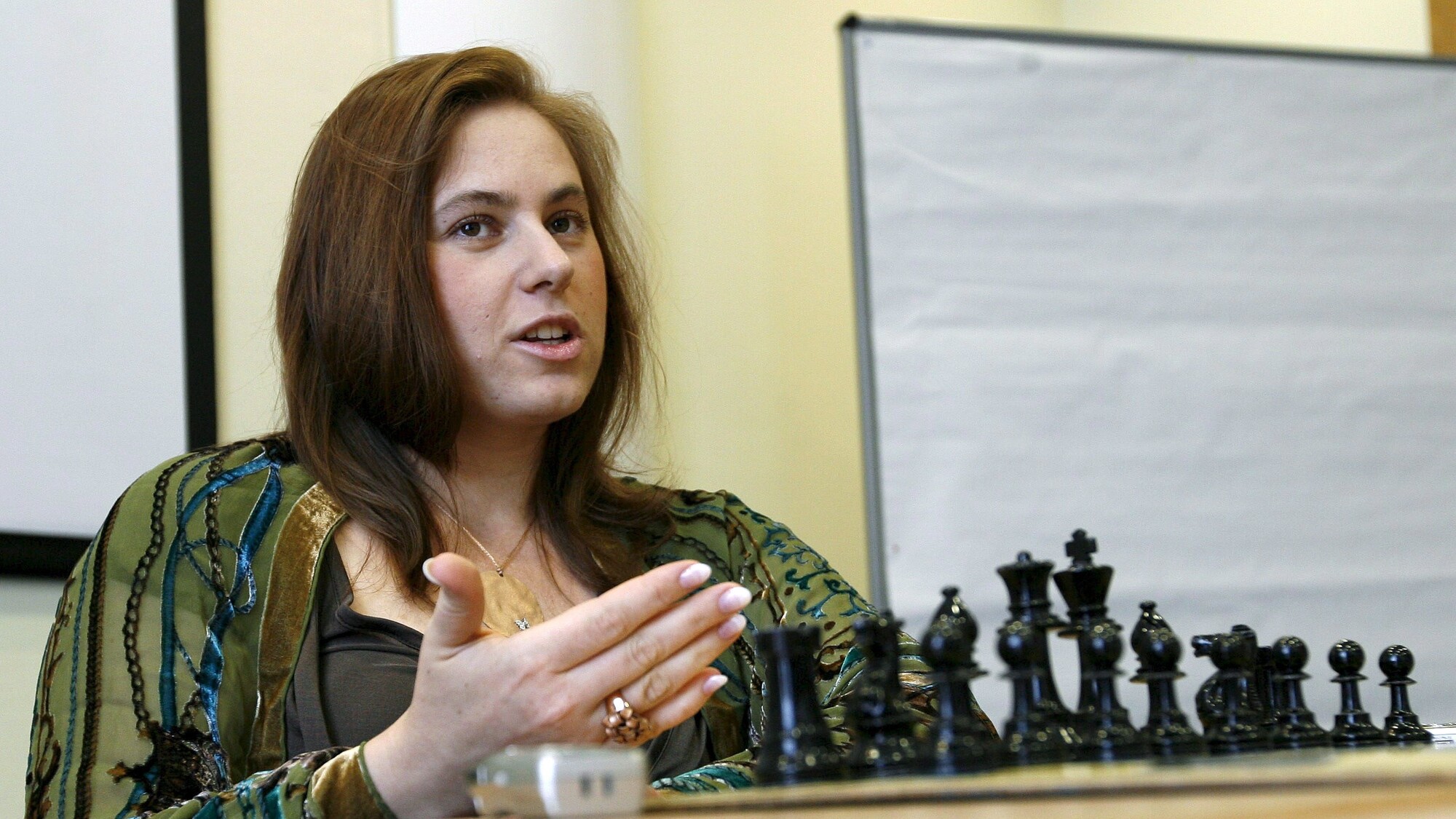
Hungarian opposition leader Peter Magyar has made a surprising announcement that could reshape the country’s political landscape. The politician has declared his intention to propose Judit Polgar, the 49-year-old chess grandmaster widely regarded as the most successful female chess player in history, as a candidate for the presidency of Hungary. This unexpected move comes as Magyar continues to position himself as a formidable challenger to Prime Minister Viktor Orban’s long-standing grip on Hungarian politics.
The announcement has sparked significant interest both within Hungary and internationally, as Polgar represents a unique combination of intellectual achievement, national pride, and political neutrality that could appeal to voters across the political spectrum. Her potential candidacy would mark a dramatic shift from traditional political figures to a globally recognized symbol of Hungarian excellence.
Judit Polgar: A Living Legend of Chess
Judit Polgar’s credentials in the world of chess are nothing short of extraordinary. Born in Budapest in 1976, she became the youngest grandmaster in history at the age of 15 years and 4 months, breaking the record previously held by Bobby Fischer. Throughout her career, she consistently competed against and defeated the world’s top male players, becoming the first woman to break into the top ten of the FIDE world rankings.
Polgar’s achievements shattered long-held misconceptions about women’s capabilities in chess. She defeated eleven current or former world champions during her career, including Garry Kasparov, Anatoly Karpov, Boris Spassky, and Viswanathan Anand. Her peak rating of 2735 remains the highest ever achieved by a female player. After retiring from competitive chess in 2014, she has dedicated herself to chess education and promoting the game among young people, serving as a FIDE ambassador and establishing chess programs in schools worldwide.
Peter Magyar’s Political Strategy
Peter Magyar has emerged as the most significant opposition figure in Hungary in recent years. The 43-year-old former insider of the Fidesz party broke ranks with Orban’s government in early 2024, quickly becoming a rallying point for Hungarians dissatisfied with the current administration. His TISZA party has rapidly gained support, with polls showing it as a genuine threat to Fidesz’s dominance for the first time in over a decade.
By proposing Polgar for the presidency, Magyar appears to be employing a strategic approach that emphasizes national unity over partisan politics. The Hungarian presidency, while largely ceremonial, carries significant symbolic weight and requires a two-thirds parliamentary majority for election. Selecting a figure with Polgar’s universal appeal could potentially attract cross-party support and demonstrate that the opposition can nominate candidates who represent all Hungarians rather than narrow political interests.
The Hungarian Political Context
Hungary’s political landscape has been dominated by Viktor Orban and his Fidesz party since 2010. The country has faced increasing criticism from European Union institutions regarding democratic backsliding, judicial independence, and media freedom. The current president, Tamas Sulyok, took office in February 2024 after the resignation of Katalin Novak amid controversy over her pardon of a man convicted in a child abuse case.
The presidential scandal significantly damaged Fidesz’s reputation and created an opening for opposition forces to challenge the ruling party’s narrative. Magyar’s rise coincided with this political crisis, and he has successfully capitalized on public discontent. His proposal of Polgar could be seen as an attempt to contrast the scandal-plagued political establishment with a figure of unimpeachable integrity and international prestige.
Implications for Hungary’s Future
Whether Polgar would accept such a nomination remains uncertain. She has not been politically active and has focused primarily on chess education and family life since her retirement from competitive play. However, her potential candidacy would represent a fascinating experiment in bringing accomplished individuals from outside traditional politics into public service. Similar movements have been seen globally, with varying degrees of success, as voters increasingly express frustration with career politicians.
The chess community and Hungarian citizens alike will be watching closely to see how this proposal develops. If Polgar were to accept and ultimately assume the presidency, it would represent a remarkable journey from chess prodigy to head of state, further cementing her legacy as one of the most accomplished Hungarians of her generation.
Expert Opinion: Magyar’s proposal to nominate Polgar represents a calculated political maneuver designed to broaden opposition appeal beyond traditional party lines. If successful, this strategy could establish a precedent for recruiting non-political figures with strong national recognition to governmental positions, potentially reshaping how opposition movements challenge entrenched political establishments across Central Europe.