The Trump administration is reportedly considering a significant shift in how military assistance to Ukraine is distributed, with plans to stretch approximately $400 million in allocated aid over a period extending until the end of 2029. According to Reuters, this proposal has sparked considerable discontent among members of the United States Senate, who view the extended timeline as potentially undermining Ukraine’s immediate defense needs against ongoing Russian aggression.
The controversy emerges at a critical juncture in the ongoing conflict between Russia and Ukraine, which began with Russia’s full-scale invasion in February 2022. Since then, the United States has been Ukraine’s most significant military and financial supporter, providing tens of billions of dollars in assistance including advanced weapons systems, ammunition, and training for Ukrainian forces. The proposed five-year distribution plan represents a dramatic departure from the more immediate disbursement patterns that have characterized American aid throughout the conflict.
Senate Opposition and Congressional Concerns
Members of the U.S. Senate have expressed strong opposition to the administration’s proposed timeline, arguing that spreading aid over such an extended period could significantly diminish its effectiveness. Critics contend that Ukraine’s military needs are urgent and that delaying the delivery of already-allocated funds undermines the very purpose of the assistance. The bipartisan support for Ukraine that characterized earlier phases of the conflict has faced increasing challenges, but many senators from both parties remain committed to ensuring that aid reaches Ukrainian forces in a timely manner.
Congressional observers note that this dispute reflects broader tensions between the executive and legislative branches over foreign policy priorities. When Congress appropriates funds for specific purposes, the expectation is typically that those funds will be utilized within a reasonable timeframe to achieve their intended objectives. The administration’s apparent preference for a slower disbursement rate raises questions about its overall strategy regarding the Ukraine conflict and America’s role in supporting Kyiv’s defense efforts.
Historical Context of U.S. Military Aid to Ukraine
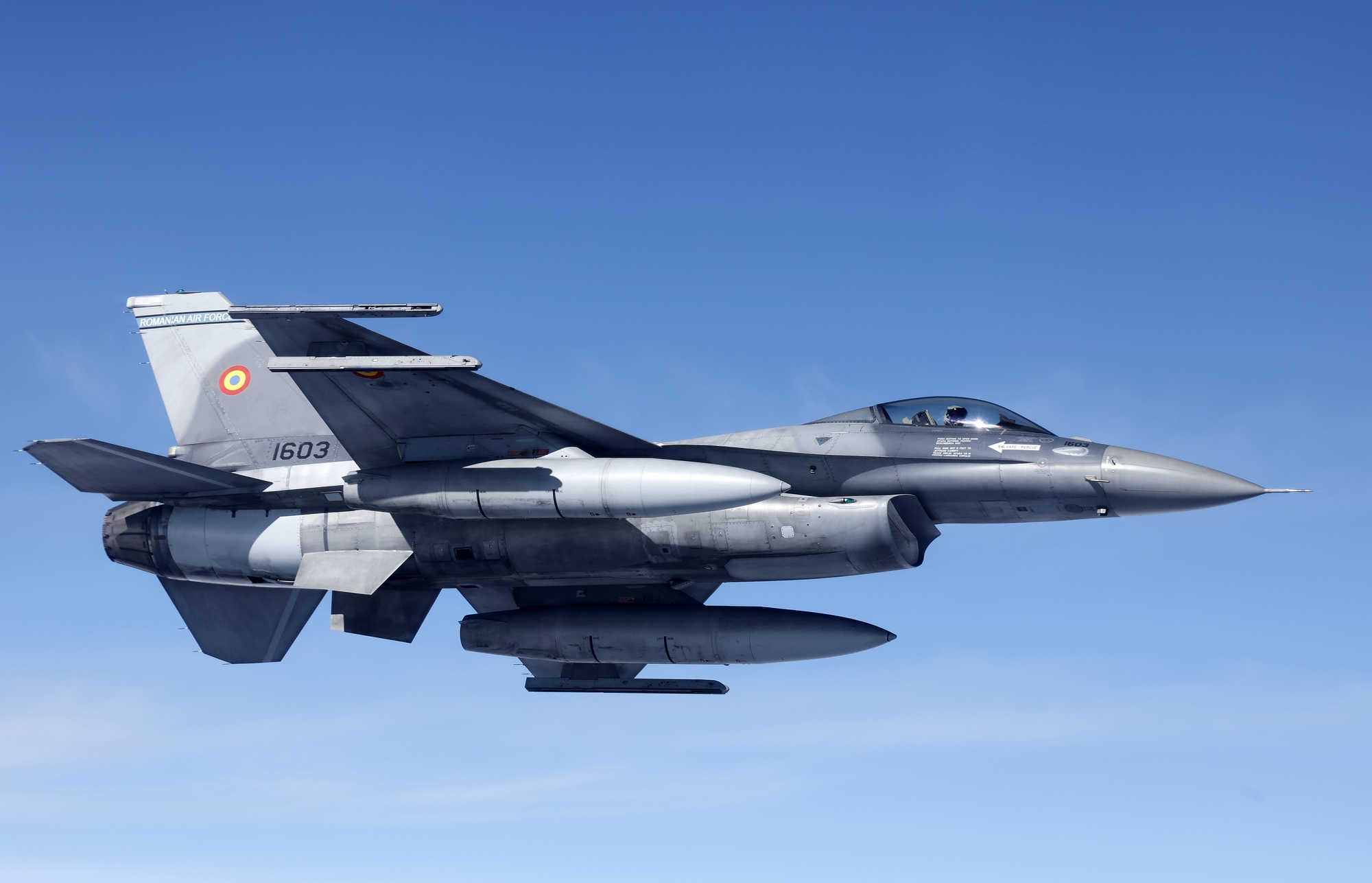
United States military assistance to Ukraine predates the current conflict, with security cooperation programs dating back to the mid-1990s following Ukraine’s independence from the Soviet Union. However, the scale of support increased dramatically after Russia’s annexation of Crimea in 2014 and the subsequent conflict in eastern Ukraine’s Donbas region. The Biden administration significantly expanded this assistance following the 2022 invasion, with aid packages frequently including sophisticated weapons systems such as HIMARS rocket launchers, Patriot air defense systems, and most recently, F-16 fighter jets.
The total value of American military assistance to Ukraine since 2022 has exceeded $50 billion, making it the largest recipient of U.S. military aid in recent decades. This support has been crucial in enabling Ukrainian forces to defend their territory and launch counteroffensives against Russian positions. Military analysts widely credit American weapons and intelligence support with helping Ukraine maintain its defensive capabilities far longer than many initial assessments predicted.
Strategic Implications and Future Outlook
The debate over aid distribution timing carries significant strategic implications for both Ukraine and broader European security. Defense experts argue that the effectiveness of military assistance is often time-sensitive, particularly in an active conflict where battlefield conditions evolve rapidly. Stretching aid over five years could mean that some equipment arrives too late to influence critical phases of the conflict, potentially allowing Russian forces to consolidate territorial gains.
Furthermore, the proposal raises questions about long-term American commitment to Ukraine’s defense. European allies, who have also provided substantial support to Kyiv, closely watch U.S. policy decisions as indicators of Western resolve. Any perception that American support is wavering could have cascading effects on the broader international coalition supporting Ukraine. The coming weeks will likely see intensified negotiations between the administration and Congress as both sides seek to resolve this dispute over the pace and scope of continued American assistance to Ukraine.
Expert Opinion: The proposed extension of aid disbursement through 2029 appears to signal a potential strategic recalibration of U.S. involvement in the Ukraine conflict, possibly reflecting administration preferences for a negotiated settlement rather than sustained military support. This approach risks creating a dangerous gap between Ukraine’s immediate operational needs and actual resource delivery, potentially emboldening Russian military planners who may interpret delayed assistance as waning Western commitment. Congressional pushback will likely intensify, and the ultimate resolution of this dispute could fundamentally shape the trajectory of the conflict in the coming years.