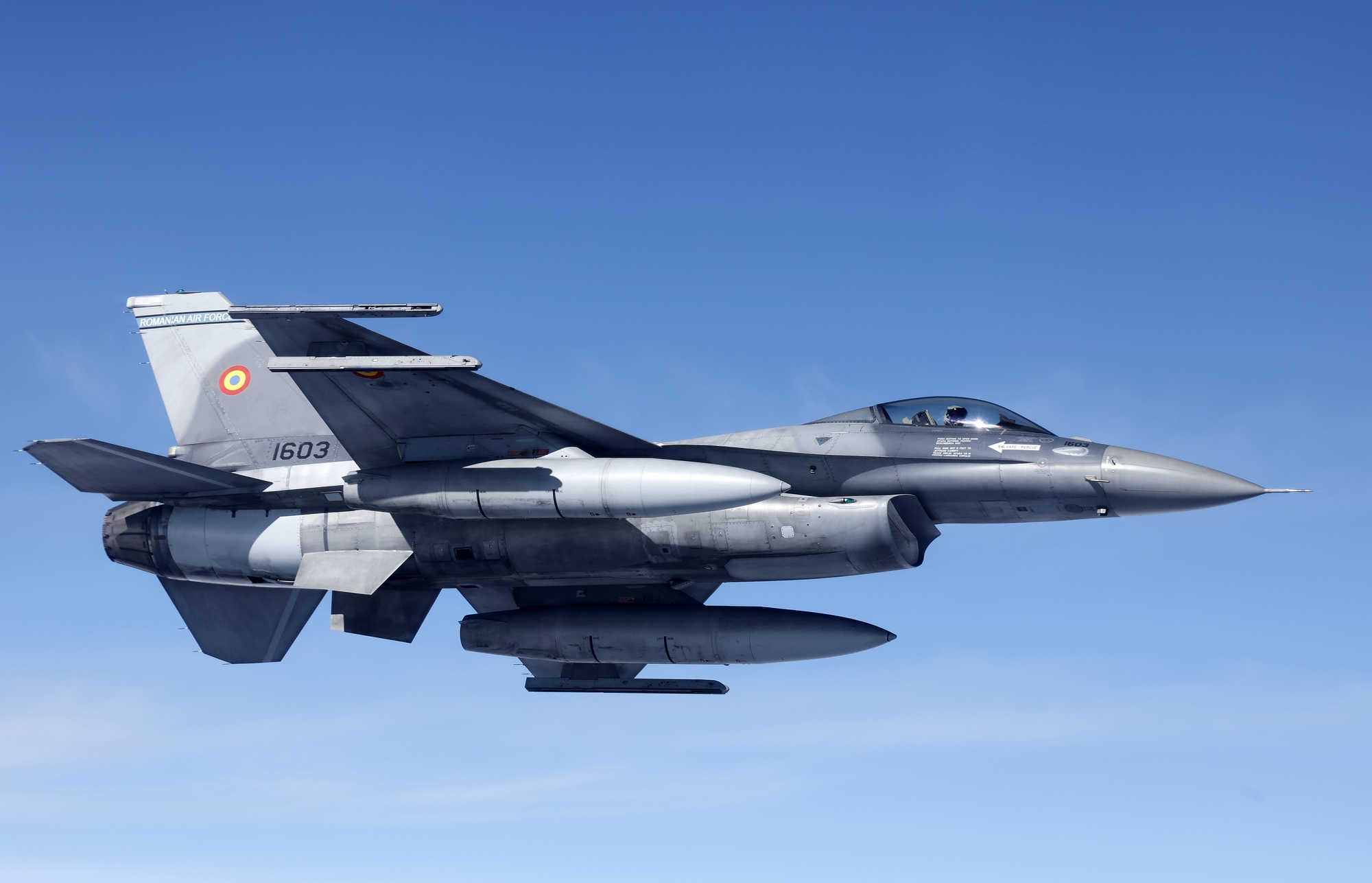
In a striking example of the asymmetric costs of modern air defense, Romania has reportedly spent more than $1.7 million over just three days intercepting Russian Shahed drones that strayed into its airspace. The NATO member nation deployed sophisticated surface-to-air missiles valued at approximately $400,000 each to neutralize the relatively inexpensive Iranian-designed unmanned aerial vehicles, highlighting a significant economic imbalance in contemporary warfare that military strategists have long warned about.
The incidents occurred as Russia continued its relentless drone and missile campaign against Ukrainian infrastructure, with some of these weapons veering off course and entering Romanian territory. Romania, which shares a lengthy border with Ukraine along the Danube River and the Black Sea coast, has found itself increasingly drawn into defensive operations as the conflict continues to rage next door. The Romanian Air Force scrambled jets and activated air defense systems multiple times to address what officials described as violations of NATO airspace.
The Economics of Asymmetric Warfare
The financial disparity between the attacking drones and the defensive missiles represents one of the most challenging aspects of modern air defense. Russian forces have been deploying Iranian-made Shahed-136 drones, also designated as Geran-2 by Moscow, which cost an estimated $20,000 to $50,000 per unit to manufacture. In contrast, Romania utilized advanced surface-to-air missiles that cost approximately $400,000 each — creating a cost ratio of roughly 10-to-1 or even 20-to-1 in favor of the attacker. This economic equation has troubled defense planners across NATO, as adversaries can potentially exhaust expensive missile stockpiles through waves of cheap, expendable drones.
Military analysts have pointed out that this situation mirrors challenges faced by other nations, including Israel with its Iron Dome system and Saudi Arabia defending against Houthi drone attacks. The United States and its allies have been actively developing more cost-effective countermeasures, including directed energy weapons, electronic warfare systems, and cheaper interceptor missiles specifically designed to address the drone threat. Some experts suggest that the future of air defense may rely heavily on layered systems that match appropriate countermeasures to specific threats based on their cost and danger level.
Romania’s Strategic Position and NATO Obligations
Romania’s geographic position makes it particularly vulnerable to such incidents. The country hosts significant NATO infrastructure, including the Mihail Kogălniceanu Air Base near the Black Sea and the Deveselu missile defense facility, which is part of the NATO Aegis Ashore system. Since Russia’s full-scale invasion of Ukraine in February 2022, Romania has witnessed multiple instances of drone debris and missiles entering its territory, prompting increased military vigilance and diplomatic protests to Moscow.
As a NATO member since 2004, Romania is protected under Article 5 of the North Atlantic Treaty, which considers an attack on one member as an attack on all. However, the alliance has carefully calibrated its response to these incidents, typically treating them as unintentional violations rather than deliberate attacks. Romanian officials have consistently condemned the airspace breaches while coordinating closely with NATO command structures and Ukrainian authorities to minimize risks to civilian populations in border areas.
The Broader Implications for European Security
The Romanian experience underscores the broader security challenges facing NATO’s eastern flank as the war in Ukraine continues. Poland, Moldova, and other neighboring countries have reported similar incidents, raising questions about the adequacy of current air defense capabilities and the need for enhanced regional cooperation. The European Union and NATO have been working to bolster air defense networks across the continent, with initiatives like the European Sky Shield project aimed at creating an integrated missile defense system.
Defense industry observers note that the current situation may accelerate development and procurement of anti-drone technologies across Europe. Several companies are racing to deploy solutions ranging from jamming systems to drone-hunting drones, which could provide more economically viable alternatives to traditional missile interceptors. Until such systems are widely available, however, nations like Romania will continue facing difficult decisions about how to protect their airspace without depleting valuable military resources on threats that may pose limited actual danger.
Expert Opinion: The Romanian case illustrates a fundamental challenge that will define 21st-century air defense: the attacker’s advantage in cost asymmetry. NATO members must urgently invest in tiered defense systems that reserve expensive interceptors for high-value threats while deploying cheaper countermeasures against drone swarms. Without this strategic recalibration, defending nations risk financial exhaustion before their adversaries run out of expendable weapons.