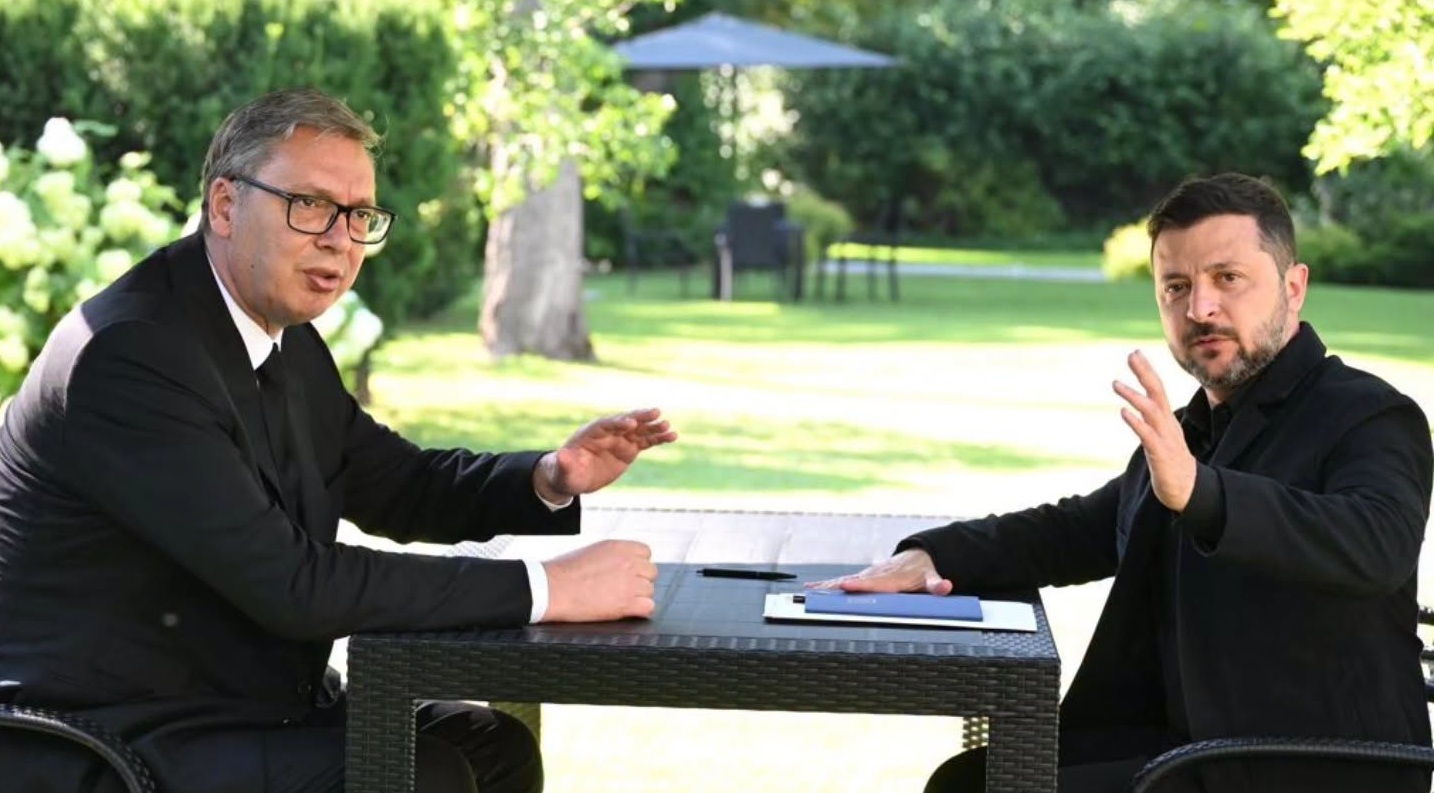
In a significant diplomatic move that underscores the complex geopolitical positioning of Balkan nations, Serbian President Aleksandar Vučić declined to endorse a joint declaration at the Ukraine-Southeastern Europe summit that condemned Russian aggression and called for an immediate end to the war in Ukraine. The declaration, signed by other participating nations, urged Russia to immediately cease military operations and withdraw all troops from Ukrainian territory. This decision highlights Serbia’s continued balancing act between its European Union aspirations and its historically close ties with Moscow.
The summit brought together leaders from across Southeastern Europe to discuss regional security concerns and demonstrate solidarity with Ukraine as the conflict continues into its third year. The joint declaration represented a unified stance from the region, emphasizing the importance of territorial integrity, sovereignty, and international law. However, Serbia’s refusal to sign marks a notable exception to this regional consensus, drawing attention from both European officials and international observers monitoring the Balkans’ alignment in the ongoing geopolitical confrontation.
Serbia’s Delicate Balancing Act Between East and West
Serbia’s position on the Russia-Ukraine conflict reflects its unique geopolitical situation in the heart of the Balkans. As an EU candidate country that has been in accession negotiations since 2014, Serbia faces increasing pressure to align its foreign policy with that of the European Union, which has imposed comprehensive sanctions on Russia. However, Belgrade has consistently refused to join these sanctions, maintaining economic and political ties with Moscow that date back centuries. The two nations share Orthodox Christian heritage, Slavic linguistic roots, and a history of diplomatic cooperation that has weathered numerous international crises.
President Vučić has repeatedly stated that Serbia pursues a policy of military neutrality and will not join NATO, a stance that resonates with much of the Serbian public. Russia’s support for Serbia on the Kosovo issue—Moscow has blocked Kosovo’s UN membership through its Security Council veto power—further cements this relationship. For many Serbians, Russia remains a crucial ally in their ongoing dispute over Kosovo, which declared independence in 2008, a move Serbia has never recognized. This complex web of historical, cultural, and strategic interests makes any definitive break with Russia politically challenging for Serbian leaders.
Regional Implications and European Response
The Serbian president’s decision not to sign the declaration has broader implications for regional stability and the EU’s efforts to present a united front against Russian aggression. Other Balkan nations, including EU members like Croatia, Slovenia, Bulgaria, and Romania, as well as EU candidates like Montenegro, North Macedonia, and Albania, have generally aligned themselves with Western positions on the conflict. Serbia’s outlier status creates a potential point of friction in regional diplomatic forums and raises questions about the consistency of EU enlargement criteria regarding foreign policy alignment.
European officials have expressed concern over Serbia’s reluctance to fully align with EU foreign policy positions, with some suggesting this could complicate Belgrade’s EU accession path. The European Commission’s annual progress reports on Serbia have consistently highlighted the need for greater alignment on foreign policy matters, particularly regarding Russia. However, the EU also recognizes the strategic importance of keeping Serbia engaged in the European integration process, as pushing too hard could potentially drive Belgrade further toward Moscow and Beijing, both of which have significantly increased their economic presence in Serbia through infrastructure investments and trade agreements.
The Broader Context of the Ukraine Conflict
The summit’s declaration comes as the war in Ukraine approaches a critical juncture, with ongoing military operations, continued international diplomacy, and various peace initiative proposals being discussed at multiple levels. Ukraine has been actively seeking to strengthen its ties with European nations and build broader international coalitions supporting its territorial integrity. Regional summits like the Ukraine-Southeastern Europe gathering serve as important platforms for reinforcing these partnerships and maintaining diplomatic pressure on Russia to end the conflict.
For Ukraine, securing broad European support remains essential not only for military and financial assistance but also for maintaining the international isolation of Russia. Every nation that refuses to condemn Russian actions or sign solidarity declarations represents a gap in this diplomatic cordon. Serbia’s position, while not surprising given its historical stance, nonetheless represents a disappointment for Ukrainian diplomats who have sought to build the widest possible coalition of support. As the conflict continues, the pressure on fence-sitting nations like Serbia to choose sides definitively is likely to intensify, potentially forcing difficult decisions that could reshape the region’s geopolitical landscape for decades to come.
Expert Opinion: Serbia’s refusal to sign this declaration demonstrates that Belgrade is increasingly finding it difficult to maintain its balancing act as the Ukraine conflict becomes more polarizing. While President Vučić has so far managed to preserve relations with both sides, this strategy may become untenable as the EU moves toward requiring stricter foreign policy alignment from candidate countries. Observers should watch closely for any shifts in Serbian policy following upcoming EU accession reviews, as Brussels may begin linking progress in membership talks more explicitly to sanctions compliance and diplomatic alignment.