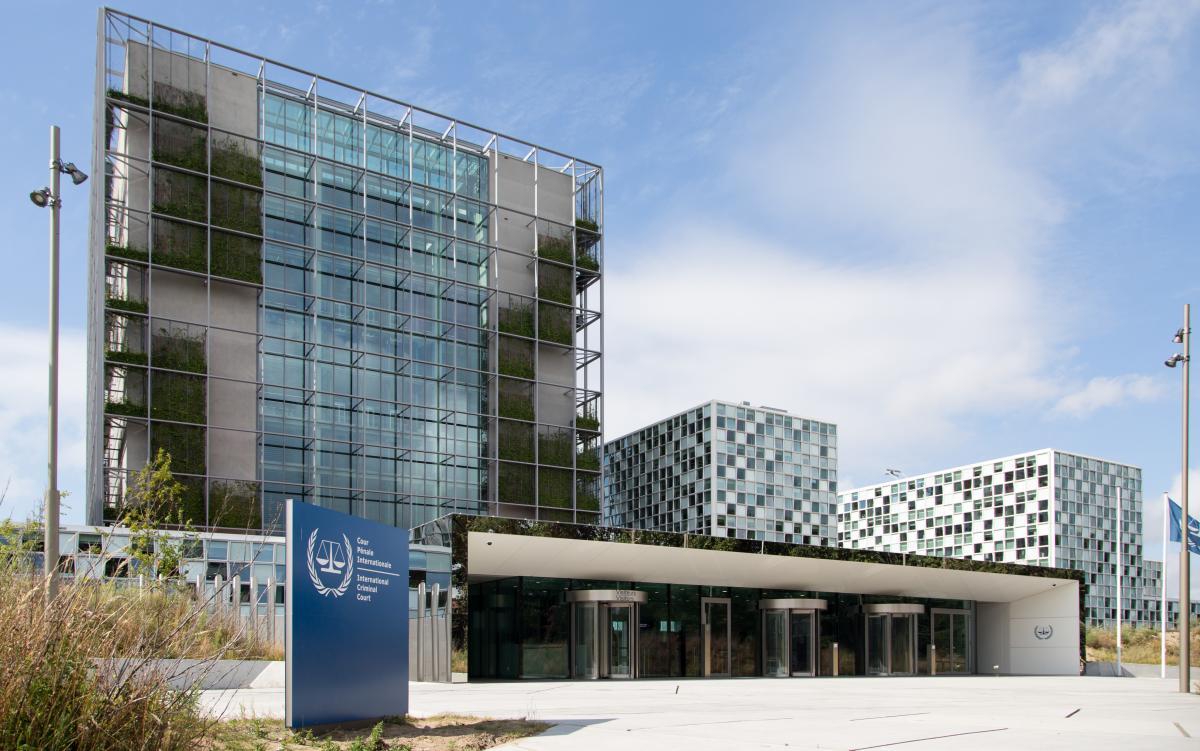
The United States has taken the unprecedented step of imposing sanctions on senior officials of the International Criminal Court (ICC), targeting the prosecutor who was instrumental in issuing an arrest warrant for Israeli Prime Minister Benjamin Netanyahu. This dramatic move marks a significant escalation in tensions between Washington and the international tribunal, raising serious questions about the future of international justice and the court’s ability to function independently. The sanctions represent one of the most aggressive actions any nation has taken against the ICC since its establishment over two decades ago.
The targeted sanctions specifically affect ICC Prosecutor Karim Khan, a British lawyer who has led the court’s investigation into alleged war crimes committed during the Israeli-Palestinian conflict. Khan’s office issued arrest warrants in November 2024 for Netanyahu and former Israeli Defense Minister Yoav Gallant, accusing them of war crimes and crimes against humanity related to military operations in Gaza. The move drew immediate condemnation from both Israel and the United States, which have long been critics of the court’s jurisdiction over their allies.
Historical Context of U.S.-ICC Relations
The relationship between the United States and the International Criminal Court has been contentious since the tribunal’s founding under the Rome Statute in 1998. The United States signed the treaty under President Bill Clinton but never ratified it, and President George W. Bush formally withdrew the American signature in 2002. Washington has consistently argued that the court could be used to politically target American military personnel and officials serving abroad. This fundamental disagreement over jurisdiction has placed the world’s most powerful nation at odds with an institution designed to prosecute the most serious international crimes.
Previous American administrations have also taken hostile actions against the ICC. During the Trump administration, the United States imposed sanctions on ICC officials investigating alleged American war crimes in Afghanistan, marking the first time any country had sanctioned court personnel. Those sanctions were later lifted by President Biden in 2021 as part of an effort to reset relations with international institutions. The current round of sanctions suggests a return to a more confrontational approach, potentially influenced by strong bipartisan support for Israel in the U.S. Congress.
Implications for International Justice
Legal experts and human rights organizations have expressed alarm at the American sanctions, warning that they could undermine the entire system of international criminal justice. The ICC was established specifically to prosecute individuals accused of genocide, war crimes, crimes against humanity, and aggression when national courts are unable or unwilling to do so. By targeting the court’s officials, critics argue, the United States is signaling that powerful nations and their allies should be exempt from international accountability mechanisms that apply to others.
The sanctions are expected to have practical consequences for the court’s operations. American financial institutions will be prohibited from conducting transactions with the sanctioned individuals, and any assets they hold in the United States could be frozen. This could significantly complicate the personal and professional lives of court officials while also potentially deterring qualified candidates from seeking positions at the ICC in the future. European allies of the United States, who are strong supporters of the court, have found themselves in an awkward diplomatic position, caught between their transatlantic partnership and their commitment to international law.
Global Reactions and Future Outlook
International reaction to the sanctions has been swift and largely critical. European Union officials have reaffirmed their support for the ICC and its mandate, while human rights organizations have condemned the American action as an attack on accountability. The court itself has issued statements defending its independence and commitment to impartial justice. Meanwhile, supporters of the sanctions in the United States argue that the ICC has overstepped its authority by targeting the democratically elected leader of a close American ally engaged in legitimate self-defense operations.
The sanctions raise profound questions about the future of international justice in an increasingly multipolar world. As great power competition intensifies, institutions like the ICC may find themselves caught between rival blocs, their effectiveness diminished by political interference. The outcome of this confrontation between Washington and The Hague could set important precedents for how international criminal law operates in the decades ahead, potentially reshaping the landscape of global governance and accountability for the most serious crimes known to humanity.
Expert Opinion: The U.S. sanctions against ICC officials represent a dangerous precedent that could fundamentally weaken international accountability mechanisms for decades to come. This move effectively creates a two-tier system of international justice where allies of powerful nations enjoy immunity while others face prosecution. The long-term consequence may be a significant erosion of the rules-based international order that the United States itself helped construct after World War II.