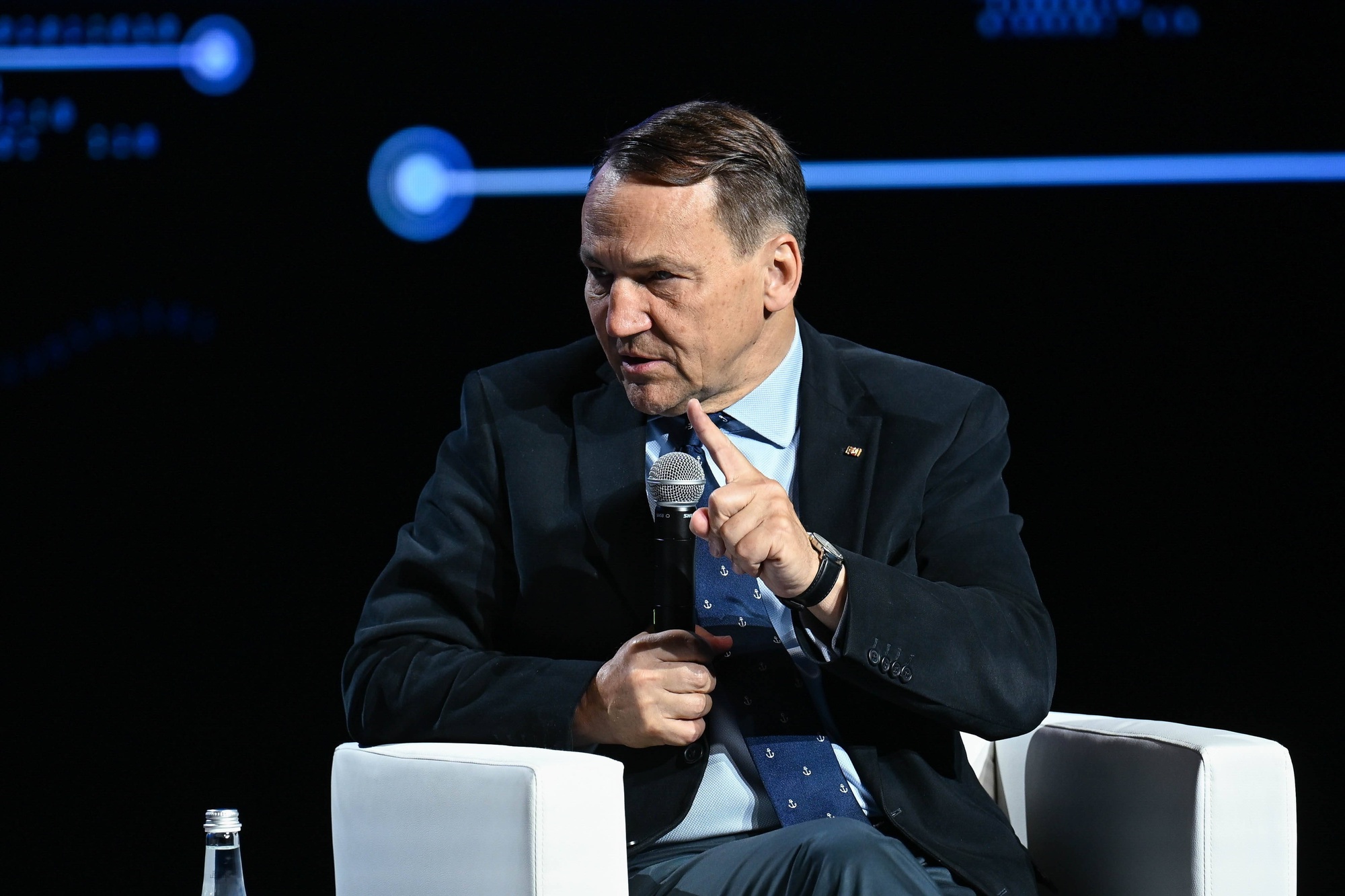
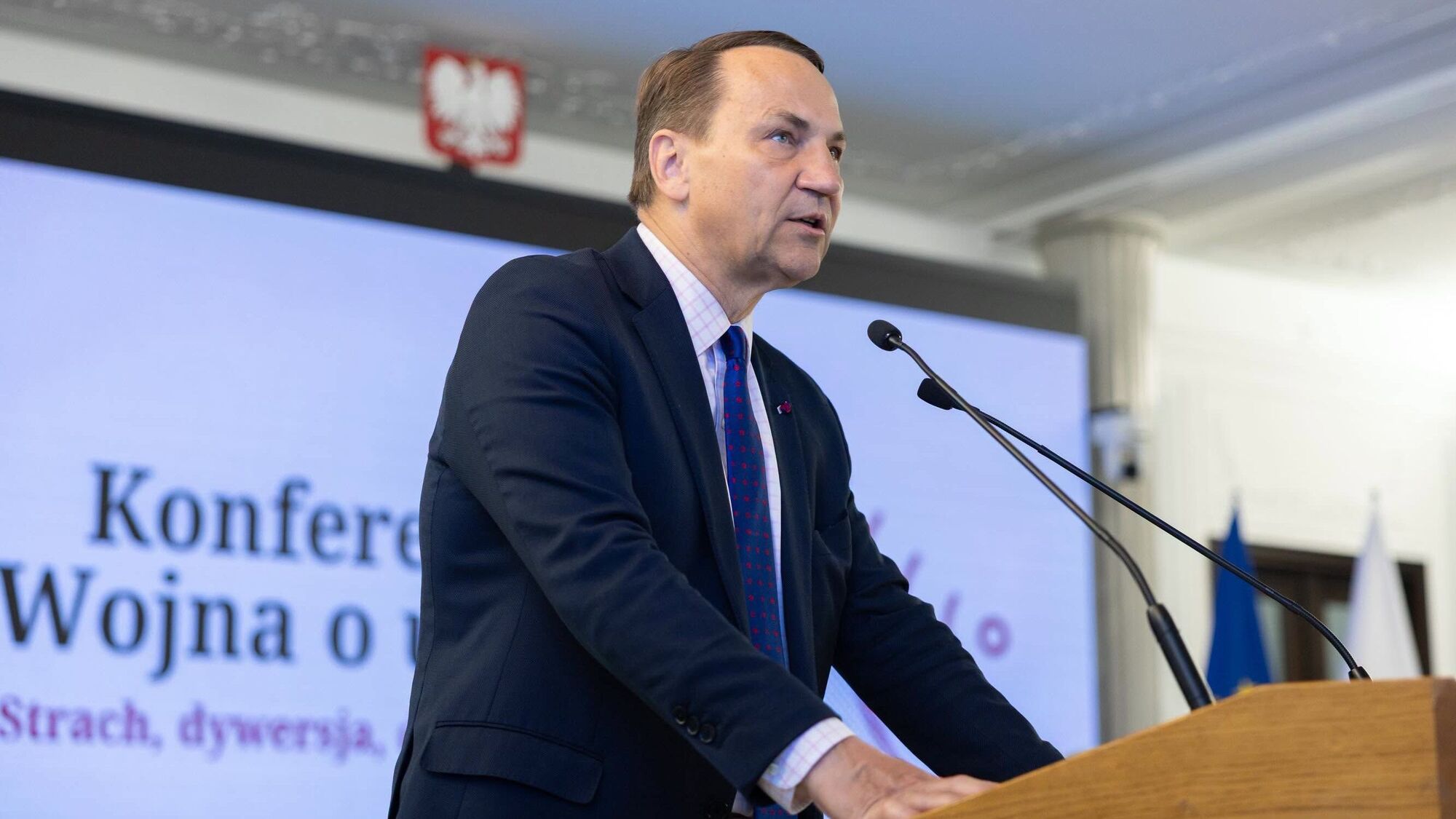
Poland’s Foreign Minister Radosław Sikorski has stated that Russia currently does not possess the necessary resources to launch an attack on Poland, though he cautioned that the threat of provocations from Moscow remains a real concern. The senior Polish diplomat made these remarks amid ongoing tensions between NATO’s eastern flank nations and the Russian Federation, which continues its military operations in Ukraine. Sikorski’s assessment reflects the complex security calculations that European leaders must navigate as the conflict in Eastern Europe enters its fourth year.
The Polish Foreign Minister‘s comments come at a time when NATO member states along Russia’s borders are reassessing their defense postures and military readiness. While expressing confidence in Poland’s current security situation, Sikorski acknowledged that Russian provocations cannot be ruled out, suggesting that Warsaw remains vigilant against potential hybrid warfare tactics, cyber attacks, or border incidents that have characterized Russian strategy in recent years.
Poland’s Strategic Position in European Security
Poland has emerged as one of the most vocal advocates for a robust NATO response to Russian aggression since the full-scale invasion of Ukraine began in February 2022. The country shares a border with Russia’s Kaliningrad exclave and has historically been wary of Moscow’s expansionist tendencies, drawing from centuries of complicated relations including partitions, occupations, and Soviet domination during the Cold War era. Today, Poland hosts significant NATO forces, including American troops stationed as part of the alliance’s Enhanced Forward Presence initiative.
The Polish government has dramatically increased its defense spending in recent years, with military expenditures now exceeding 4% of GDP – making it one of the highest ratios among all NATO members. Warsaw has also placed orders for advanced military equipment including American Abrams tanks, HIMARS rocket systems, F-35 fighter jets, and South Korean K2 tanks and FA-50 aircraft. This massive military modernization program reflects Poland’s determination to build what officials describe as one of the most powerful land armies in Europe.
The Reality of Russian Military Capabilities
Sikorski’s assessment that Putin currently lacks the means for an attack on Poland aligns with analyses from various Western military experts who note that Russian forces have been significantly degraded by the ongoing conflict in Ukraine. The Russian military has suffered substantial losses in personnel, equipment, and experienced commanders since February 2022. Military analysts estimate that Russia has lost thousands of tanks, armored vehicles, and artillery pieces, while casualty figures continue to mount. These losses have temporarily diminished Russia’s ability to project power beyond Ukraine’s borders.
However, defense experts caution against complacency. Russia’s defense industry has shifted to a wartime footing, with increased production of weapons and military equipment. Moscow has also demonstrated its ability to mobilize additional manpower, as evidenced by the partial mobilization announced in September 2022. Furthermore, Russia maintains significant nuclear capabilities and has shown willingness to engage in hybrid warfare tactics including cyberattacks, disinformation campaigns, and the weaponization of migration flows – tactics that could be employed against NATO members without triggering Article 5 collective defense provisions.
Implications for NATO and European Security Architecture
The Polish Foreign Minister’s statements carry significant weight within NATO councils, where Poland has become an increasingly influential voice on Eastern European security matters. The country serves as a crucial logistics hub for Western military aid flowing to Ukraine and has accepted more than one million Ukrainian refugees since the conflict began. Polish officials have consistently argued for stronger support for Kyiv and have pushed for more robust defensive measures along NATO’s eastern flank.
As European nations grapple with questions about the future of the transatlantic alliance and the sustainability of support for Ukraine, Sikorski’s measured assessment – acknowledging both current Russian limitations and ongoing risks – reflects the nuanced approach that NATO members must adopt. The challenge for Western policymakers lies in maintaining sufficient deterrence while avoiding escalation, all while supporting Ukraine’s defense against Russian aggression. The coming months will likely see continued debates about defense spending, military positioning, and the long-term security architecture of Europe.
Expert Opinion: Sikorski’s assessment represents a calculated diplomatic message designed to reassure Polish citizens while maintaining pressure on NATO allies to sustain their defensive commitments. The reality is that while conventional Russian military capabilities are currently constrained by the Ukraine conflict, the window of relative security may be temporary – Russia’s industrial mobilization and eventual conflict resolution could reconstitute offensive capabilities within 3-5 years, making continued NATO investment and cohesion absolutely critical for long-term European security.