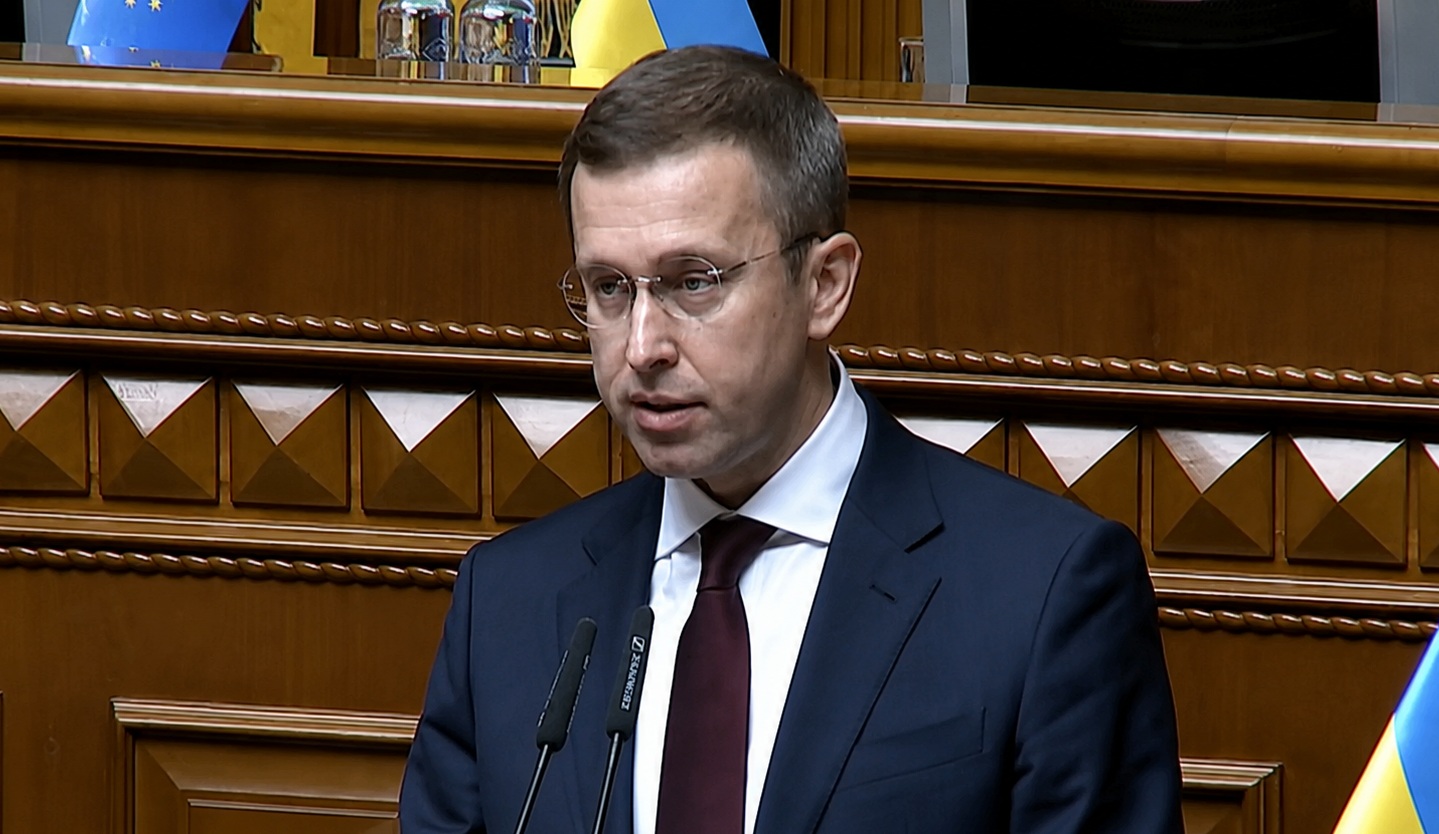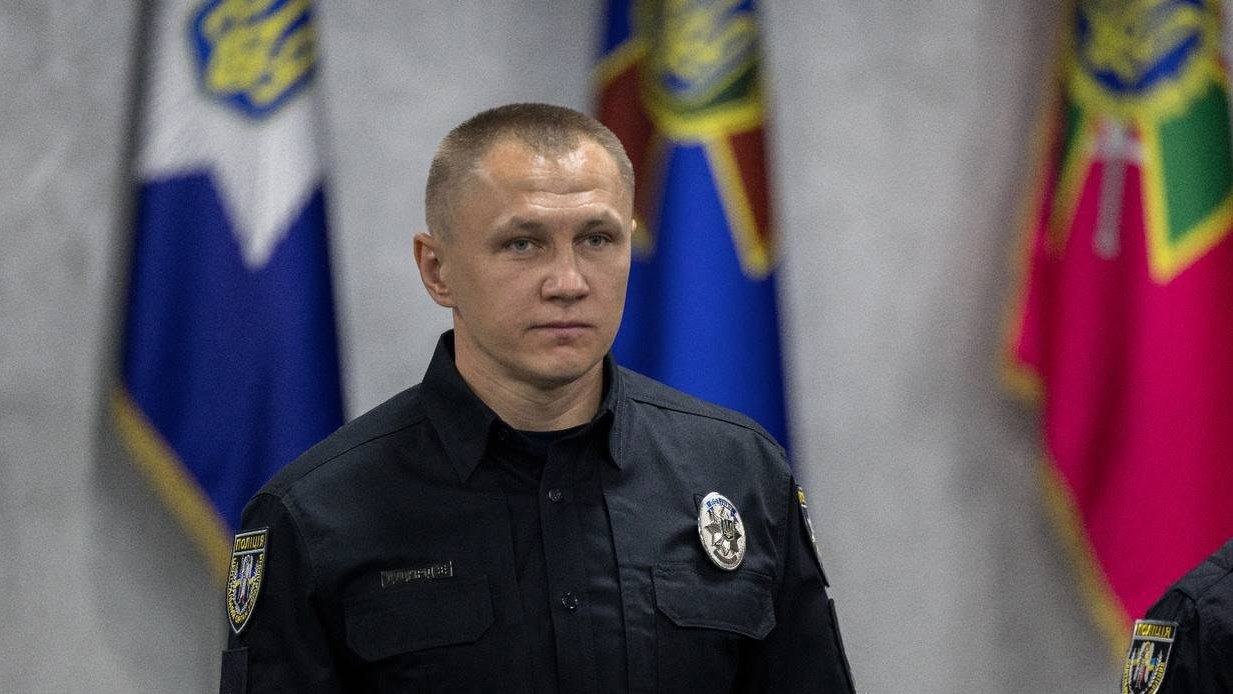
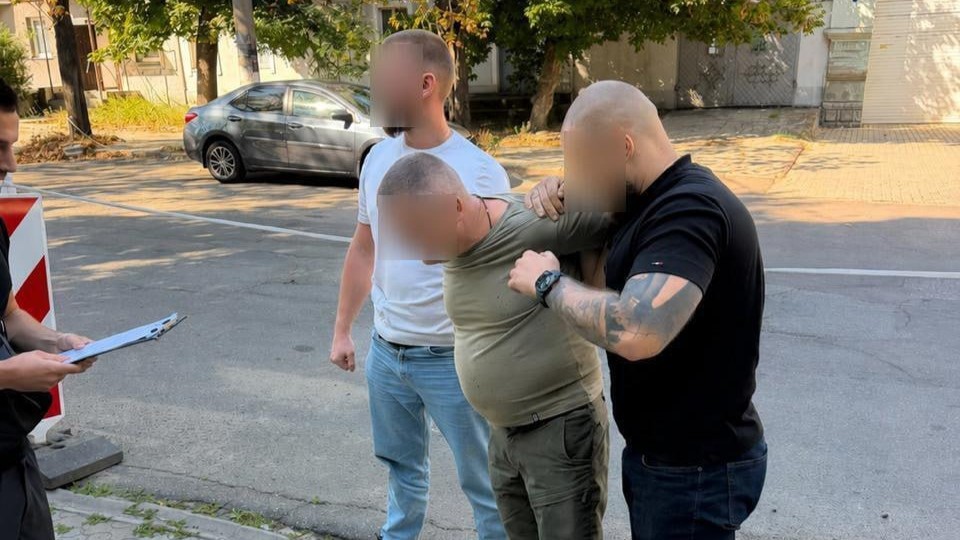
A high-ranking official from Ukraine’s military recruitment system is facing serious legal consequences after a court ruled on detention measures this week. The head of the Mykolaiv Regional Territorial Recruitment Center (TRC) has been ordered to either remain in custody for up to two months or post bail of 4.6 million hryvnias, equivalent to approximately 115,000 US dollars. This case represents one of the latest developments in Ukraine’s ongoing efforts to combat corruption within its military recruitment infrastructure during the ongoing conflict with Russia.
The court’s decision highlights the severity of the allegations against the official, though specific charges have not been publicly detailed. Ukrainian courts typically impose such substantial bail amounts in cases involving serious corruption allegations, abuse of power, or financial crimes committed by officials in positions of public trust. The alternative of pretrial detention in a remand facility underscores prosecutors’ concerns about potential flight risk or interference with the investigation.
Territorial Recruitment Centers Under Scrutiny
Ukraine’s Territorial Recruitment Centers have come under intense scrutiny since the full-scale Russian invasion began in February 2022. These offices, formerly known as military commissariats or “voenkomats,” are responsible for managing conscription, mobilization efforts, and military registration across the country. As the war has continued and the need for personnel has grown, reports of corruption within these centers have become increasingly common, prompting the government to take decisive action.
Throughout 2023 and 2024, Ukrainian authorities have arrested numerous TRC officials on charges ranging from accepting bribes in exchange for fraudulent medical exemptions to facilitating illegal border crossings for draft-age men. President Volodymyr Zelensky has repeatedly emphasized the need to root out corruption in the military recruitment system, recognizing that such misconduct undermines both public trust and the war effort itself. In August 2023, Zelensky dismissed all regional TRC heads simultaneously, ordering a comprehensive overhaul of the system.
The Scale of Recruitment Corruption
The problem of corruption in Ukraine’s recruitment system has been well-documented by both domestic investigators and international observers. According to data from Ukraine’s National Anti-Corruption Bureau and other law enforcement agencies, hundreds of criminal cases have been opened against TRC employees since the start of the full-scale invasion. Bribes for avoiding military service have reportedly ranged from several thousand to tens of thousands of dollars, creating a lucrative illegal market that exploits the desperation of those seeking to avoid combat.
The Mykolaiv region, located in southern Ukraine near the front lines and the Black Sea coast, holds particular strategic importance. The regional TRC there manages recruitment for a population that has already experienced significant displacement and combat exposure. Corruption in such a critical area not only affects local mobilization efforts but also has broader implications for Ukraine’s defensive capabilities in an active combat zone.
Government Response and Reforms
The Ukrainian government has implemented several measures to address systemic corruption in military recruitment. New electronic registration systems have been introduced to reduce opportunities for bribery, and oversight mechanisms have been strengthened. The passage of updated mobilization legislation in 2024 included provisions for increased accountability and transparency in the recruitment process. Additionally, law enforcement agencies have been given expanded powers to investigate suspected corruption within military structures.
International partners, including the United States and European Union member states, have emphasized the importance of anti-corruption efforts as a condition for continued support. Western officials have publicly stated that tackling corruption is essential not only for Ukraine’s military effectiveness but also for its long-term aspirations of European integration and NATO membership. The prosecution of high-ranking officials like the Mykolaiv TRC head sends a signal that no one is above the law, even during wartime.
Implications for Military Recruitment
The case against the Mykolaiv official will be closely watched as a test of Ukraine’s commitment to institutional reform under extraordinarily difficult circumstances. Legal experts note that the substantial bail amount reflects both the seriousness of the alleged offenses and the judiciary’s recognition that public officials must be held to higher standards of accountability. Whether the accused posts bail or remains in detention, the investigation and potential trial will likely reveal further details about the nature and scope of corruption in the regional recruitment system.
As Ukraine continues to mobilize resources for its defense, maintaining public confidence in the fairness of the recruitment process remains essential. Cases like this one demonstrate that while corruption persists, the government is taking concrete steps to address it. The outcome of this prosecution could influence future reform efforts and set precedents for how similar cases are handled across Ukraine’s 24 oblasts.
Expert Opinion: This case reflects Ukraine’s difficult balancing act between maintaining military mobilization momentum and ensuring institutional integrity during wartime. The substantial bail amount suggests prosecutors have significant evidence, and a successful prosecution would reinforce the message that anti-corruption efforts will not be suspended even amid existential security threats. Observers should watch for whether this leads to broader systemic reforms in the Mykolaiv TRC or reveals connections to wider networks of recruitment-related corruption.