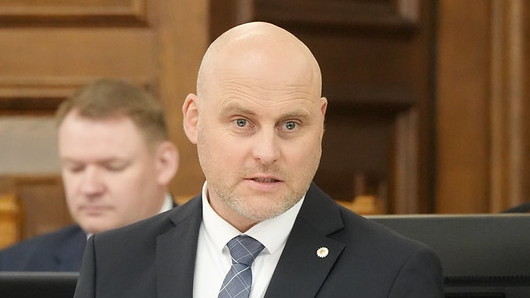
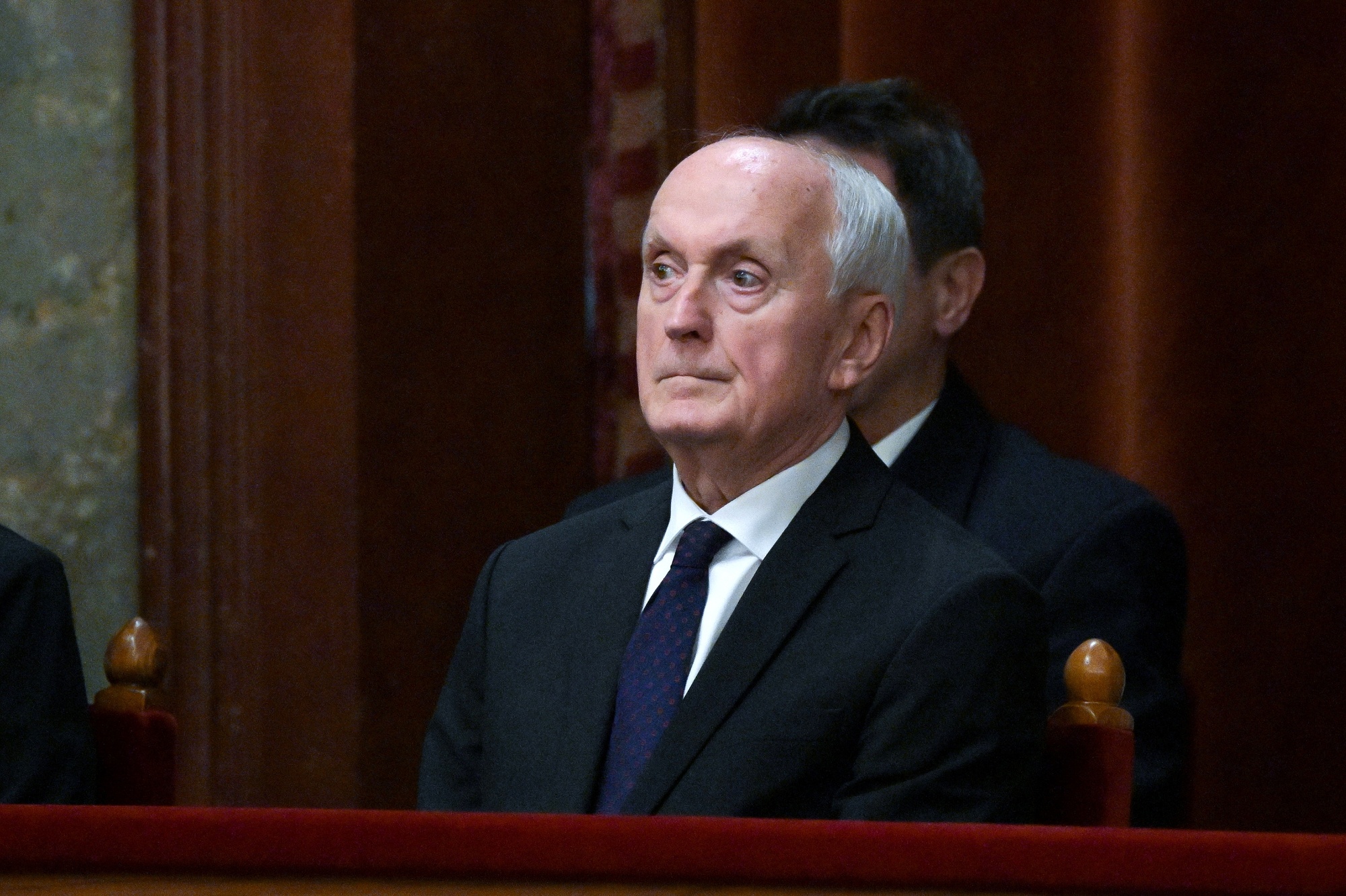
Hungary has elected a new president, marking a significant transition in the country’s political leadership. András Baka, the newly elected head of state, delivered his inaugural address outlining his vision for the nation, with particular emphasis on protecting the rights of ethnic Hungarians living abroad through diplomatic cooperation with neighboring countries rather than confrontational approaches.
In his keynote speech, Baka stressed that safeguarding the interests and rights of Hungarian minorities scattered across Central and Eastern Europe must be achieved through constructive dialogue and partnership with neighboring states. This statement signals a potentially more moderate tone in Hungary’s approach to diaspora politics, which has historically been a sensitive issue in the region.
Historical Context of Hungarian Minority Rights
The issue of Hungarian minorities abroad has deep historical roots stemming from the 1920 Treaty of Trianon, which ended World War I and resulted in Hungary losing approximately two-thirds of its territory. This territorial restructuring left millions of ethnic Hungarians living in what became Romania, Slovakia, Serbia, and Ukraine. Today, an estimated 2.5 million ethnic Hungarians reside in these neighboring countries, making minority rights a cornerstone of Hungarian foreign policy for over a century.
Previous Hungarian governments have taken varying approaches to this sensitive issue, ranging from diplomatic engagement to more assertive policies that occasionally strained relations with neighboring states. The granting of citizenship rights to ethnic Hungarians abroad and voting rights in Hungarian elections have been particularly contentious topics that have shaped regional dynamics in Central Europe.
The Presidential Election Process in Hungary
Unlike many European nations where presidents are directly elected by popular vote, Hungary’s president is chosen by the National Assembly, the country’s unicameral parliament. This parliamentary election system means the presidency often reflects the political composition of the legislature. The president serves a five-year term and can be re-elected once. While the role is largely ceremonial, with executive power resting with the prime minister, the president holds important constitutional functions including signing legislation, representing Hungary internationally, and serving as a symbol of national unity.
The previous presidency had been marked by controversy, creating a need for fresh leadership that could restore dignity to the office. Baka’s election represents an opportunity for Hungary to reset its presidential image both domestically and on the international stage. His legal background and experience in judicial matters are expected to bring a measured, rights-focused perspective to the position.
Implications for Regional Relations
Baka’s emphasis on cooperation rather than confrontation with neighboring states could signal a subtle shift in Hungary’s regional diplomacy. Relations between Hungary and several of its neighbors, particularly Slovakia, Romania, and Ukraine, have experienced periods of tension over minority language rights, education policies, and dual citizenship issues. A more collaborative approach, as suggested by the new president’s inaugural remarks, might help ease some of these longstanding frictions.
International observers and diplomatic analysts will be watching closely to see whether Baka’s conciliatory rhetoric translates into tangible policy changes or represents merely symbolic positioning. The relationship between the president and Prime Minister Viktor Orbán’s government will be crucial in determining how much influence Baka’s cooperative vision will have on actual foreign policy decisions. As Hungary continues to navigate its complex position within the European Union while maintaining its distinctive national interests, the new president’s approach to diaspora politics could serve as an important indicator of the country’s broader diplomatic trajectory in the years ahead.
Expert Opinion: András Baka’s emphasis on regional cooperation regarding minority rights suggests a potential diplomatic recalibration in Hungarian foreign policy, though the ceremonial nature of the presidency limits direct policy influence. The real test will be whether this rhetoric influences the Orbán government’s approach to neighbors like Ukraine and Romania, particularly as EU dynamics continue to evolve amid ongoing geopolitical tensions in Eastern Europe.