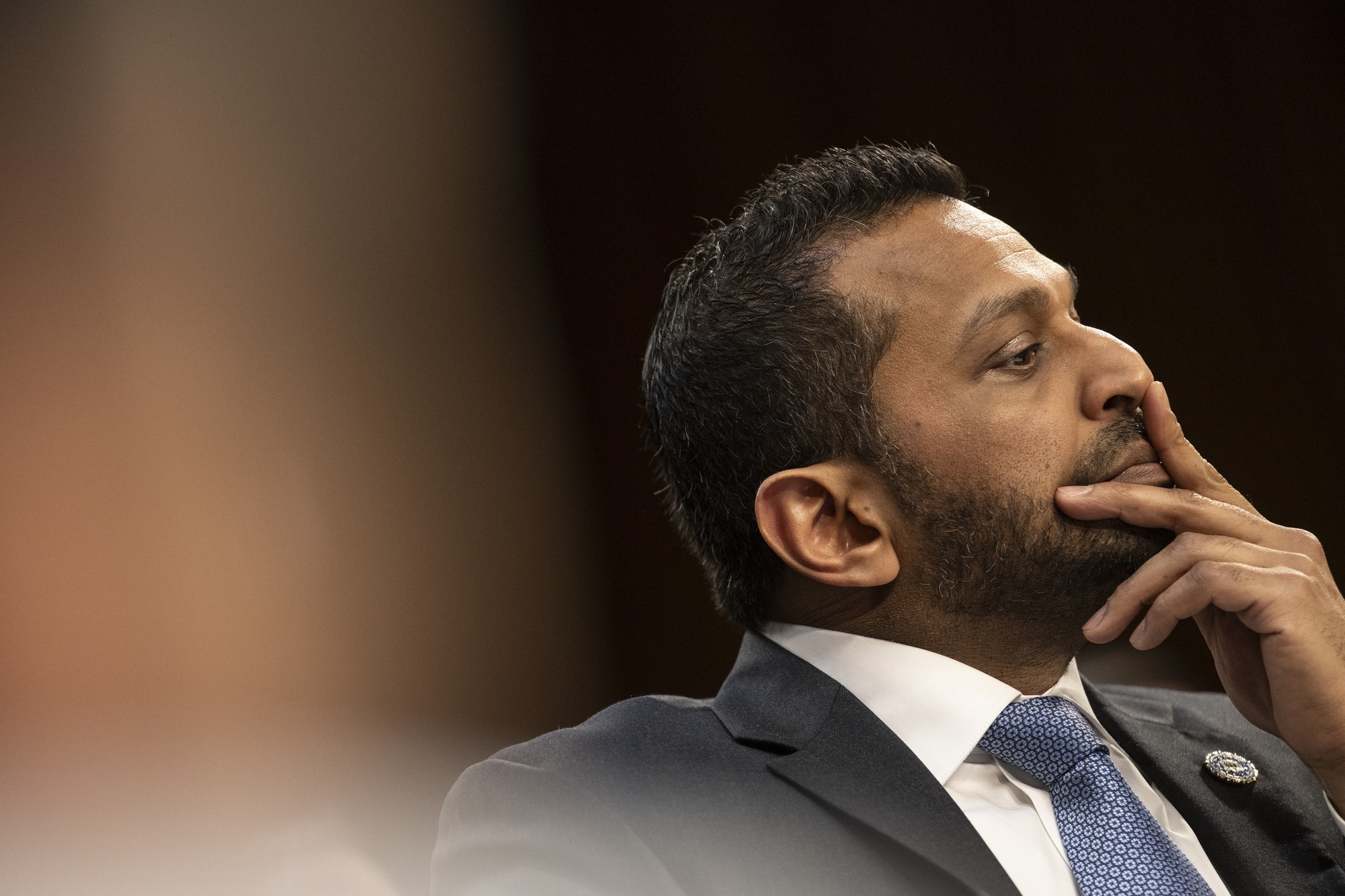
In a significant shift in international law enforcement relations, FBI Director Kash Patel has announced efforts to build cooperative relationships with police and security agencies in both China and Russia. This diplomatic outreach comes despite ongoing geopolitical tensions between the United States and these two nations, which Patel himself acknowledged remain strategic adversaries of Washington. The initiative represents a pragmatic approach to combating transnational crime that transcends traditional political boundaries.
Director Patel emphasized that while Russia and China continue to be viewed as opponents of American interests on the global stage, there are specific areas where cooperation could benefit all parties involved. The FBI’s outreach focuses primarily on fighting organized crime, cybercrime, drug trafficking, and other criminal activities that operate across international borders without regard for political alignments. This nuanced approach separates law enforcement cooperation from broader diplomatic and military tensions.
Historical Context of US-Russia-China Law Enforcement Relations
The relationship between American law enforcement agencies and their counterparts in Russia and China has experienced dramatic fluctuations over the decades. During the Cold War era, virtually no cooperation existed between the FBI and Soviet security services. Following the collapse of the Soviet Union in 1991, there was a brief period of increased collaboration, particularly in the 1990s and early 2000s, when joint efforts targeted organized crime syndicates operating in both countries. However, relations deteriorated significantly following Russia’s annexation of Crimea in 2014 and have remained strained through subsequent years of diplomatic tensions.
Similarly, FBI cooperation with Chinese law enforcement has been complicated by issues ranging from intellectual property theft accusations to allegations of Chinese government involvement in cyberattacks against American infrastructure and businesses. The previous administration had significantly curtailed many cooperative programs, citing national security concerns. Chinese police liaison programs with American cities were suspended, and several joint initiatives were terminated amid growing suspicion and competition between the two powers.
The Practical Need for International Cooperation
Despite political obstacles, law enforcement experts have long argued that effective crime fighting in the modern era requires international collaboration. Criminal organizations, particularly those involved in cybercrime, drug trafficking, and financial fraud, operate sophisticated networks that span multiple continents. Russian-speaking hacker groups have been responsible for some of the most damaging ransomware attacks on American infrastructure, while Chinese criminal syndicates have been linked to fentanyl precursor chemical exports that fuel the opioid crisis in the United States. Without some level of cooperation with local authorities, American law enforcement agencies face significant limitations in pursuing these criminal enterprises.
The FBI’s renewed outreach also comes at a time when the Trump administration has signaled interest in improving relations with Russia, particularly in the context of seeking a resolution to the conflict in Ukraine. This broader diplomatic thaw may have created space for law enforcement cooperation that would have been politically impossible in previous years. However, critics worry that such cooperation could compromise sensitive intelligence operations or provide authoritarian governments with information that could be used against dissidents or political opponents.
Challenges and Concerns Moving Forward
The initiative faces substantial obstacles from multiple directions. Congressional oversight committees have historically been skeptical of sharing sensitive law enforcement information with nations that actively conduct espionage operations against the United States. Privacy advocates and human rights organizations have raised concerns that cooperation with Chinese and Russian security services could inadvertently assist those governments in tracking and persecuting political dissidents who have fled to the United States. Former intelligence officials have cautioned that any cooperative framework must include robust safeguards to prevent exploitation by foreign intelligence services.
Nevertheless, proponents of the approach argue that carefully structured cooperation, focused on specific criminal matters and subject to strict oversight, could yield significant benefits. Similar arrangements exist between the United States and other nations with whom it has political disagreements, suggesting that law enforcement cooperation can be effectively compartmentalized from broader geopolitical competition. The coming months will reveal whether the FBI can successfully navigate these complex waters and establish productive relationships while protecting American security interests.
Expert Opinion: This FBI initiative reflects a pragmatic recognition that 21st-century crime operates beyond traditional borders, requiring unconventional partnerships even with strategic rivals. While the potential intelligence benefits of limited cooperation are real, success will depend entirely on establishing ironclad protocols that prevent sensitive information from being weaponized against American interests or vulnerable populations. The true test will be whether such cooperation can remain purely operational without becoming entangled in the broader political relationship between these powers.