
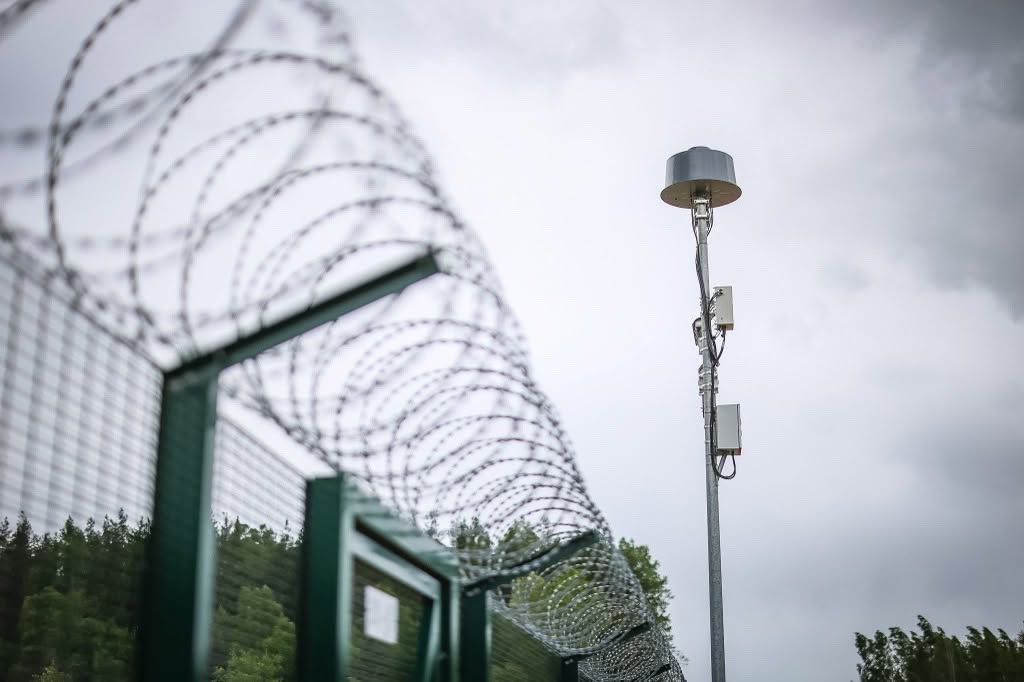
Estonia has completed the fortification of two additional sections of its land border with Russia in the southeastern region of the country, marking another significant step in the Baltic nation’s ongoing efforts to secure its frontier against potential migration pressure and hybrid threats. The announcement comes as European nations continue to grapple with security concerns along their eastern borders, particularly those shared with Russia and its ally Belarus.
The newly reinforced border sections represent part of Estonia’s comprehensive border security strategy that has been accelerated following Russia’s full-scale invasion of Ukraine in February 2022. Estonian authorities have been working systematically to modernize and strengthen the entire 294-kilometer land border with the Russian Federation, implementing advanced surveillance systems, physical barriers, and improved patrol infrastructure.
Strategic Importance of Border Security
The fortification efforts reflect growing concerns among Baltic states about potential weaponization of migration flows, a tactic that has been previously employed by Belarus against Poland, Lithuania, and Latvia. In 2021 and 2022, thousands of migrants were directed toward European Union borders in what Western officials described as a deliberate attempt to destabilize the region and pressure EU member states. Estonia, as a frontline NATO and EU member, has taken these threats seriously and invested significantly in border protection measures.
Estonia’s border security initiative includes the construction of a sophisticated barrier system featuring multiple layers of protection. The infrastructure incorporates high-tech surveillance equipment, including thermal imaging cameras, motion sensors, and drone detection systems. Additionally, physical barriers such as reinforced fencing and cleared patrol zones have been established to ensure rapid response capabilities for border guard units.
Historical Context and Regional Cooperation
The Estonian government has allocated substantial funding for border security projects over the past several years, recognizing the strategic importance of protecting the European Union’s external frontier. The country’s efforts are part of a broader regional approach, with neighboring Latvia and Finland also strengthening their respective borders with Russia. Finland, which shares a 1,340-kilometer border with Russia, began constructing its own barrier fence in 2023 following similar security concerns.
Estonia’s approach to border security has evolved significantly since regaining independence from the Soviet Union in 1991. The country has transformed its border infrastructure from Soviet-era facilities into modern, technologically advanced systems that meet European Union standards. The current fortification program represents the most ambitious upgrade in the nation’s history, with completion of the entire border enhancement project expected within the coming years.
Future Implications and Ongoing Developments
Security analysts note that Estonia’s proactive stance on border protection serves multiple purposes beyond immediate migration control. The reinforced border infrastructure also contributes to national defense capabilities and demonstrates the country’s commitment to collective NATO security obligations. As tensions between Russia and Western nations continue, these border improvements are seen as essential elements of Estonia’s overall security architecture. The government has indicated that additional sections of the border will continue to be upgraded, with the ultimate goal of creating a fully integrated surveillance and protection system along the entire Russian frontier.
Expert Opinion: The systematic fortification of Estonia’s border with Russia represents a strategic recalibration of Baltic security priorities in the post-2022 European landscape. As hybrid warfare tactics, including weaponized migration, become increasingly sophisticated tools of state pressure, we can expect continued investment in both physical infrastructure and technological surveillance capabilities across all NATO’s eastern flank nations throughout 2025 and beyond.