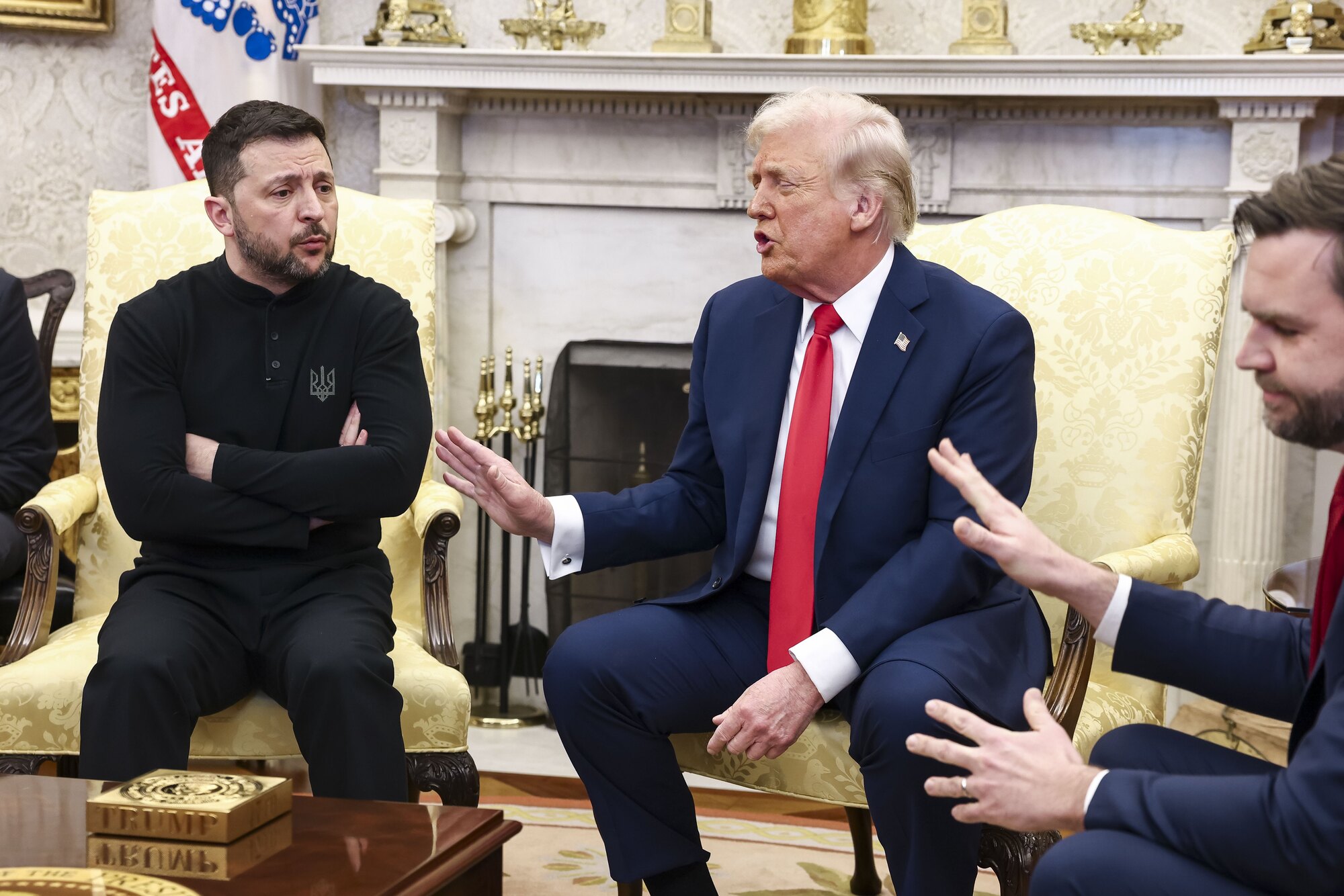
A significant shift in former President Donald Trump’s stance toward Ukraine has been attributed to the country’s remarkable achievements in drone warfare technology, according to American defense analysts. Sources within defense circles suggest that key advisors have convinced Trump that cooperation with Ukraine represents a strategic opportunity that the United States cannot afford to ignore. This change in perspective marks a notable departure from Trump’s previously skeptical position on providing extensive support to Kyiv during the ongoing conflict with Russia.
The transformation in Trump’s viewpoint reportedly stems from detailed briefings about Ukraine’s innovative approach to unmanned aerial vehicle development and deployment. Defense officials have highlighted how Ukrainian forces have effectively utilized domestically produced drones to counter a much larger Russian military force, demonstrating tactical creativity that has caught the attention of military strategists worldwide. These presentations have apparently made a compelling case for viewing Ukraine not merely as a recipient of American aid, but as a valuable partner in advancing drone technology.
Ukraine’s Drone Innovation Revolution
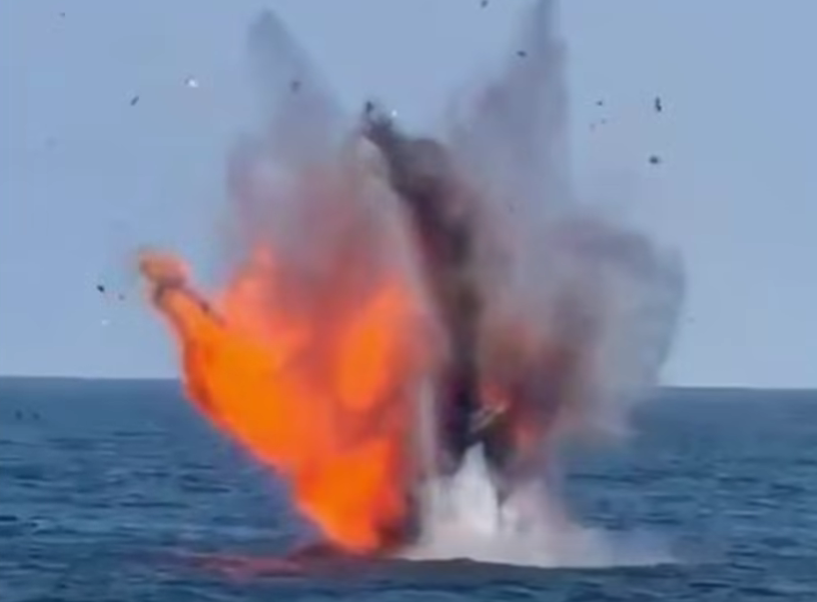
Ukraine’s emergence as a leader in combat drone technology represents one of the most significant military innovations of the 21st century. Since the full-scale Russian invasion began in February 2022, Ukrainian forces have developed an extensive ecosystem of unmanned systems, ranging from small commercial quadcopters modified for dropping grenades to sophisticated long-range strike drones capable of hitting targets deep within Russian territory. This grassroots innovation has been driven by a combination of military necessity and the involvement of thousands of volunteer engineers, software developers, and entrepreneurs who have contributed to what analysts call a “people’s drone army.”
The statistics surrounding Ukrainian drone production are particularly impressive. Reports indicate that Ukraine now produces tens of thousands of first-person view (FPV) drones monthly, with costs as low as several hundred dollars per unit. These relatively inexpensive weapons have proven devastatingly effective against Russian tanks, armored vehicles, and fortified positions worth millions of dollars. Military experts note that Ukraine has essentially created a new model of warfare where asymmetric advantages can be gained through rapid innovation and mass production rather than conventional military superiority.
Strategic Implications for U.S. Defense Policy
The potential shift in Trump’s position carries significant implications for American defense policy and the future of military technology cooperation. Defense analysts suggest that U.S. military planners are increasingly interested in learning from Ukraine’s real-world combat experience with drone systems. The Ukrainian battlefield has become an unprecedented testing ground for unmanned warfare concepts, providing invaluable data that could shape American military doctrine for decades to come. This practical knowledge cannot be replicated in training exercises or simulations, making Ukraine’s experience uniquely valuable to Pentagon strategists.
Furthermore, American defense contractors have taken note of Ukrainian innovations that challenge traditional procurement approaches. The rapid iteration and deployment of new drone systems in Ukraine stands in stark contrast to the often lengthy and expensive development cycles of conventional American weapons programs. Some analysts argue that partnerships with Ukrainian drone manufacturers could help inject much-needed agility into U.S. defense innovation, potentially revolutionizing how America approaches future conflicts.
The Broader Geopolitical Context
This reported change in perspective also reflects broader concerns about maintaining technological superiority over adversaries, particularly China. American military leaders have expressed growing anxiety about Beijing’s rapid advances in drone technology and artificial intelligence applications for warfare. Ukraine’s demonstrated ability to develop and deploy effective drone systems under extremely challenging conditions offers lessons that could prove crucial in any future confrontation. By cooperating with Ukraine, the United States gains access to battle-tested innovations while simultaneously supporting a partner resisting Russian aggression.
The timing of this shift is particularly noteworthy as debates continue about the future direction of American foreign policy and defense spending priorities. While some political voices have advocated for reducing U.S. involvement in overseas conflicts, the argument that Ukraine offers tangible technological benefits provides a different framework for evaluating the relationship. Rather than viewing support for Ukraine purely through the lens of humanitarian concerns or traditional alliance obligations, this perspective emphasizes practical strategic advantages that directly benefit American national security interests.
Expert Opinion: The reported shift in Trump’s stance on Ukraine represents a pragmatic recognition that modern warfare is being fundamentally transformed by accessible drone technology. If this position solidifies, we could see a new paradigm in U.S. defense partnerships where combat-proven innovation takes precedence over traditional alliance structures. The key question remains whether this technological appreciation will translate into sustained policy support or remain contingent on political calculations surrounding the 2024 election cycle.