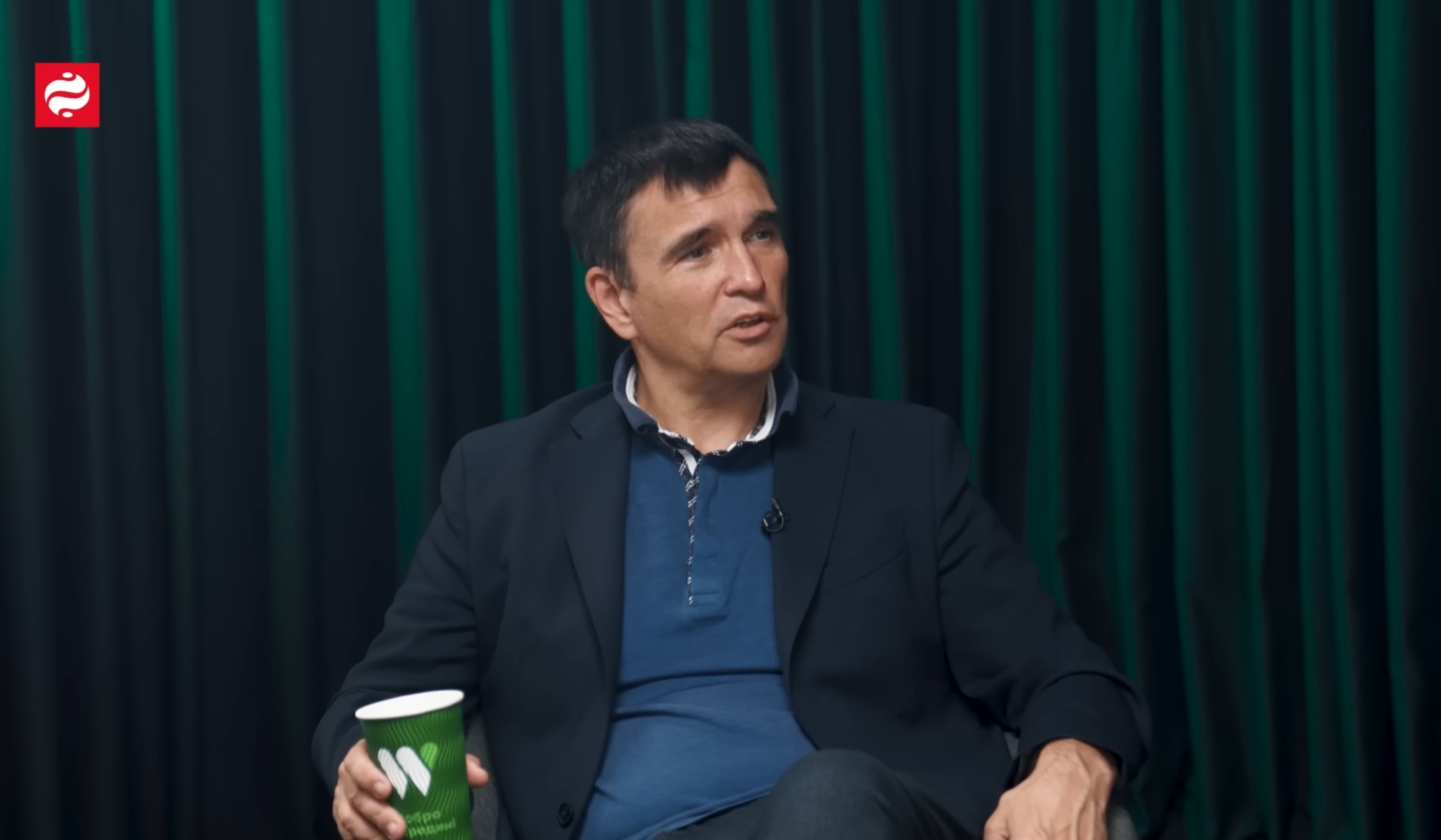
Former Ukrainian Foreign Minister Pavlo Klimkin has shared insights into the influential relationship between Senator Lindsey Graham and former President Donald Trump, highlighting Graham’s unique ability to gauge Trump’s temperament and effectively communicate important policy positions. Klimkin’s observations stem from his personal acquaintance with the South Carolina senator, which developed during Graham’s close collaboration with the late Senator John McCain, one of Ukraine’s most vocal supporters in the United States Congress.
The relationship between Graham and Ukraine dates back several years, during a period when bipartisan support for Kyiv was being cultivated in Washington. McCain, who passed away in 2018, was renowned for his hawkish foreign policy stance and unwavering commitment to supporting democratic movements worldwide, including Ukraine’s struggle against Russian aggression following the 2014 annexation of Crimea.
The McCain-Graham Partnership and Ukraine
Senator John McCain and Lindsey Graham formed one of the most prominent foreign policy partnerships in modern Senate history. Both Republicans frequently traveled together to conflict zones and allied nations, advocating for robust American engagement abroad. Their visits to Ukraine became particularly significant after the Euromaidan revolution and the subsequent conflict in eastern Ukraine. McCain’s death left a void in Ukraine advocacy circles, but Graham continued to maintain interest in the region’s security concerns.
Klimkin, who served as Ukraine’s Foreign Minister from 2014 to 2019, worked extensively with American officials during this critical period. His tenure coincided with some of the most challenging moments in Ukrainian-American relations, including the beginning of the Trump administration, which brought uncertainty about the future direction of U.S. policy toward Ukraine and Russia.
Graham’s Unique Position in Trump’s Circle
What made Graham particularly valuable as a conduit for Ukrainian interests was his remarkable transformation from a fierce Trump critic during the 2016 presidential campaign to one of the president’s closest allies in the Senate. This evolution gave Graham unusual access to Trump and an understanding of how to present ideas in ways that would resonate with the president’s worldview. According to Klimkin’s assessment, Graham possessed an intuitive sense of Trump’s mood and could time his interventions effectively.
This ability proved crucial during a period when traditional diplomatic channels were often bypassed or complicated by the unconventional nature of the Trump administration. Graham’s golf outings and personal meetings with Trump provided informal opportunities to discuss foreign policy matters, including issues related to Ukraine, in settings where the president might be more receptive than in formal briefings.
The Broader Context of U.S.-Ukraine Relations
The importance of having reliable advocates within the American political establishment cannot be overstated for Ukraine. Since 2014, the country has relied heavily on U.S. military assistance, economic support, and diplomatic backing in its confrontation with Russia. The continuation of this support across different administrations has required constant cultivation of relationships with key lawmakers who can influence policy regardless of which party controls the White House.
Klimkin’s reflections on Graham’s role illuminate the often-invisible mechanics of international diplomacy, where personal relationships and the ability to read political dynamics can be as important as formal negotiations. As Ukraine continues to navigate its complex relationship with Washington amid ongoing conflict, understanding these interpersonal dynamics remains essential for its diplomatic strategy moving forward.
Expert Opinion: The evolving nature of U.S.-Ukraine relations demonstrates how dependent smaller nations can become on individual political relationships rather than institutional commitments. As American politics continues to polarize, Ukraine’s diplomatic corps must develop multi-track engagement strategies that account for shifting power dynamics in Washington, ensuring that support remains durable regardless of electoral outcomes or personal political fortunes.