The Ukrainian Institute of National Memory has expressed serious concerns regarding a proposed Polish legislative initiative that would introduce criminal liability for promoting the ideology of the Organization of Ukrainian Nationalists (OUN) and the Ukrainian Insurgent Army (UPA). According to Ukrainian officials, such legislation could create a chilling effect on academic research and lead to widespread self-censorship among historians studying one of the most complex and controversial chapters of Eastern European history.
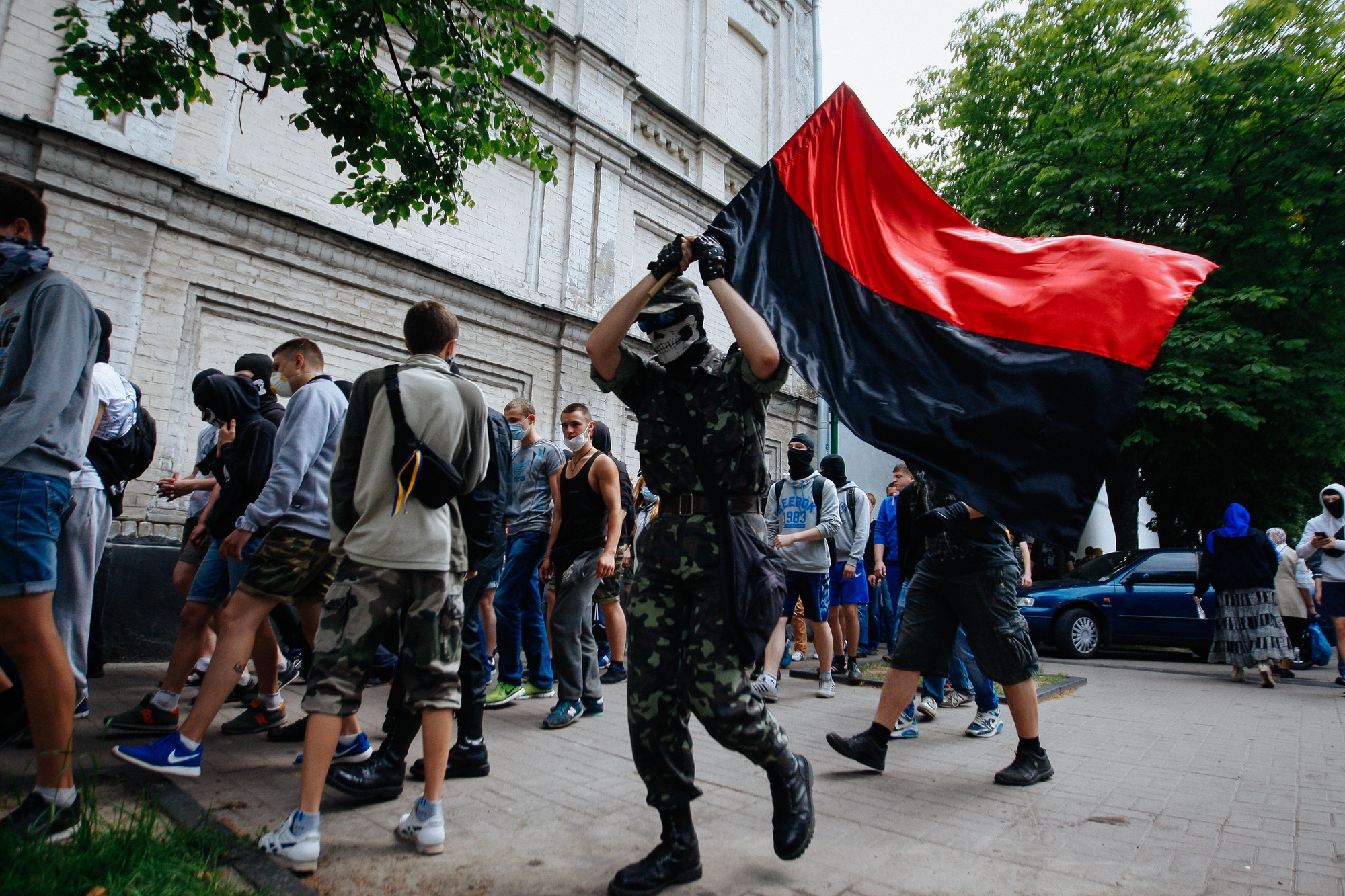
The proposed Polish bill represents the latest development in an ongoing historical dispute between Warsaw and Kyiv that has periodically strained diplomatic relations between the two neighboring countries. The legislation would criminalize what Polish lawmakers describe as the promotion or glorification of OUN and UPA ideology, organizations that operated during World War II and in the immediate postwar period. Critics of the bill argue that such broad legal language could potentially encompass legitimate historical research and academic discussion.
Historical Background of the OUN-UPA Controversy
The Organization of Ukrainian Nationalists was founded in 1929 with the goal of establishing an independent Ukrainian state. During World War II, the movement gave rise to the Ukrainian Insurgent Army, which fought against Soviet forces, Nazi Germany, and Polish resistance units at various points during the conflict. The most contentious aspect of this history involves the Volhynian tragedy of 1943-1944, during which ethnic Poles were killed in mass violence in the Volhynia and Eastern Galicia regions. Polish historians estimate that between 50,000 and 100,000 Polish civilians died during these events, while Ukrainian historians have documented retaliatory violence against Ukrainian populations as well.
This painful chapter in Polish-Ukrainian relations has remained a source of tension for decades. In 2016, the Polish parliament officially recognized the Volhynian events as genocide, a classification that Ukrainian authorities have contested. Ukraine acknowledges the tragic nature of the events but emphasizes the broader context of wartime violence and mutual suffering. The Ukrainian Institute of National Memory has consistently called for joint historical research and dialogue rather than unilateral legislative actions that could politicize scholarship.
Implications for Academic Freedom and Research
The Ukrainian Institute of National Memory’s warning about potential self-censorship reflects broader concerns within the international academic community about the criminalization of historical interpretation. Scholars argue that when governments introduce criminal penalties for expressing certain historical viewpoints, researchers may avoid controversial topics entirely or tailor their conclusions to avoid legal jeopardy. This phenomenon has been observed in other countries where memory laws have been enacted, leading professional historical associations to issue statements defending academic freedom.
International human rights organizations have previously raised concerns about memory laws that restrict historical debate. While such legislation is often intended to combat denial of atrocities or prevent the glorification of perpetrators, critics argue that overly broad language can suppress legitimate scholarly inquiry. The Council of Europe and various academic bodies have emphasized that historical truth is best established through open research and debate rather than criminal sanctions.
Diplomatic Ramifications and Future Relations
The proposed legislation comes at a particularly sensitive time for Polish-Ukrainian relations. Since Russia’s full-scale invasion of Ukraine in February 2022, Poland has emerged as one of Kyiv’s most important allies, providing military assistance, humanitarian aid, and refuge for millions of Ukrainian refugees. However, historical disputes have occasionally complicated this partnership, with politicians on both sides facing domestic pressure regarding memory issues. Ukrainian officials have expressed hope that the shared challenges of the present moment will encourage a more nuanced approach to historical disagreements.
Diplomatic observers note that both countries face a delicate balancing act between honoring the memory of their respective victims and maintaining the strong bilateral relationship that has developed during the current crisis. Some analysts suggest that establishing joint historical commissions or bilateral research projects could provide a constructive alternative to legislative measures, allowing both nations to address their painful shared history while preserving academic freedom and diplomatic cooperation.
Expert Opinion: The tension between commemorative legislation and academic freedom represents a growing challenge across Europe, where governments increasingly attempt to codify historical narratives through legal mechanisms. This Polish initiative, regardless of its ultimate fate, signals that memory politics will continue to complicate Polish-Ukrainian relations even amid unprecedented security cooperation. The long-term resolution of these disputes will likely require institutionalized dialogue mechanisms that can accommodate multiple national perspectives while maintaining scholarly independence.