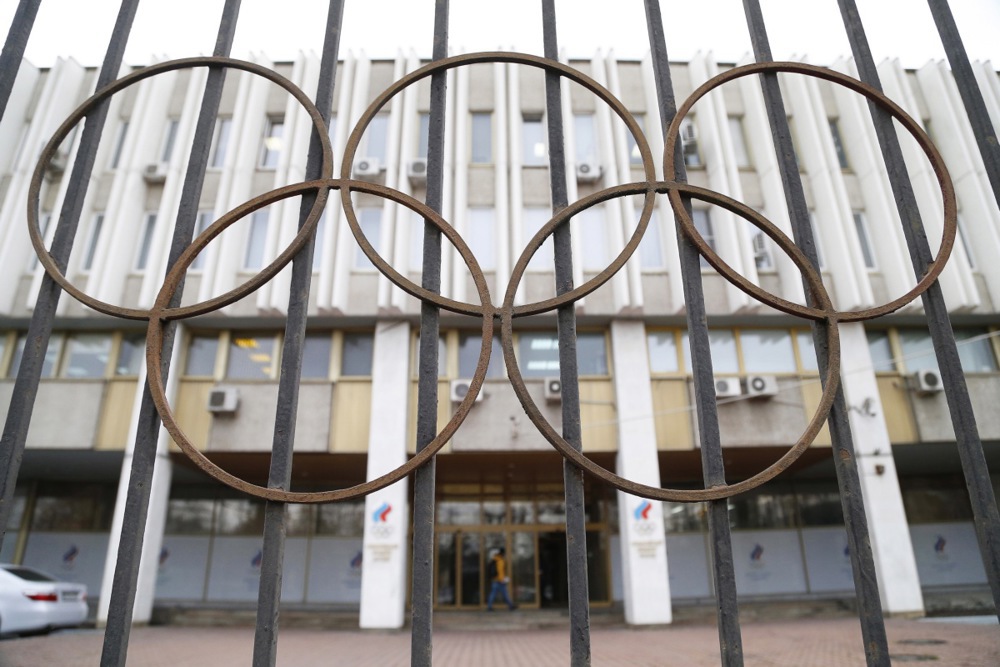
The International Olympic Committee has firmly rejected pressure from a coalition of European nations demanding changes to its policies regarding Russian athletes. In a decisive statement, IOC representatives made clear that the organization will not alter its current stance on the participation of competitors from Russia, despite mounting political pressure from member states who have threatened to withdraw their financial contributions to the global sports body.
The confrontation represents one of the most significant challenges to IOC authority in recent years, as nine European countries have united in calling for a complete cessation of funding to the organization. This diplomatic standoff highlights the growing tension between international sports governance and geopolitical realities that have emerged following Russia’s military actions in Ukraine, which began in February 2022.
The European Coalition and Their Demands
The coalition of nine European nations includes some of the continent’s most influential voices in international sports. These countries have expressed deep dissatisfaction with the IOC’s approach to handling Russian and Belarusian athletes, arguing that allowing their participation in international competitions—even under neutral status—undermines the broader international response to the ongoing conflict in Eastern Europe. The nations involved have suggested that continued financial support for the IOC is untenable while the organization maintains its current policies.
This collective action represents a significant escalation in the dispute between national governments and the traditionally autonomous world of international sports governance. The IOC has historically maintained strict independence from political interference, a principle enshrined in the Olympic Charter. However, critics argue that in times of serious international conflict, sports organizations cannot remain entirely divorced from geopolitical realities.
IOC’s Position on Neutral Athletes
The International Olympic Committee has maintained that sports should serve as a bridge between nations rather than a tool of political punishment. Under current IOC guidelines, Russian and Belarusian athletes may compete as Individual Neutral Athletes, provided they meet strict criteria including not actively supporting the war and having no affiliation with military or security organizations. The committee argues this approach balances the need for accountability with the fundamental Olympic principle that athletes should not be punished for the actions of their governments.
IOC President Thomas Bach has repeatedly defended this position, stating that blanket bans based on nationality contradict the Olympic Charter’s prohibition on discrimination. The organization points to historical precedents where athletes from countries involved in conflicts were permitted to compete, arguing that the Olympics have always sought to transcend political divisions. However, many European officials counter that the scale and nature of the current conflict demands a more decisive response from the international sports community.
Historical Context and Precedents
The current dispute echoes previous controversies in Olympic history, though the financial leverage being threatened is relatively unprecedented. During the Cold War, the Olympics faced boycotts from both Western and Eastern bloc nations, most notably the United States-led boycott of the 1980 Moscow Games and the Soviet response at the 1984 Los Angeles Olympics. However, direct threats to IOC funding from major European contributors represent a new form of pressure on the organization.
The IOC derives its revenue primarily from broadcasting rights and sponsorship deals, but contributions from National Olympic Committees and government support for hosting and athlete development programs remain significant. The potential withdrawal of funding from nine European nations could impact various IOC programs and send a powerful symbolic message about the limits of sports diplomacy in the current geopolitical climate.
Looking Forward: Implications for International Sports
As the 2024 Paris Olympics approach, the standoff between the European coalition and the IOC shows no signs of resolution. The French hosts have already indicated they will follow IOC guidelines regarding neutral athletes, though domestic political pressure remains significant. The outcome of this dispute could reshape the relationship between national governments and international sports bodies for years to come, potentially establishing new precedents for how global sporting events navigate complex geopolitical situations.
Expert Opinion: This confrontation marks a pivotal moment in the relationship between sports governance and international politics. The IOC’s refusal to yield suggests confidence in its institutional independence, but sustained pressure from major European contributors could eventually force compromises. The coming months will likely see intensified negotiations behind closed doors, with the Paris Olympics serving as the critical deadline for finding a workable solution that satisfies both diplomatic concerns and Olympic principles.