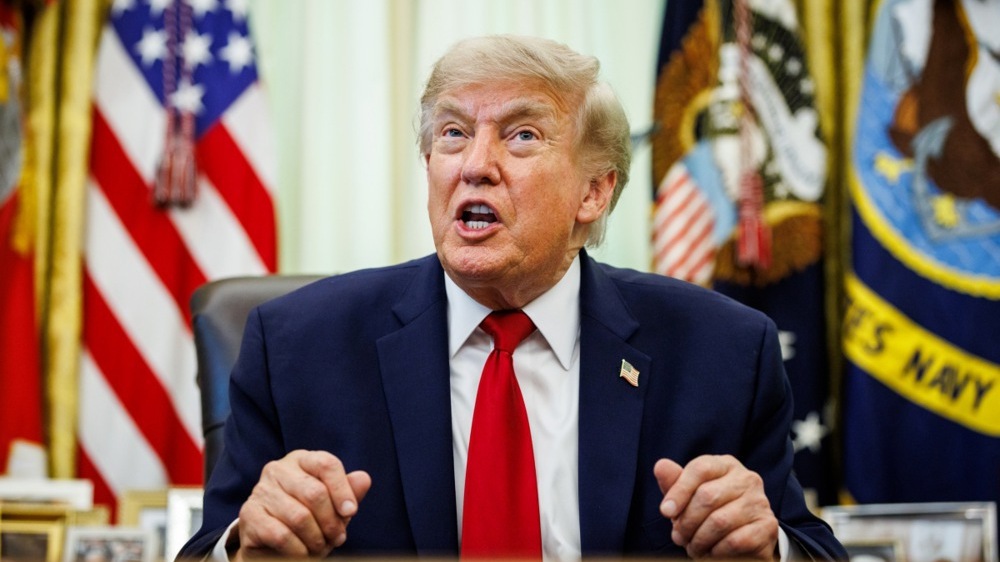
Tensions between the United States and Iran have escalated dramatically following reports of fresh military exchanges between the two nations. The latest developments mark a significant intensification of the ongoing confrontation that has kept the Middle East on edge for years. As missiles and drones reportedly crossed paths in the volatile region, U.S. President Donald Trump issued a stark warning to Iranian leadership, suggesting that continued resistance would leave the Islamic Republic with nothing remaining. The American president simultaneously offered what he framed as an off-ramp, urging Tehran to pursue a diplomatic resolution through direct negotiations.
Escalating Military Confrontation
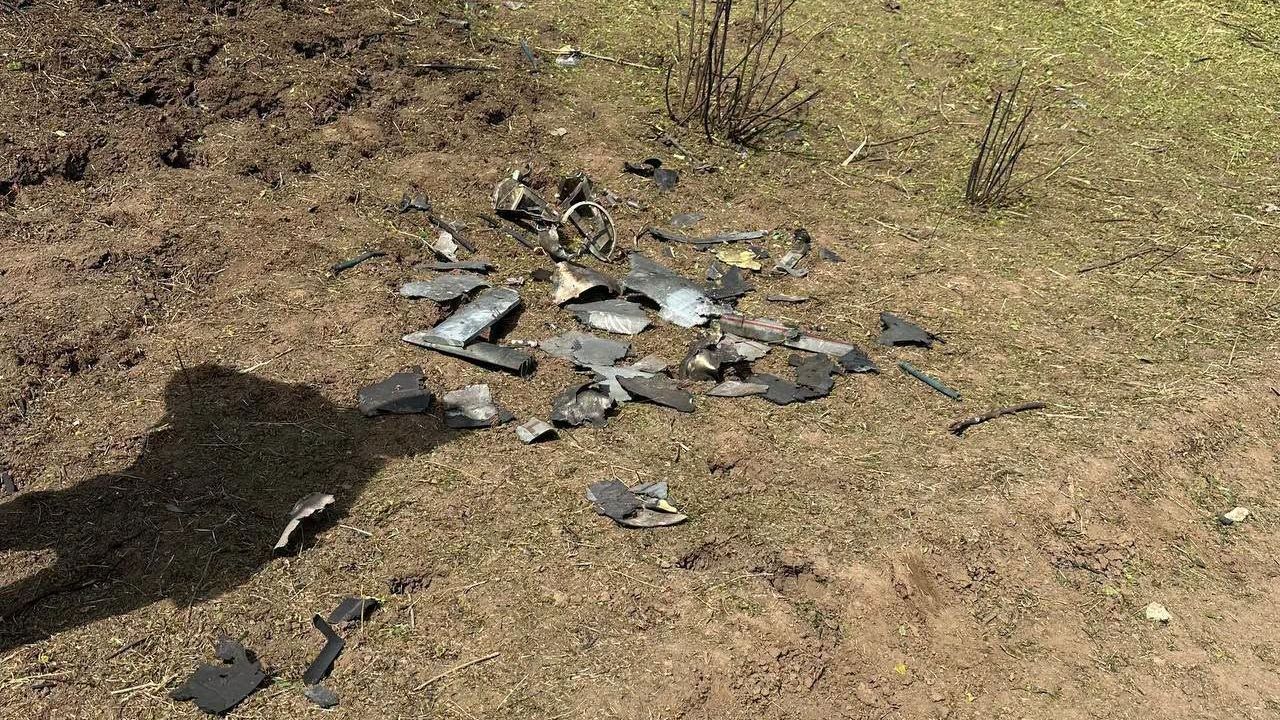
The exchange of strikes represents a dangerous new chapter in U.S.-Iran relations, which have been marked by periods of intense hostility since the 1979 Islamic Revolution that toppled the American-backed Shah. According to reports from both sides, the latest military actions involved precision strikes against strategic targets, though specific details about casualties and damage remain contested. The United States maintains a significant military presence in the Persian Gulf region, with naval vessels, aircraft carriers, and bases in neighboring countries providing substantial firepower projection capabilities. Iran, meanwhile, has developed an extensive arsenal of ballistic missiles and operates through a network of proxy forces across the Middle East, giving it asymmetric warfare options against American interests.
Military analysts suggest that both nations are carefully calibrating their responses to avoid triggering a full-scale war while simultaneously demonstrating resolve to their domestic audiences. The Iranian Revolutionary Guard Corps, designated as a terrorist organization by the United States in 2019, has historically played a central role in confrontations with American forces. Historical precedents for such exchanges include the January 2020 crisis following the U.S. assassination of General Qasem Soleimani, which prompted Iranian missile strikes against American bases in Iraq that caused traumatic brain injuries to dozens of U.S. service members.
Trump’s Warning and Diplomatic Overtures
President Trump’s declaration that Iran would have “nothing left” if it refuses to negotiate carries echoes of his previous “maximum pressure” campaign during his first term in office. That strategy involved withdrawing from the 2015 nuclear agreement negotiated by the Obama administration and imposing the most severe economic sanctions in history against the Iranian economy. The sanctions devastated Iran’s oil exports, triggered hyperinflation, and caused significant hardship for ordinary Iranians. Trump has consistently argued that economic pressure combined with military strength provides the optimal approach to forcing concessions from adversaries, a philosophy he has applied to various international disputes.
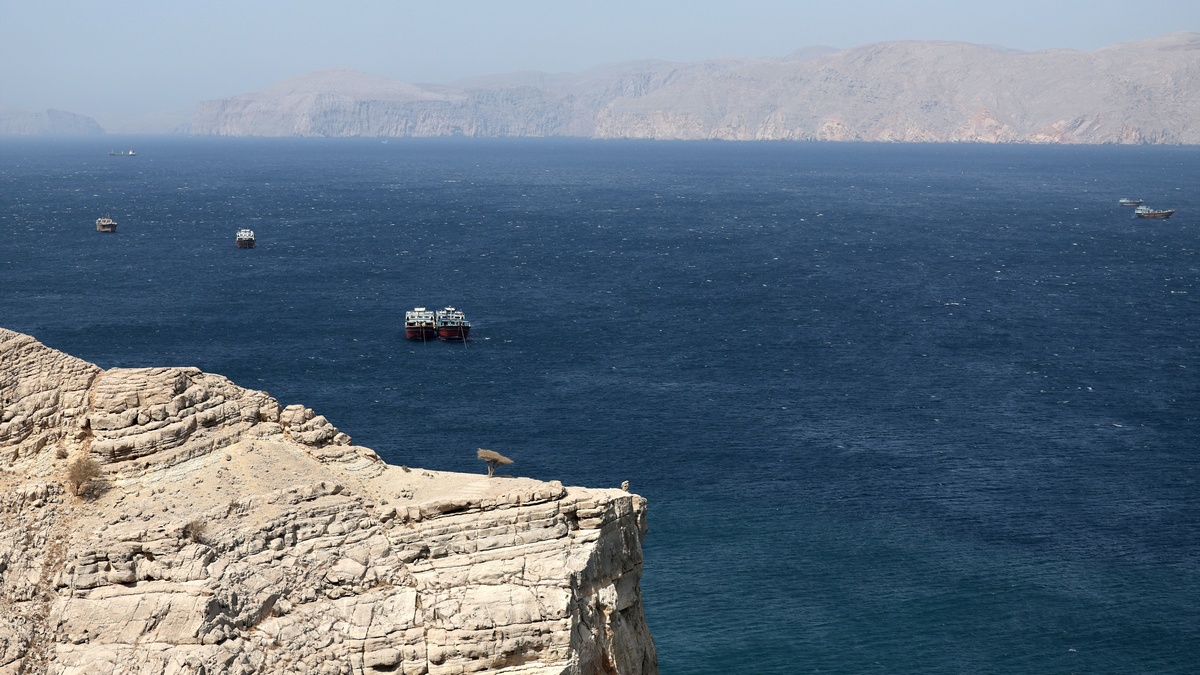
The offer to negotiate, however, suggests the administration is seeking to avoid a protracted military conflict that could destabilize global energy markets and draw the United States into another Middle Eastern quagmire. Oil prices have already shown volatility in response to the heightened tensions, with the Strait of Hormuz—through which approximately 20 percent of the world’s oil supply passes daily—representing a critical chokepoint that Iran has previously threatened to close. European allies have expressed concern about the escalation, with several nations calling for restraint and renewed diplomatic engagement to prevent a wider regional conflagration.
Regional Implications and Global Response
The confrontation between Washington and Tehran extends far beyond bilateral relations, with profound implications for the entire Middle East security architecture. Iran’s network of allied militias in Iraq, Syria, Lebanon, and Yemen provides it with significant leverage and the ability to strike at American interests through proxies. Israel, America’s closest ally in the region, has conducted its own extensive campaign against Iranian positions in Syria and has repeatedly warned about the threat posed by Tehran’s nuclear program. Saudi Arabia and other Gulf states, while maintaining complicated relationships with both powers, have generally aligned with American efforts to contain Iranian influence. The humanitarian consequences of any broader conflict would be severe, potentially displacing millions of people in a region already struggling with the aftermath of years of warfare in Syria, Iraq, and Yemen.
International organizations and diplomatic observers have urged both parties to exercise restraint and return to negotiations. The United Nations has offered to facilitate discussions, though previous diplomatic initiatives have repeatedly stalled over fundamental disagreements about Iran’s nuclear activities, missile program, and regional behavior. As the situation continues to evolve, the world watches anxiously to see whether the current crisis will escalate into open warfare or whether diplomatic channels can be established to de-escalate tensions before they spiral out of control.
Expert Opinion: The current U.S.-Iran confrontation appears designed to establish new red lines rather than initiate full-scale war, with both sides possessing strong incentives to avoid catastrophic escalation. However, the risk of miscalculation remains dangerously high, particularly given the involvement of proxy forces whose actions may not always align with Tehran’s strategic calculations. The coming weeks will likely determine whether this crisis becomes a turning point toward negotiations or the opening phase of a broader regional conflict.