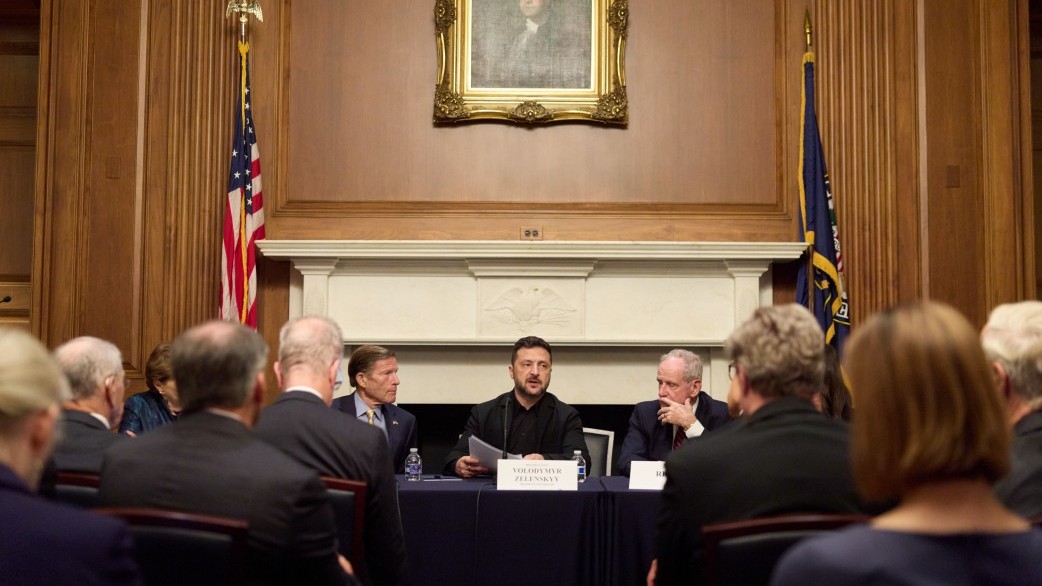
The United States Senate held a crucial procedural vote on a bill aimed at tightening sanctions against Russia, marking another significant development in Washington’s ongoing efforts to apply economic pressure on Moscow amid the prolonged conflict in Ukraine. The legislative action came as Ukrainian President Volodymyr Zelensky engaged in high-level meetings with American lawmakers, underscoring the continued importance of U.S.-Ukraine relations and the bipartisan nature of support for Kyiv on Capitol Hill.
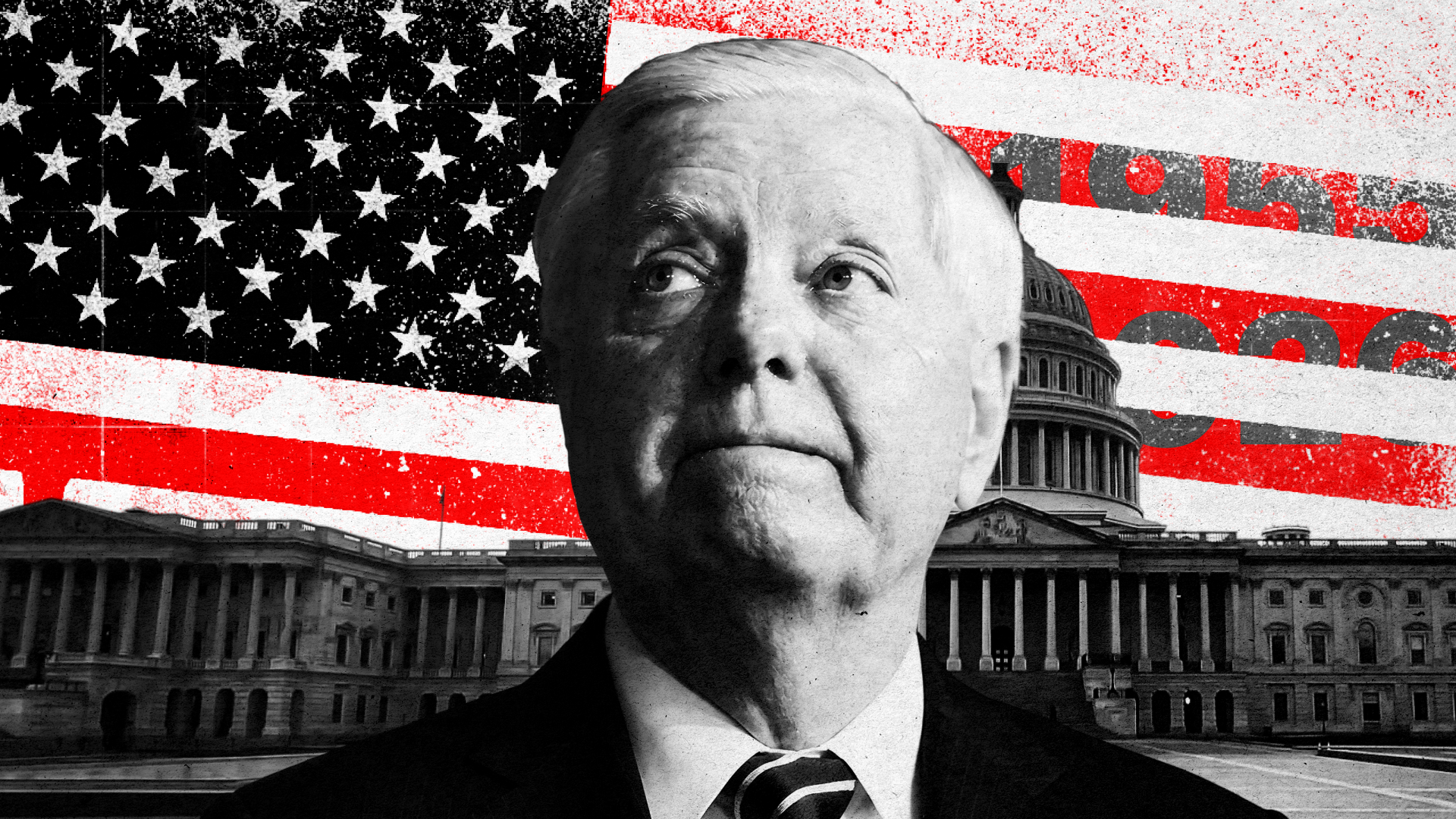
The sanctions bill, sponsored by Senator Lindsey Graham, represents one of the most comprehensive packages of economic restrictions targeting Russia since the full-scale invasion of Ukraine began in February 2022. The legislation seeks to close existing loopholes in current sanctions regimes and expand penalties on Russian financial institutions, energy sector entities, and individuals connected to the Kremlin’s war effort. Procedural votes in the Senate are critical stepping stones that determine whether legislation can advance for final consideration and passage.
The Graham Sanctions Package: Key Provisions and Congressional Debate
Senator Lindsey Graham, a Republican from South Carolina and longtime advocate for strong support of Ukraine, has been at the forefront of efforts to strengthen America’s sanctions architecture against Russia. His proposed legislation includes provisions that would mandate secondary sanctions on foreign banks and companies that continue to conduct business with sanctioned Russian entities. This approach mirrors tactics previously employed against Iran and North Korea, effectively forcing international businesses to choose between access to the American financial system and doing business with Russia.
The bill also targets Russia’s energy sector more aggressively, proposing restrictions on insurance and shipping services for Russian oil exports that exceed price caps established by the G7 nations. Energy exports remain Russia’s primary source of foreign revenue, and tightening enforcement of existing measures while adding new restrictions could significantly impact Moscow’s ability to finance its military operations. Congressional analysts note that such measures require careful calibration to avoid disrupting global energy markets while still achieving their intended punitive effect.
Zelensky’s Diplomatic Engagement with American Legislators
President Zelensky’s meetings with U.S. senators highlighted Ukraine’s continued diplomatic offensive to maintain and strengthen Western support as the conflict approaches its fourth year. These face-to-face interactions allow the Ukrainian leader to make direct appeals for military assistance, economic aid, and sustained political backing. Since the war began, Zelensky has become a familiar figure in Washington, having addressed joint sessions of Congress and met repeatedly with American officials at various levels.
The timing of these meetings is particularly significant given ongoing debates in Congress about the scale and duration of U.S. support for Ukraine. While bipartisan majorities have consistently backed aid packages, some lawmakers have raised questions about accountability, exit strategies, and the balance between supporting Ukraine and addressing domestic priorities. Zelensky’s personal diplomacy serves to reinforce the urgency of Ukraine’s situation and the strategic importance of preventing Russian territorial gains in Europe.
Historical Context and the Evolution of Russia Sanctions
The current sanctions regime against Russia has evolved significantly since initial measures were imposed following the annexation of Crimea in 2014. Those early sanctions targeted specific individuals and sectors but left much of Russia’s economy untouched. The 2022 invasion prompted an unprecedented expansion of economic warfare, including freezing Russian central bank assets, removing major Russian banks from the SWIFT international payment system, and implementing export controls on advanced technology.
Despite these measures, Russia’s economy has demonstrated unexpected resilience, partly due to continued energy exports to countries like China and India, as well as sanctions evasion through third-party countries. This reality has driven legislators like Senator Graham to pursue more aggressive approaches that address these circumvention strategies. Economists and foreign policy experts continue to debate the effectiveness of sanctions as a tool of statecraft, with some arguing they require time to achieve full effect while others suggest they have failed to alter Russian behavior meaningfully.
Expert Opinion: The Senate’s procedural vote on enhanced Russia sanctions reflects a growing recognition in Washington that existing measures require strengthening to remain effective. As sanctions evasion networks become more sophisticated, secondary sanctions targeting third-party actors may become the primary tool for maintaining economic pressure. The coming months will likely see continued legislative efforts to tighten restrictions, though the ultimate impact on Russian decision-making remains uncertain given Moscow’s demonstrated willingness to absorb significant economic costs in pursuit of its strategic objectives.