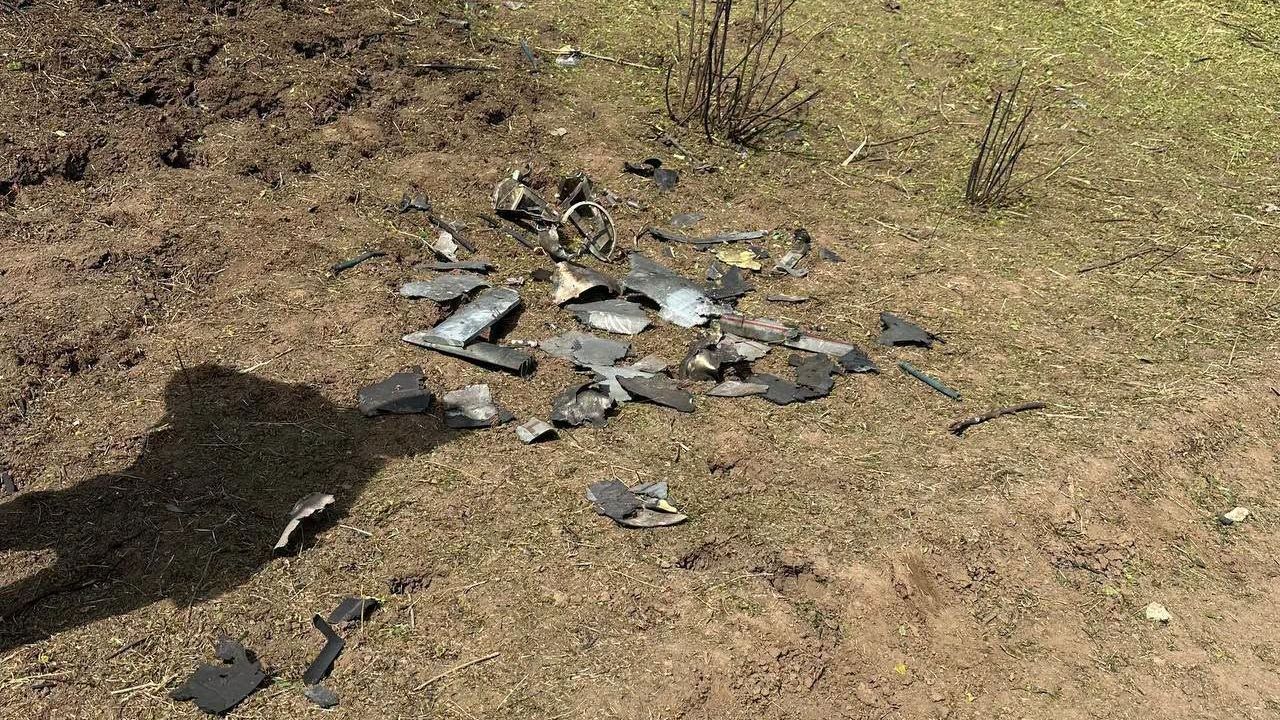
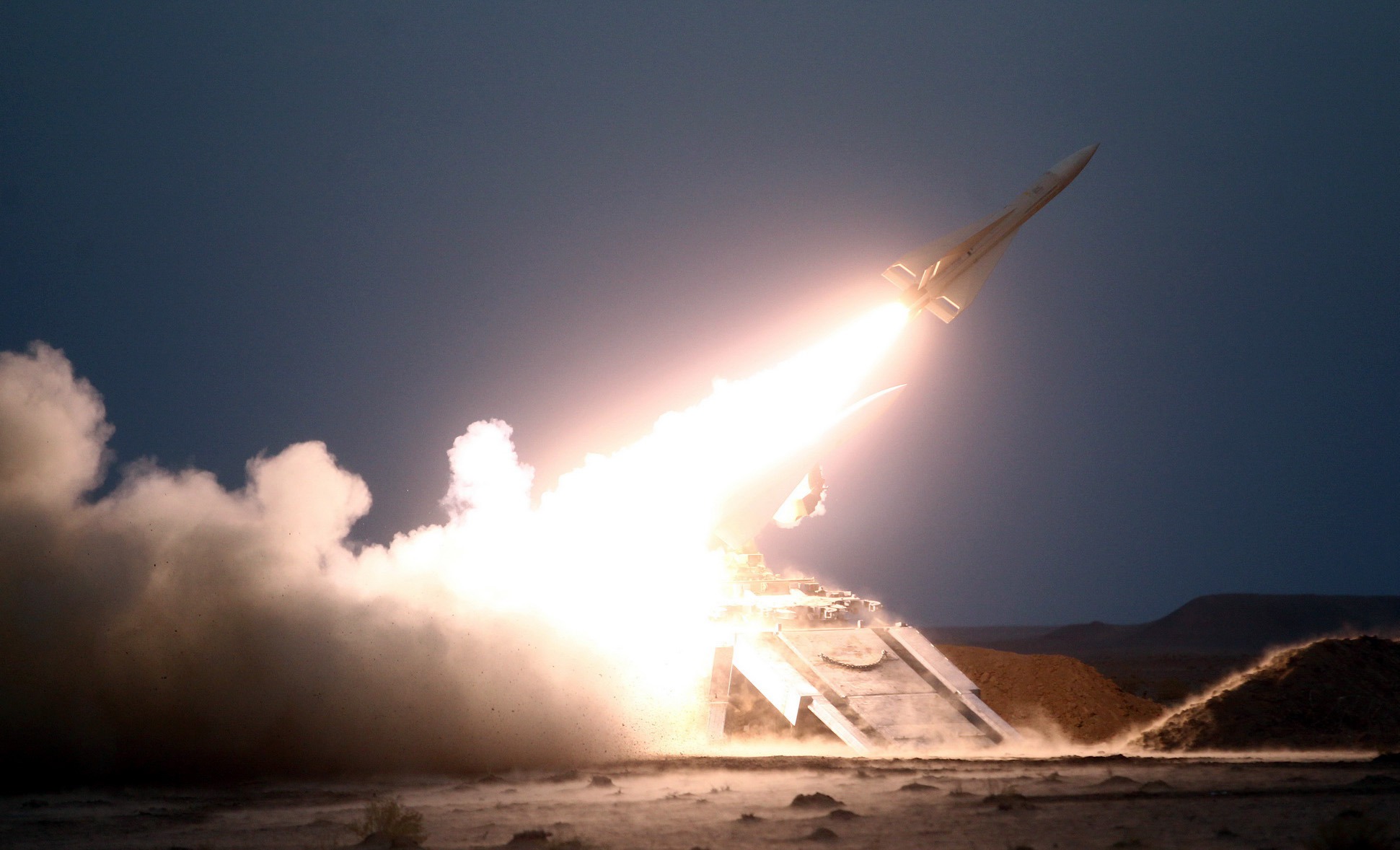
In a revelation that underscores the complex web of geopolitical tensions surrounding the ongoing conflict in Eastern Europe, sources have disclosed to The New York Times that Iran had been planning a ballistic missile attack on a Ukrainian seaport. According to individuals familiar with the matter, intensive diplomatic efforts successfully intervened to halt what could have become a dangerous escalation between Tehran and Kyiv, potentially drawing additional international actors into an already volatile situation.
Key Points
- Iran reportedly planned a ballistic missile strike on a Ukrainian seaport but was stopped through intensive back-channel diplomacy before execution.
- The attack would have marked a major escalation from Iran’s current drone-supply role, as ballistic missiles are far harder to intercept than Shahed UAVs.
- Ukrainian Black Sea ports handle roughly 90 percent of the country’s agricultural exports and remain critical to global grain supply chains.
- Western governments are expected to push for stronger sanctions on Iran’s defense sector following the disclosure of the planned strike.
- The incident highlights Tehran’s deepening military partnership with Moscow and its willingness to project power into European conflicts.
The planned strike, which reportedly targeted Ukrainian maritime infrastructure critical to the country’s grain exports and military supply lines, represents a significant escalation in Iran’s involvement in the Russia-Ukraine conflict. While Iran has consistently denied providing direct military support to Russia, Western intelligence agencies have documented the transfer of hundreds of Shahed drones to Moscow since 2022. These unmanned aerial vehicles have been used extensively in attacks on Ukrainian cities and energy infrastructure, causing widespread civilian casualties and damage.
Iran's Ballistic Arsenal and Strategic Calculus
Iran possesses one of the largest ballistic missile arsenals in the Middle East, with estimates suggesting the country maintains thousands of missiles of various ranges. The Islamic Revolutionary Guard Corps Aerospace Force operates systems ranging from short-range tactical missiles to medium-range ballistic missiles capable of striking targets up to 2,000 kilometers away. Military analysts note that Iran has invested heavily in missile technology development over the past two decades, viewing these weapons as a cornerstone of its strategic deterrence against regional adversaries and Western powers.
The potential use of Iranian ballistic missiles against Ukrainian targets would mark a dramatic shift from the drone warfare that has characterized Tehran’s contribution to Russia’s military campaign. Unlike the relatively slow-moving Shahed drones, which Ukrainian air defenses have learned to intercept with increasing efficiency, ballistic missiles travel at hypersonic speeds and present far greater challenges for defensive systems. Such an attack would likely trigger severe international consequences, including potential military responses from NATO members and expanded economic sanctions.
Why Ukrainian Ports Matter Beyond Ukraine
Ukrainian seaports, particularly those along the Black Sea coast, play a crucial role in both the country’s wartime economy and global food security. Before the full-scale Russian invasion in February 2022, Ukraine was one of the world’s largest exporters of grain, with approximately 90 percent of agricultural exports passing through maritime routes. The ports of Odesa, Mykolaiv, and others have become strategic targets throughout the conflict, with Russia conducting repeated attacks on port infrastructure in an apparent effort to cripple Ukraine’s export capabilities and economic resilience.
The diplomatic intervention that reportedly prevented the Iranian strike highlights the behind-the-scenes negotiations that often accompany modern conflicts. While specific details of the diplomatic channels involved remain classified, sources suggest that multiple countries may have participated in conveying messages to Tehran about the severe consequences of such an attack. This incident joins a pattern of quiet diplomacy that has occasionally succeeded in preventing the Ukraine conflict from spiraling into a wider regional or global war.
Western Response and the Road Ahead
The revelation of Iran’s planned attack is likely to intensify calls from Western governments for stronger measures against Tehran’s defense industry and its cooperation with Russia. The United States and European Union have already imposed multiple rounds of sanctions targeting Iranian drone manufacturers and military officials involved in transfers to Russia. However, critics argue that these measures have proven insufficient to halt the flow of Iranian weapons to the Russian military, and more aggressive economic or diplomatic pressure may be necessary.
Looking ahead, the incident raises serious questions about Iran’s willingness to expand its direct military involvement in European conflicts. Tehran’s motivations likely include strengthening its strategic partnership with Moscow, which provides diplomatic cover at the United Nations and assistance with Iran’s own defense programs. Additionally, Iranian hardliners may view weakening Ukraine as a way to challenge American global influence and demonstrate Tehran’s capability to project power beyond the Middle East.
What This Means for the Wider Conflict
The reported plan represents a qualitative shift in Iran’s posture toward the war in Ukraine. Supplying drones offers plausible deniability; launching ballistic missiles from Iranian soil—or coordinating their use—would directly implicate Tehran in hostilities against a European nation. That distinction matters because it could trigger NATO security consultations and justify far harsher countermeasures than the current sanctions regime.
For Kyiv, the episode underscores a vulnerability that air-defense upgrades alone cannot fully address. Patriot and SAMP/T batteries can engage ballistic threats, but stocks are limited and deployment priorities already stretched. A sustained Iranian missile campaign, even a small one, would force painful trade-offs between protecting cities, energy infrastructure, and export lifelines.
The successful diplomatic intervention suggests that Tehran still calculates costs and benefits rather than acting impulsively. Multiple states likely warned of consequences severe enough to change the calculus. Identifying who carried those messages—and what leverage they used—will shape future deterrence efforts. Expect Western intelligence agencies to watch for signs that Iran revisits the plan if pressure on Moscow intensifies or sanctions relief talks stall.
Frequently Asked Questions
Why would Iran target a Ukrainian port instead of other infrastructure?
Ports are economic chokepoints. Striking one disrupts grain exports that fund Ukraine’s war effort and creates global food-price pressure, which Tehran may calculate would erode Western resolve. Ports also serve as entry points for military aid, making them dual-use strategic targets.
How do Iranian ballistic missiles differ from Shahed drones in combat effectiveness?
Shahed drones are slow, loud, and increasingly intercepted by Ukrainian air defenses. Ballistic missiles travel at hypersonic speeds on steep trajectories, giving defenders far less warning and requiring specialized systems like Patriot to counter. A single missile hit can inflict damage comparable to dozens of drones.
What leverage do Western countries have to prevent future Iranian escalation?
Options include tightening sanctions on Iran’s missile and drone supply chains, designating the IRGC more broadly, interdicting weapons shipments, and coordinating secondary sanctions on third-party enablers. Diplomatic back channels, as this incident shows, also remain a tool when consequences are communicated credibly.
Expert Opinion: This near-miss incident signals a dangerous new phase in Iran’s willingness to directly engage in conflicts far beyond its traditional sphere of influence. The successful diplomatic intervention demonstrates that back-channel communications remain vital in preventing escalation, but the underlying trend of Iran-Russia military cooperation shows no signs of abating. Western policymakers must prepare for the possibility that Tehran may attempt similar provocations in the future, requiring both robust deterrence measures and continued diplomatic vigilance.