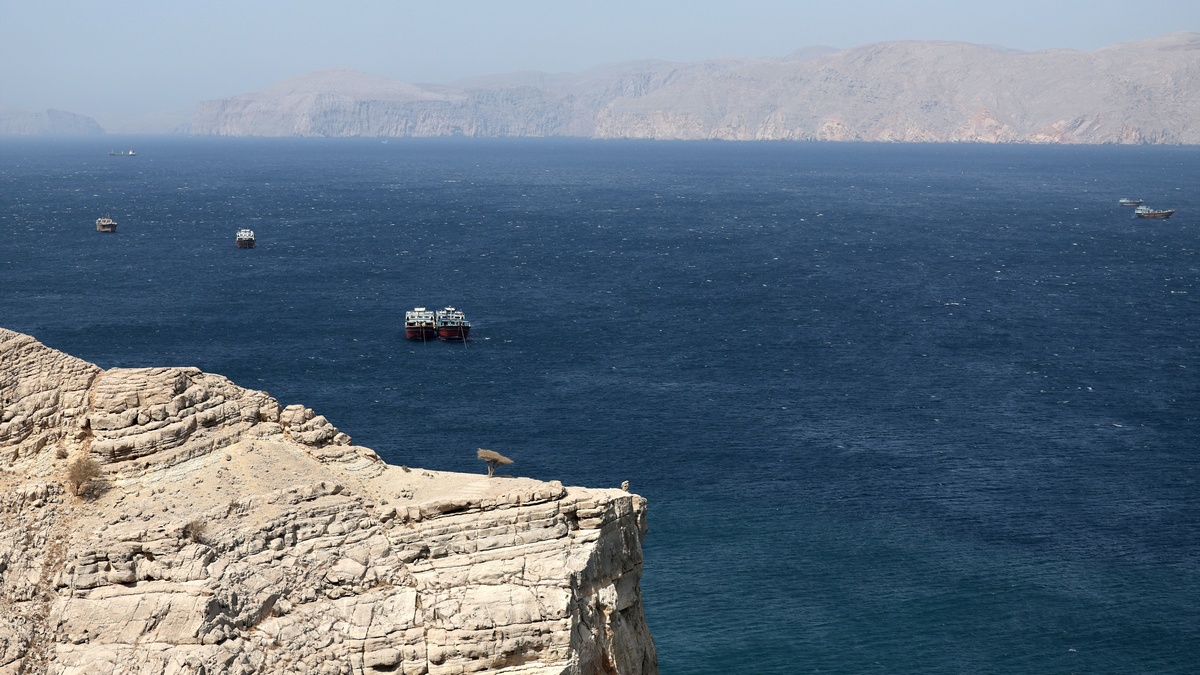
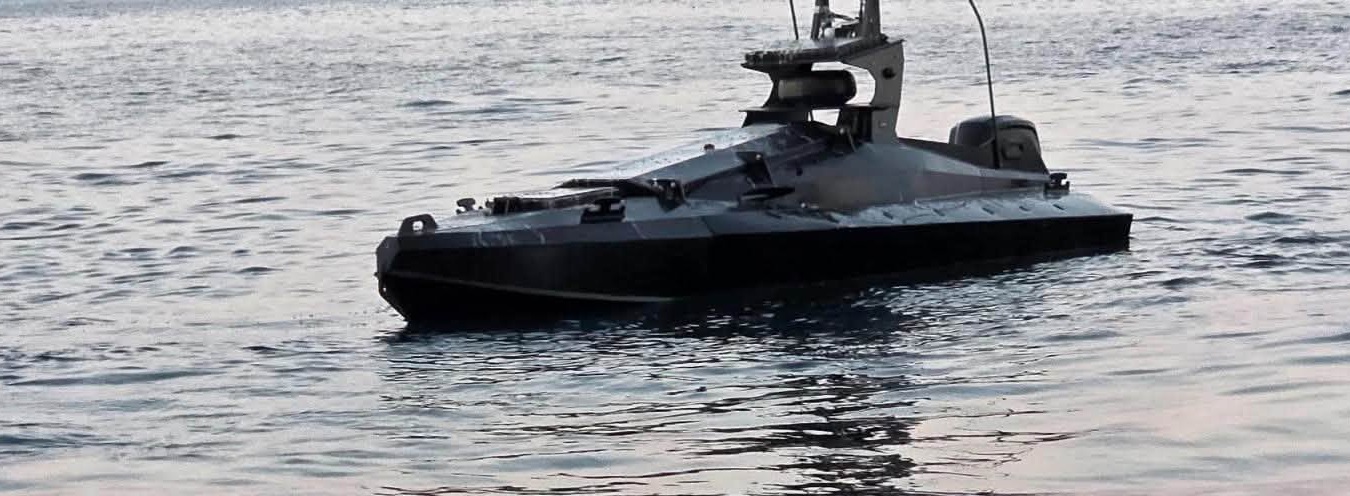
Romania’s air force successfully intercepted and destroyed an unidentified maritime drone that was detected approaching the vicinity of the country’s strategically vital Neptun Deep offshore gas project in the Black Sea. Romanian Defense Minister announced that the neutralized unmanned vessel did not belong to Ukraine, raising immediate questions about its origin and intended purpose. The incident underscores the heightened security concerns surrounding critical energy infrastructure in the Black Sea region amid the ongoing conflict between Russia and Ukraine.
The interception was carried out by Romanian fighter jets, marking a significant deployment of military assets to protect the nation’s energy interests. Romanian authorities have been on high alert since the beginning of Russia’s full-scale invasion of Ukraine in February 2022, with multiple incidents of drones and debris from the conflict affecting Romanian territory and waters. The Black Sea has become an increasingly contested zone, with both military and civilian infrastructure facing unprecedented security challenges.
The Strategic Importance of Neptun Deep
The Neptun Deep project represents Romania’s most ambitious energy undertaking in decades and holds the potential to transform the country into a major European gas producer. Located approximately 160 kilometers off the Romanian coast in the Black Sea, the deepwater gas field is estimated to contain reserves of up to 100 billion cubic meters of natural gas. The project is a joint venture between Romanian state-controlled OMV Petrom and Austrian energy giant OMV, with investments expected to exceed 4 billion euros.
Development of Neptun Deep has gained renewed urgency following the European energy crisis triggered by Russia’s invasion of Ukraine. The project could provide up to 10 billion cubic meters of gas annually, potentially covering a significant portion of Romania’s domestic needs while also enabling exports to neighboring countries seeking to reduce their dependence on Russian energy supplies. First gas production is anticipated around 2027, making the protection of this infrastructure a national security priority.
Rising Security Concerns in the Black Sea Region
The drone incident highlights the complex security environment that has developed in the Black Sea since the escalation of hostilities between Russia and Ukraine. Both nations have deployed various unmanned systems, including maritime drones that Ukraine has used effectively against Russian naval assets. The Black Sea has witnessed numerous attacks on Russian warships and port facilities, fundamentally altering naval warfare dynamics in the region.
Romania, as a NATO member state, has significantly increased its military readiness along its Black Sea coast. The country has invested in air defense systems and enhanced its surveillance capabilities to protect both its territorial waters and critical infrastructure. NATO allies have also bolstered their presence in the region, with additional air policing missions and naval patrols becoming routine. The alliance has repeatedly emphasized its commitment to protecting member states’ sovereignty and vital interests.
Investigation and International Implications
Romanian authorities have launched a thorough investigation to determine the origin and purpose of the destroyed maritime drone. While officials have definitively ruled out Ukrainian ownership, they have not yet attributed the device to any specific actor. The incident comes amid growing concerns about the proliferation of drone technology and its potential use for reconnaissance, sabotage, or other hostile activities against energy infrastructure.
The attack attempt, if confirmed as hostile action, would represent a serious escalation in threats against European energy security. International energy experts have warned that offshore installations throughout the Black Sea region face elevated risks during the current conflict. The incident may prompt additional security measures and closer coordination between NATO allies to protect critical energy assets in the strategically vital waterway that connects multiple nations and serves as a crucial corridor for energy transportation.
Expert Opinion: This incident signals a new phase in Black Sea security dynamics where critical energy infrastructure has become a potential target for asymmetric threats. As European nations accelerate efforts to diversify energy supplies away from Russia, protecting projects like Neptun Deep will require unprecedented coordination between military forces, intelligence agencies, and energy operators. The coming years will likely see substantial investment in underwater surveillance systems and rapid-response capabilities specifically designed to counter maritime drone threats.