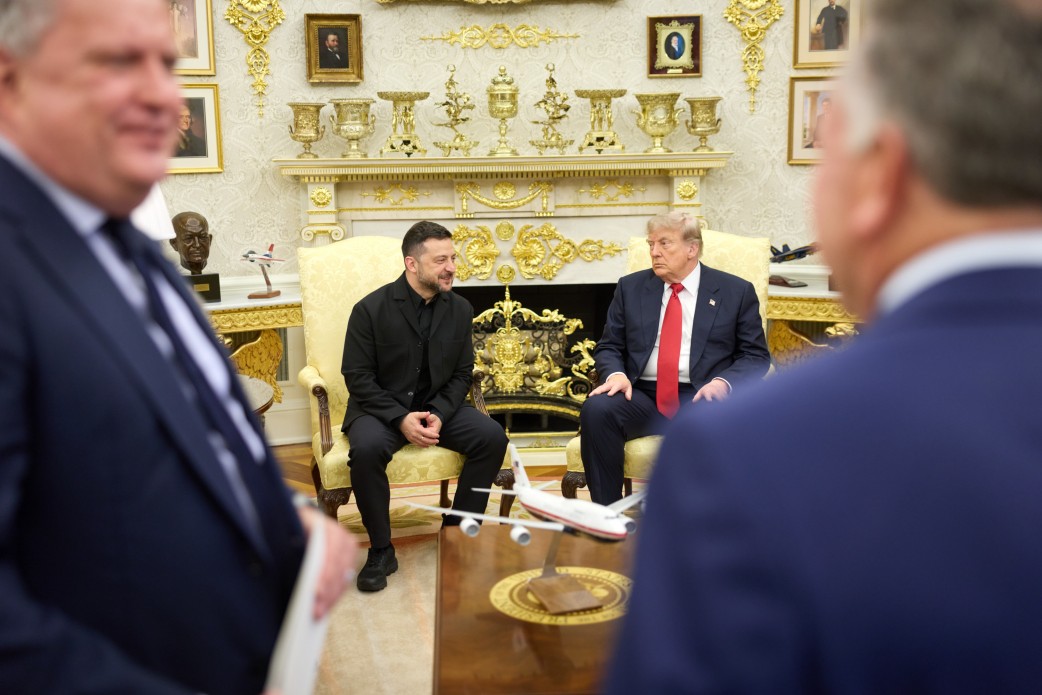
Ukrainian President Volodymyr Zelensky met with U.S. President Donald Trump in what many analysts are now calling the most successful diplomatic engagement between the two leaders since Trump’s return to the White House. The meeting, which took place amid heightened tensions surrounding the ongoing conflict with Russia, demonstrated a notable shift in tone and substance compared to previous encounters that had been marked by public disagreements and diplomatic friction. The outcome suggests a potential recalibration of U.S.-Ukraine relations at a critical juncture in the war.
The significance of this meeting cannot be overstated given the troubled history between the two presidents. Their relationship has been characterized by public disputes, most notably the controversial February incident when Trump publicly criticized Zelensky during an Oval Office meeting, leading to an abrupt end to negotiations. That encounter sent shockwaves through the international community and raised serious questions about the future of American support for Ukraine. The contrast between that confrontation and the recent meeting represents a remarkable diplomatic turnaround that has captured the attention of foreign policy experts worldwide.
The Role of Senator Lindsey Graham
Central to the improved dynamics was the involvement of Senator Lindsey Graham, a Republican from South Carolina who has been one of the most consistent advocates for Ukraine within the GOP. Graham’s role in facilitating the meeting and helping to bridge the gap between the two leaders proved instrumental. Sources close to the negotiations describe Graham’s intervention as a “testament” to his commitment to maintaining the U.S.-Ukraine alliance. The senator has long argued that supporting Ukraine serves American strategic interests by weakening Russia without putting American troops in harm’s way, a message that appears to have resonated with the Trump administration’s pragmatic approach to foreign policy.
Graham’s influence extends beyond mere facilitation. He has worked tirelessly to build coalitions within Congress to ensure continued military and economic assistance to Kyiv. His efforts have included multiple trips to Ukraine, direct conversations with Ukrainian military commanders, and consistent public advocacy that has helped shape Republican discourse on the conflict. Political analysts note that Graham represents a crucial link between traditional Republican foreign policy hawks and the more isolationist tendencies that have gained traction within the party in recent years.
Controversial Presence and Ukrainian Technologies
The meeting was not without its controversial elements. Laura Loomer, a far-right activist and political commentator known for her provocative statements, was reportedly present at certain points during the diplomatic visit. Her presence raised eyebrows among State Department officials and diplomatic observers, though the White House did not provide specific details about her role or the nature of her involvement. Critics have questioned the appropriateness of her attendance at such a high-stakes diplomatic engagement, while supporters argue that the Trump administration’s unconventional approach to staffing and access reflects a broader rejection of traditional Washington protocols.
A substantial portion of the discussions focused on Ukrainian technological capabilities, particularly in the defense sector. Ukraine has emerged as a global leader in drone warfare innovation, with its military developing and deploying unmanned systems that have proven highly effective against Russian forces. These technologies have attracted significant interest from defense establishments worldwide, and the meeting reportedly included discussions about potential technology-sharing arrangements and joint development initiatives. Ukrainian defense manufacturers have demonstrated remarkable adaptability, creating low-cost solutions that have disrupted traditional military doctrines and attracted attention from NATO allies seeking to modernize their own capabilities.
Strategic Implications and Future Outlook
The successful meeting carries significant implications for the trajectory of the war and broader geopolitical dynamics. With Russia continuing its offensive operations in eastern Ukraine, Kyiv desperately needs sustained Western support to maintain its defensive capabilities and any potential leverage in future negotiations. The warming of Trump-Zelensky relations could translate into continued military assistance, though the specific commitments made during the meeting remain classified. European allies, who have watched U.S.-Ukraine relations with growing concern, will likely view this development as a positive signal of American engagement, even as questions persist about the long-term sustainability of Western unity.
The meeting also comes at a critical moment in domestic American politics, with the Trump administration navigating complex pressures from various factions within the Republican Party. Some members advocate for immediate peace negotiations at almost any cost, while others insist on maintaining support for Ukraine until Russian forces withdraw. The outcome of this diplomatic engagement suggests that the administration is charting a middle course, seeking to maintain the alliance while potentially preparing the ground for eventual negotiations. As the conflict approaches another anniversary with no end in sight, the relationship between Washington and Kyiv will continue to be one of the most consequential factors in determining the war’s ultimate resolution.
Expert Opinion: This meeting represents a significant diplomatic reset that could stabilize U.S.-Ukraine relations for the foreseeable future. The involvement of establishment Republicans like Graham suggests the administration is seeking to balance populist skepticism of foreign entanglements with traditional strategic interests. However, the true test will come in the form of concrete policy decisions — sustained military aid, sanctions enforcement, and diplomatic backing — that demonstrate whether this improved tone translates into substantive support during the critical months ahead.