Dmytro Borzykh, a former deputy chief military prosecutor of Ukraine who is currently under investigation by the National Anti-Corruption Bureau of Ukraine (NABU), has initiated legal proceedings against the prominent Ukrainian publication ZN.UA. The lawsuit stems from an article published more than a year ago, raising questions about potential attempts to silence investigative journalism during wartime. The case highlights the ongoing tensions between anti-corruption efforts and press freedom in Ukraine as the country continues to fight for its survival while simultaneously battling internal corruption.
The decision by Borzykh to pursue legal action against journalists comes at a particularly sensitive time for Ukraine, which has been working to demonstrate its commitment to fighting corruption as part of its European Union accession process. Western partners and international organizations have repeatedly emphasized that combating corruption remains a key prerequisite for Ukraine’s integration into European structures. The lawsuit against ZN.UA, one of Ukraine’s most respected analytical publications known for its investigative reporting, has drawn attention from media freedom advocates and anti-corruption watchdogs alike.
Background of the NABU Investigation
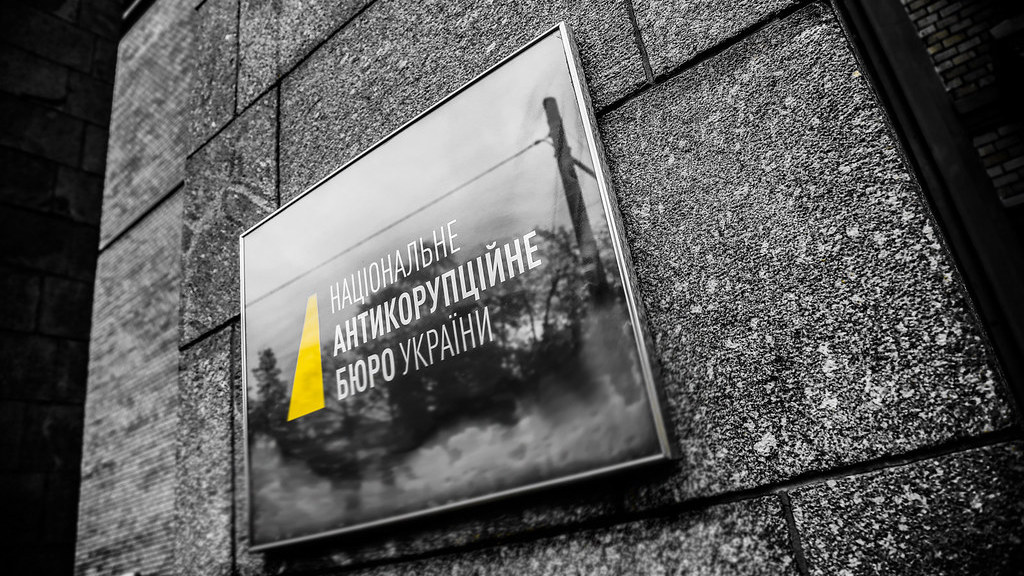
The National Anti-Corruption Bureau of Ukraine, established in 2015 as part of comprehensive judicial reforms, has been investigating cases involving high-ranking officials in the military prosecution system. NABU was created with significant support from Western partners, particularly the United States and European Union, to tackle systemic corruption at the highest levels of Ukrainian government and state institutions. The bureau operates independently and has the authority to investigate corruption cases involving officials whose positions carry significant responsibility and influence.
Borzykh’s case represents one of several high-profile investigations into potential misconduct within Ukraine’s military justice system. The military prosecutor’s office plays a crucial role in maintaining discipline and investigating crimes within the armed forces, making any allegations of corruption particularly serious during an active military conflict. Since Russia’s full-scale invasion began in February 2022, the importance of maintaining integrity within military institutions has become even more critical, as billions of dollars in international military aid flow through various Ukrainian government channels.
Press Freedom and Legal Challenges in Wartime Ukraine
The lawsuit against ZN.UA raises broader concerns about press freedom in Ukraine during wartime conditions. While Ukraine has generally maintained a free press environment despite the ongoing conflict, journalists and media organizations have faced increasing pressure from various directions. Legal actions against publications, often referred to as strategic lawsuits against public participation (SLAPP suits), have been used in various countries to intimidate journalists and discourage investigative reporting on sensitive topics.
ZN.UA, formerly known as Zerkalo Nedeli (Mirror Weekly), has a long history of investigative journalism in Ukraine, frequently publishing detailed reports on corruption, government misconduct, and issues of public interest. The publication has earned a reputation for rigorous fact-checking and in-depth analysis, making it a trusted source for both domestic and international audiences seeking to understand developments in Ukraine. Media experts note that lawsuits targeting such established publications can have a chilling effect on journalism more broadly, potentially discouraging other outlets from pursuing similar investigative work.
Implications for Ukraine’s Anti-Corruption Efforts
The case unfolds against the backdrop of Ukraine’s intensified efforts to meet European Union membership requirements. EU officials have consistently emphasized that judicial reform and anti-corruption measures are essential benchmarks for Ukraine’s accession process. The European Commission’s progress reports have noted both achievements and areas requiring further improvement in Ukraine’s fight against corruption, particularly regarding high-level cases involving government officials.
International observers will likely monitor this case closely as an indicator of Ukraine’s commitment to both anti-corruption principles and press freedom. The outcome could have implications beyond the immediate parties involved, potentially affecting perceptions of Ukraine’s reform trajectory among its international partners. As Ukraine continues to receive substantial financial and military support from Western allies, maintaining credibility in the fight against corruption remains essential for sustaining that support over the long term.
Expert Opinion: This case exemplifies the complex intersection of anti-corruption enforcement, press freedom, and institutional accountability that Ukraine must navigate during wartime. The willingness of officials under investigation to pursue legal action against journalists could be viewed as an attempt to redirect attention from substantive allegations, a tactic commonly observed in countries with developing democratic institutions. The international community should watch closely how Ukrainian courts handle this matter, as it will serve as a bellwether for the country’s commitment to protecting investigative journalism while pursuing genuine anti-corruption reforms.