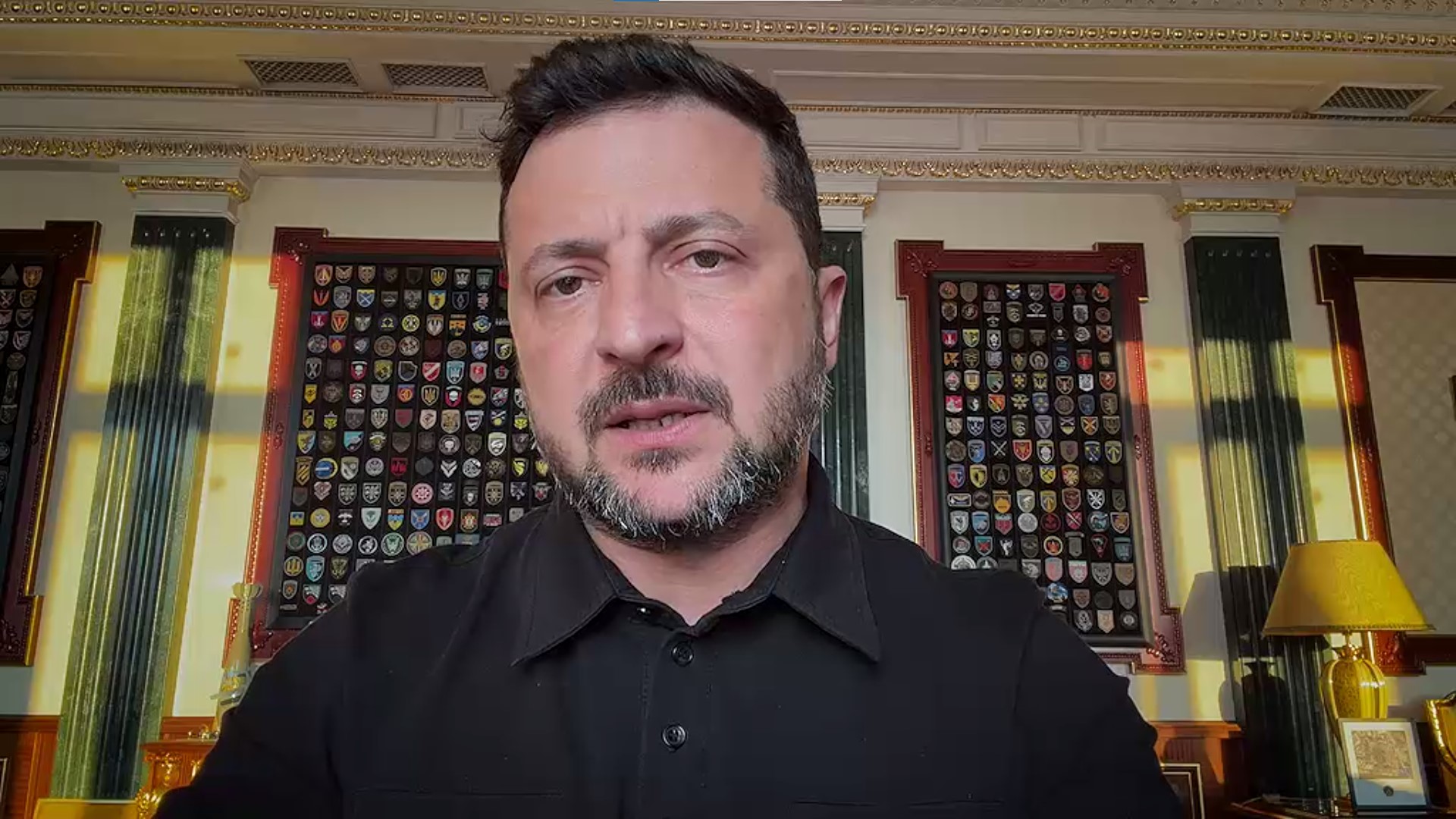
Ukrainian President Volodymyr Zelensky has engaged in significant discussions with former Digital Transformation Minister Mykhailo Fedorov and Commander-in-Chief of the Armed Forces Oleksandr Syrskyi, addressing growing public concerns about the country’s direction during wartime. The conversations come at a critical moment when Ukrainian society has been increasingly vocal about various aspects of governance, military strategy, and the overall management of the ongoing conflict with Russia. President Zelensky emphasized that he is actively listening to the concerns of Ukrainian citizens, while Fedorov expressed gratitude to the public for maintaining hope during these challenging times.
The Context Behind the High-Level Discussions
The dialogue between Ukraine’s top leadership comes against the backdrop of mounting public discourse about the country’s wartime policies and future direction. Mykhailo Fedorov, who served as one of the youngest ministers in Ukrainian history when he took charge of the Ministry of Digital Transformation at age 29, has been a prominent figure in Ukraine’s digital revolution. Under his leadership, Ukraine became a pioneer in digital government services, launching the Diia app that allowed citizens to access over 120 government services digitally. His involvement in these discussions suggests that communication and transparency with the public remain priorities for the Ukrainian government.
Commander-in-Chief Oleksandr Syrskyi, who assumed his position in February 2024, has faced the enormous challenge of leading Ukrainian forces during one of the most difficult periods of the war. His participation in these talks indicates that military leadership is also engaged in addressing public concerns about the conduct of the conflict. The Ukrainian military has faced significant challenges, including ammunition shortages and the need to maintain defensive positions across an extensive front line stretching over 1,000 kilometers.
Public Engagement and Government Response
President Zelensky’s statement that he is listening to society reflects an understanding of the importance of maintaining public trust during extended wartime conditions. Ukraine has now been defending itself against full-scale Russian aggression for over three years, and the strain on both military personnel and civilians has been immense. The country has seen significant debates about mobilization policies, economic management, and the balance between security measures and civil liberties. Fedorov’s message thanking people “for hope” acknowledges the resilience of Ukrainian society while also recognizing the legitimate concerns that citizens have raised.
The importance of dialogue between government officials and the public cannot be overstated in a democratic nation at war. Historical precedents show that maintaining civilian morale and trust in leadership is crucial for sustaining long-term defense efforts. Ukraine’s ability to resist Russian aggression has been built not only on military capabilities but also on the unity and determination of its people. This unity requires constant nurturing through transparent communication and responsive governance.
Looking Forward: Challenges and Expectations
These discussions signal that Ukrainian leadership recognizes the need for continued engagement with civil society as the war enters its fourth year. The challenges ahead remain formidable, including securing continued international support, managing economic pressures, and maintaining military effectiveness. Western allies have provided unprecedented support, with military and financial aid packages totaling over $200 billion since the full-scale invasion began. However, questions about the sustainability of this support and the path toward a resolution of the conflict remain central to public discourse.
The confirmation from Fedorov that dialogue is ongoing provides some reassurance to citizens who have been seeking greater engagement from their leaders. As Ukraine continues to navigate the complexities of defending its sovereignty while managing domestic governance, the ability to maintain open channels of communication between leadership and the public will be essential. The coming months will likely reveal whether these discussions translate into concrete policy adjustments or enhanced transparency measures that address the concerns raised by Ukrainian society.
Expert Opinion: The timing of these high-level discussions suggests Ukrainian leadership is recalibrating its approach to public communication as war fatigue becomes a more pressing concern. Successfully maintaining domestic unity while managing expectations about the conflict’s trajectory will likely determine Ukraine’s ability to sustain its defense effort through 2025 and beyond. The involvement of both civilian and military leadership indicates a coordinated effort to present a unified response to societal concerns.