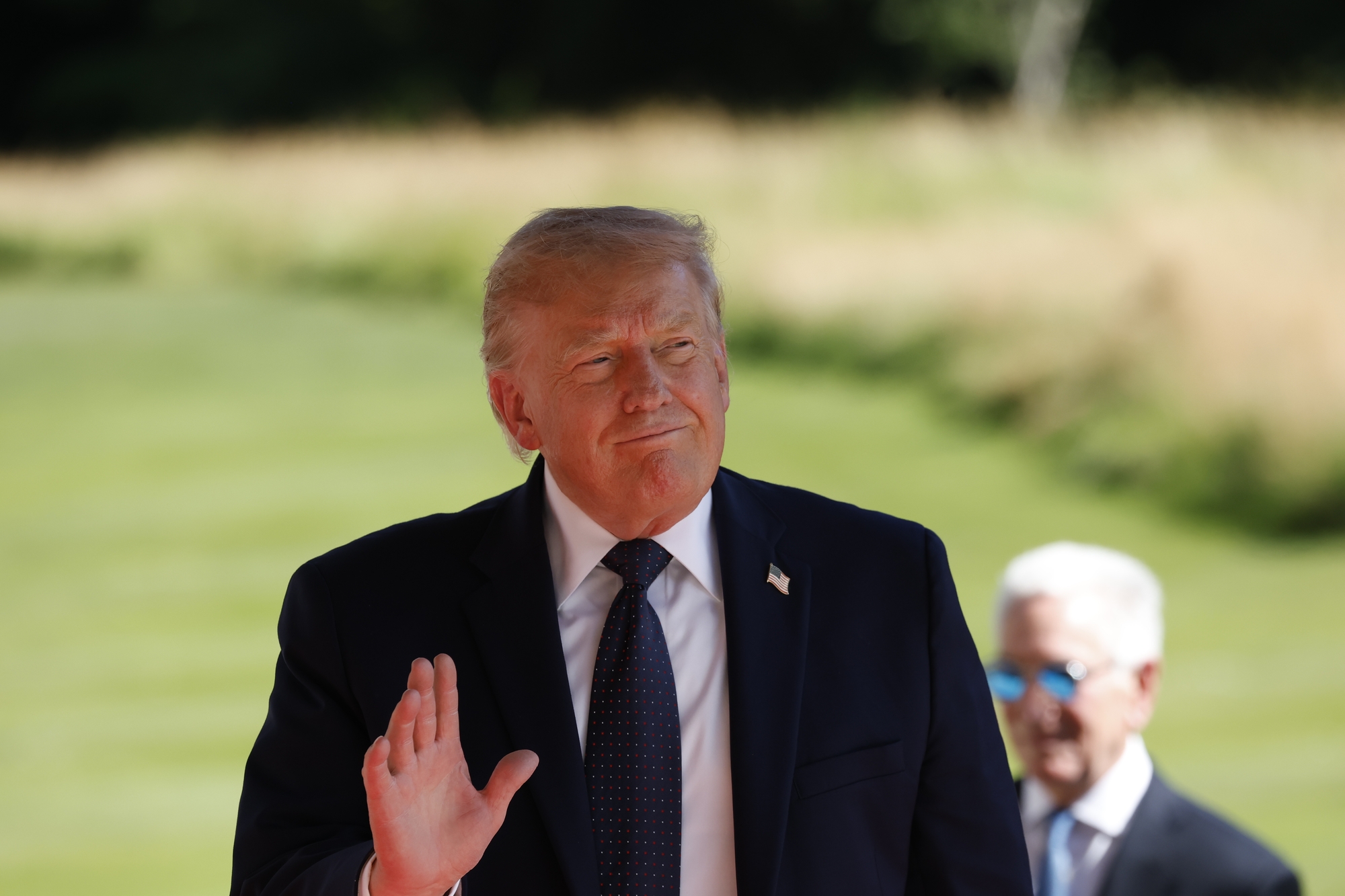
In a significant development in U.S. foreign policy, President Donald Trump has signaled his willingness to support stringent sanctions against Russia, backing legislation that has been actively promoted by Senator Lindsey Graham. This move marks a potential shift in the administration’s approach to Moscow and could have far-reaching implications for U.S.-Russia relations and the ongoing conflict in Ukraine. The announcement comes amid intensified diplomatic efforts to bring an end to the war in Eastern Europe, with Washington seeking to leverage economic pressure as a key negotiating tool.
The Graham Sanctions Initiative
Senator Lindsey Graham, the Republican from South Carolina, has been one of the most vocal proponents of maintaining and strengthening pressure on the Kremlin. The proposed legislation aims to impose comprehensive restrictions on Russia’s economy, targeting key sectors including energy exports, banking, and defense industries. Graham has argued that only through substantial economic consequences can the United States effectively influence Russian behavior and bring about a resolution to the conflict in Ukraine. The senator’s persistent advocacy for this approach represents a continuation of the traditional Republican hawkish stance on Russia that dominated party policy for decades during and after the Cold War.
The sanctions package under consideration would reportedly go beyond existing measures, potentially affecting Russia’s ability to conduct international financial transactions and limiting the country’s revenue from oil and gas exports. Such measures could severely impact Russia’s war-funding capabilities, as energy exports constitute a significant portion of the federal budget. Industry analysts have noted that comprehensive energy sanctions could reduce Russian government revenue by tens of billions of dollars annually, though implementation would require careful coordination with European allies who remain dependent on Russian natural gas.
Historical Context of U.S.-Russia Sanctions
The United States has employed economic sanctions as a foreign policy tool against Russia since the annexation of Crimea in 2014. The Obama administration initially imposed targeted sanctions on Russian individuals and entities, which were subsequently expanded following evidence of Russian interference in the 2016 U.S. presidential election. The Biden administration further escalated these measures after Russia’s full-scale invasion of Ukraine in February 2022, implementing unprecedented restrictions that froze Russian central bank assets and cut major Russian banks off from the SWIFT international payment system. Despite these efforts, Russia has demonstrated resilience, finding alternative markets for its exports and developing workarounds for financial transactions through countries like China, India, and Turkey.
Trump’s relationship with Russia has been a subject of intense scrutiny throughout his political career. During his first term, he faced persistent questions about his approach to Vladimir Putin, with critics arguing he was too accommodating to Moscow while supporters maintained he was pursuing pragmatic diplomacy. His current willingness to back tough sanctions represents a notable positioning as he navigates complex negotiations aimed at ending the Ukraine conflict. Administration officials have suggested that the threat of enhanced sanctions serves as leverage in ongoing diplomatic discussions, creating incentives for Russian cooperation in peace talks.
Implications for International Relations
The potential implementation of stricter sanctions against Russia carries significant implications for global geopolitics and international trade. European allies, who have borne substantial economic costs from existing sanctions while reducing their dependence on Russian energy, are closely watching Washington’s moves. The European Union has implemented its own comprehensive sanctions packages, but coordination between American and European measures remains crucial for maximizing their effectiveness. Any new U.S. sanctions would likely require diplomatic consultations to ensure alignment and prevent unintended consequences for allied economies.
The Russian government has consistently denounced Western sanctions as illegal economic warfare and has threatened retaliatory measures. Moscow has accelerated efforts to develop alternative economic partnerships, particularly with China and other BRICS nations, in an attempt to insulate its economy from Western pressure. Economists remain divided on the long-term effectiveness of sanctions, with some arguing they have failed to change Russian policy while others contend they have significantly constrained Moscow’s military capabilities and economic growth potential. The debate continues over whether additional measures would produce different results or simply deepen the economic divide between Russia and the West without achieving stated policy objectives.
Expert Opinion: The convergence of Trump’s negotiating strategy with Graham’s hawkish sanctions approach suggests a calculated good cop, bad cop dynamic designed to maximize U.S. leverage over Moscow. If implemented, these enhanced sanctions could either accelerate peace negotiations by raising the economic stakes for Russia, or alternatively, harden Kremlin resistance and push Moscow further into economic alliance with China. The coming months will reveal whether this pressure-based approach yields diplomatic breakthroughs or simply entrenches existing battle lines in what has become the largest European conflict since World War II.