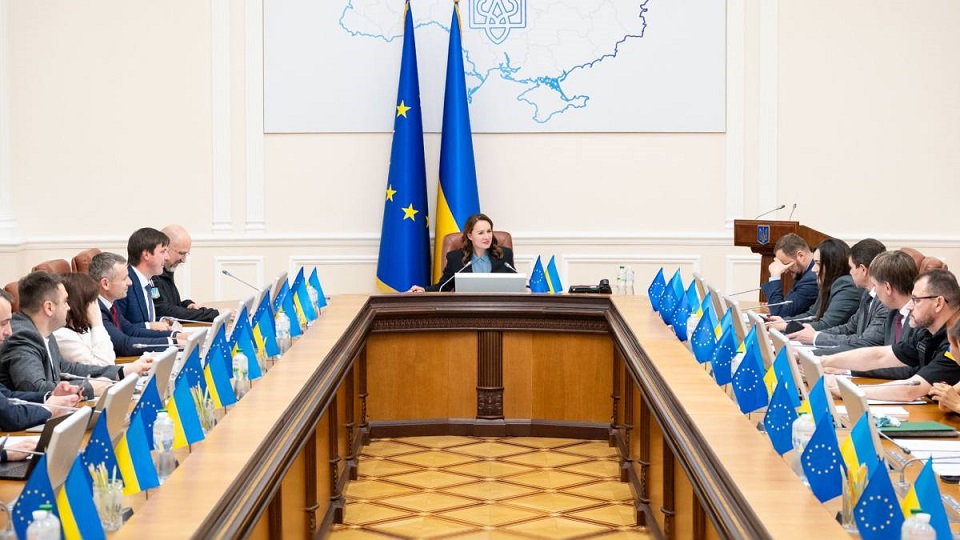
As Ukraine prepares for a potential government reshuffle, sources close to LIGA.net have revealed that six current cabinet ministers are likely to retain their positions in any new government formation. This news comes amid ongoing speculation about the future composition of Ukraine’s executive branch, as the country continues to navigate the complex challenges of wartime governance while maintaining international partnerships and domestic stability.
The potential cabinet changes reflect the delicate balancing act facing Ukrainian leadership, which must weigh political considerations against the practical necessity of maintaining experienced officials in key positions during an extraordinarily challenging period. Government reshuffles in Ukraine have historically been significant events, often signaling shifts in policy priorities or responses to public pressure for accountability and reform.
Ministers Expected to Stay in Office
According to multiple sources familiar with the deliberations, the ministers most likely to retain their positions are those who have demonstrated strong performance in their respective portfolios and maintain good working relationships with both the presidential office and parliamentary factions. These officials have reportedly built reputations for effective management during the ongoing crisis, making their potential replacement both risky and politically complicated.
The continuity of certain ministerial positions is particularly important given Ukraine’s current circumstances. Ministers responsible for defense coordination, international relations, and economic management have accumulated invaluable experience and established crucial relationships with foreign counterparts. Replacing them during active hostilities could potentially disrupt critical processes and partnerships that have been painstakingly built over the past years.
Potential Changes and Political Dynamics
While some ministers appear secure in their positions, others face an uncertain future as discussions about government efficiency and accountability continue. Sources indicate that several portfolios may see new leadership, particularly in areas where performance has been criticized or where fresh approaches are deemed necessary. The selection process for any new ministers will likely involve careful consideration of professional competence, political loyalty, and the ability to work effectively within Ukraine’s current governance framework.
Ukrainian government reshuffles require parliamentary approval, adding another layer of complexity to any planned changes. The Verkhovna Rada, Ukraine’s parliament, must vote on both dismissals and appointments of cabinet members, meaning that any significant changes will need to secure sufficient legislative support. This parliamentary dimension often leads to negotiations between various political factions and can result in compromises that affect the final composition of any new government.
Historical Context and International Implications
Government stability has been a recurring challenge for Ukraine since its independence in 1991. The country has experienced numerous cabinet reshuffles and complete government changes over the decades, sometimes resulting in policy inconsistencies and institutional instability. The current approach of selective changes rather than wholesale government replacement suggests a more measured strategy aimed at addressing specific concerns while maintaining overall governmental continuity.
International partners, particularly Western allies providing substantial military and economic support, closely monitor Ukrainian government composition and stability. Continuity in key ministries can reassure foreign governments and institutions about the reliability of ongoing cooperation programs and reform commitments. Any changes will likely be scrutinized for their potential impact on Ukraine’s Euro-Atlantic integration aspirations and its implementation of reforms required for continued international support and eventual European Union membership.
The coming weeks will be crucial in determining the final shape of any government changes. Political observers note that timing considerations, including ongoing military operations and upcoming international engagements, may influence both the scope and schedule of any reshuffle. Whatever the ultimate outcome, the reported retention of six ministers suggests that Ukrainian leadership is prioritizing stability and experience in key positions while remaining open to targeted changes where they are deemed necessary for improved governance.
Expert Opinion: The selective approach to cabinet changes indicates Ukrainian leadership’s recognition that wholesale government reshuffles during wartime carry significant risks. By retaining experienced ministers in critical portfolios while potentially refreshing other positions, Kyiv appears to be pursuing a pragmatic balance between accountability demands and operational continuity. This strategy may also be designed to reassure international partners that reform commitments and established cooperation frameworks will remain intact despite any personnel changes.