
Former Ukrainian Foreign Minister Pavlo Klimkin has issued a stark warning that the ongoing corruption scandal engulfing the Office of the President poses serious risks to Ukraine’s standing both domestically and internationally. According to Klimkin, the investigations being conducted by the National Anti-Corruption Bureau of Ukraine (NABU) are fundamentally reshaping how Ukrainian society and the country’s Western partners perceive the current administration’s commitment to transparency and rule of law. At a time when Ukraine desperately needs unified international support amid its ongoing conflict with Russia, allegations of high-level corruption threaten to undermine the trust that Kyiv has worked so hard to build with its allies.
The former diplomat, who served as Ukraine’s top diplomat from 2014 to 2019 during a critical period that included the Crimean annexation and the outbreak of conflict in eastern Ukraine, emphasized that corruption scandals at the highest levels of government create multiple vulnerabilities. These range from weakening public morale during wartime to potentially jeopardizing the flow of international military and financial assistance that Ukraine relies upon for its defense and economic survival. Western governments, particularly those in the European Union and the United States, have consistently made anti-corruption reforms a prerequisite for continued support.
The Weight of International Expectations
Ukraine’s path toward European integration has always been inextricably linked to its ability to combat endemic corruption. The European Union granted Ukraine candidate status in June 2022, but this historic decision came with explicit conditions requiring sustained progress on judicial reform and anti-corruption measures. The current scandal involving the Presidential Office threatens to complicate these negotiations and could potentially delay Ukraine’s EU accession timeline. European officials have repeatedly emphasized that membership requires not just legislative changes but a demonstrable cultural shift in how government institutions operate.
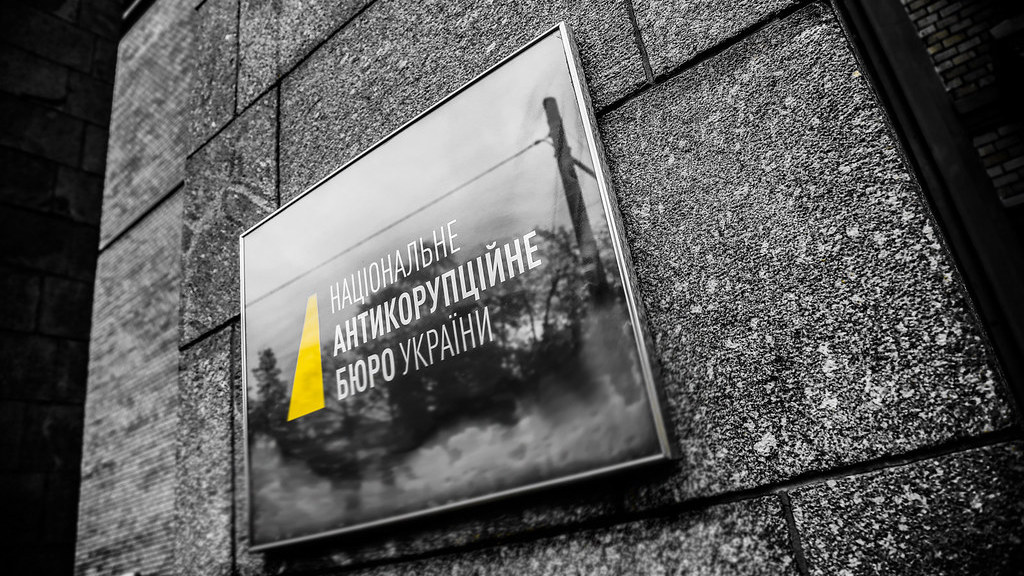
The National Anti-Corruption Bureau of Ukraine, established in 2015 with significant Western support and technical assistance, has emerged as a critical institution in the country’s reform landscape. NABU operates with a degree of independence designed to insulate it from political interference, and its willingness to investigate powerful figures regardless of their political connections is seen as a litmus test for Ukraine’s anti-corruption credentials. The bureau’s current investigations into the Presidential Office demonstrate both its independence and the ongoing challenges Ukraine faces in rooting out graft at the highest levels of power.
Historical Context of Corruption Challenges
Ukraine’s struggle with corruption predates the current administration and has been a defining challenge since independence in 1991. The 2014 Maidan Revolution was driven in large part by public outrage over corruption under President Viktor Yanukovych, who fled the country amid allegations of massive theft of state resources. Subsequent administrations have made varying degrees of progress on reform, but critics argue that deeply entrenched networks of patronage and graft have proven remarkably resilient. Each new scandal reinforces skepticism among ordinary Ukrainians who question whether genuine change is possible.
The timing of the current scandal is particularly problematic for President Volodymyr Zelensky’s administration. With Ukraine engaged in an existential struggle against Russian aggression, maintaining cohesive international support is paramount. Western governments have allocated billions of dollars in military and humanitarian assistance, but domestic political pressures in donor countries mean that evidence of corruption can fuel arguments against continued aid. Congressional debates in the United States, for instance, have featured concerns about oversight and accountability for Ukrainian assistance, making transparency failures politically damaging beyond Ukraine’s borders.
Implications for Ukraine’s Future
Klimkin’s warning reflects a broader understanding among Ukrainian foreign policy veterans that the country’s international reputation serves as strategic asset during wartime. Trust built through transparent governance and institutional reform translates directly into diplomatic support, weapons deliveries, and economic assistance. Conversely, corruption scandals provide ammunition to those who argue that Ukraine is not ready for Western integration or deserving of continued sacrifice by allied nations. The stakes extend far beyond any single investigation to encompass Ukraine’s fundamental relationship with the democratic world.
As NABU continues its work, the response of Ukrainian authorities will be closely watched by international observers. How the government handles allegations, whether it allows independent investigations to proceed without interference, and what accountability measures follow will all serve as indicators of Ukraine’s institutional maturity. The coming months will likely prove decisive in determining whether this scandal becomes a catalyst for genuine reform or another chapter in Ukraine’s troubled history with high-level corruption.
Expert Opinion: The intersection of wartime pressures and corruption allegations creates a uniquely dangerous situation for Ukraine’s leadership. International fatigue with the conflict is already a growing concern, and any perception that Ukrainian officials are misusing Western assistance could accelerate this trend. However, if Kyiv demonstrates genuine accountability by allowing investigations to proceed transparently and implementing meaningful consequences, this crisis could paradoxically strengthen Ukraine’s credibility with partners who prioritize institutional integrity over political convenience.