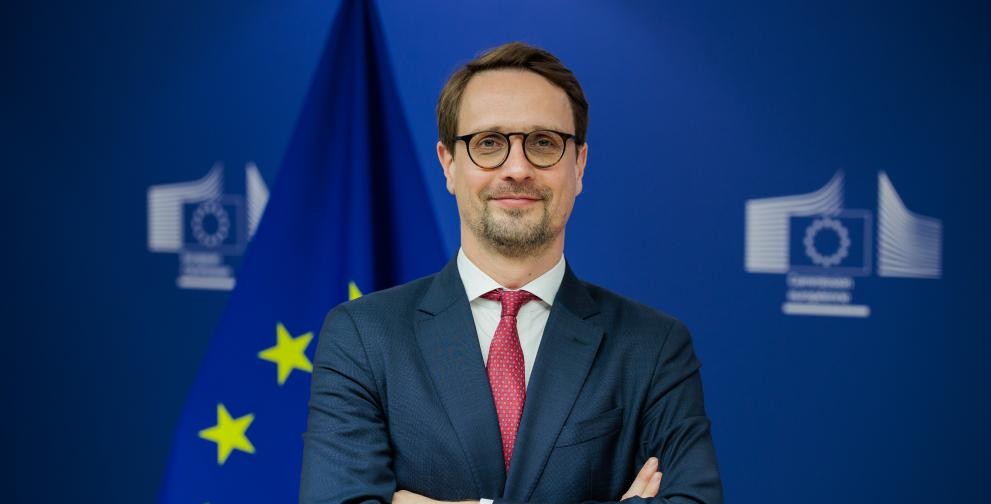
The European Council’s decision on temporary protection for Ukrainian citizens makes no distinction between men and women, according to Markus Lammert, a spokesperson for the European Commission. This clarification comes amid ongoing discussions about the status of Ukrainian refugees across the European Union and addresses concerns that have emerged regarding gender-based differences in protection eligibility. The statement provides important reassurance to the millions of Ukrainians who have sought refuge in EU member states since the beginning of Russia’s full-scale invasion in February 2022.
Ukrainian authorities are advising their citizens abroad to ensure they obtain proper documentation stamps to validate their protected status within the EU. This administrative step is considered crucial for maintaining legal standing and accessing the full range of benefits available under the temporary protection framework. The recommendation reflects Kyiv’s ongoing efforts to support its diaspora while navigating the complex bureaucratic requirements of European asylum systems.
Understanding the EU Temporary Protection Directive
The Temporary Protection Directive, activated for the first time in March 2022, represents a historic moment in European migration policy. This emergency mechanism was designed to provide immediate and collective protection to displaced persons without requiring them to go through individual asylum application processes. Under this framework, Ukrainians are entitled to residence permits, access to employment, housing, social welfare, medical care, and education throughout participating EU member states. The directive was initially set to expire in March 2025 but has been subject to ongoing discussions about extensions and modifications.
Since the beginning of the conflict, approximately eight million Ukrainians have registered for temporary protection across Europe, making this the largest refugee movement in Europe since World War II. Poland, Germany, and the Czech Republic have absorbed the highest numbers of Ukrainian refugees, with these countries implementing various integration programs to help newcomers adapt to their new environments. The scale of this displacement has tested European solidarity and infrastructure, prompting both praise for the humanitarian response and criticism regarding inconsistencies in implementation across different member states.
Gender Considerations and Legal Clarifications
The clarification regarding gender-neutral protection rules addresses a sensitive topic given Ukraine’s martial law restrictions on men of military age leaving the country. While Ukrainian law generally prohibits men aged 18 to 60 from departing during wartime, those who managed to leave before these restrictions were implemented or who obtained legal exemptions are entitled to the same EU protections as women and children. The European Commission’s statement confirms that once Ukrainians are within EU territory, their gender does not affect their eligibility for temporary protection status.
This distinction is particularly important as debates continue about the duration and scope of protection measures. Some EU member states have begun discussions about potential changes to the temporary protection framework, including considerations about encouraging voluntary returns and adjusting benefit levels. The reassurance that protection applies equally regardless of gender helps maintain consistency in the EU’s approach and prevents potential discrimination in member state implementations of the directive.
Practical Steps for Ukrainian Refugees
The Ukrainian government’s advice to obtain proper documentation stamps reflects the practical realities of navigating European bureaucracy. These stamps serve as official verification of an individual’s protected status and can be essential when accessing services, seeking employment, or traveling within the Schengen area. Without proper documentation, refugees may face difficulties in proving their legal status to employers, landlords, or public service providers.
Experts recommend that Ukrainian refugees maintain comprehensive records of their documentation and regularly check for updates on their protection status. Many EU countries have established dedicated service centers and online portals to assist Ukrainians with registration and documentation processes. Civil society organizations and volunteer networks continue to play crucial roles in helping refugees navigate these administrative requirements, particularly those who face language barriers or lack access to digital resources.
Expert Opinion: The European Commission’s clarification on gender-neutral protection represents an important legal safeguard against potential fragmentation of refugee policies across member states. As the temporary protection framework approaches key renewal decisions in 2025, maintaining consistent standards will be essential for both refugee welfare and European unity. The coming months will likely see intensified negotiations about the future of Ukrainian refugee status, with outcomes significantly impacting millions of displaced persons.